By Colin Foster
Updated November 2026
Riders who run an apidura frame pack hydration bladder want a reservoir that fits a bikepacking setup, drinks cleanly at speed, and can be refilled without fuss. This guide compares three reservoirs from well-known hydration brands that are commonly used in frame bags and pack layouts. We judged each option on capacity, bite valve design, bladder shape and size, how easily it fits a frame pack or any other frame-mounted compartment, and the feedback owners most often report about leaks and cleaning. No product here was lab tested or personally trialed; the comparisons come from manufacturer specifications and recurring owner feedback patterns.
Our top picks at a glance
- 1
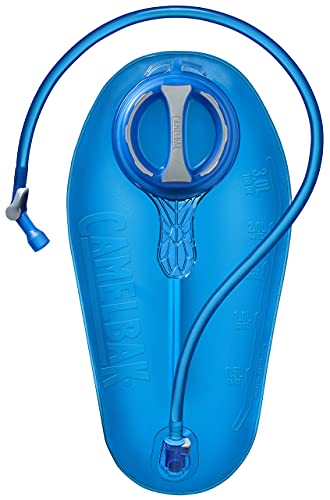 TOP CHOICEBest overallCamelBak Crux 3L Hydration Reservoir, High Flow Water Bladder with LeaView on Amazon
- 2
 Best for a mid-size frame packOsprey Hydraulics LT 2.5L Water Reservoir with Bite Valve for BackpackView on Amazon
- 3
 Best for compact frame bagsOsprey Hydraulics 2L Backpack Water Reservoir with Bite Valve | hydratView on Amazon
Our Top Picks
Quick Comparison
| Product | Best for | Key feature |
|---|---|---|
| CamelBak Crux 3L Hydration Reservoir | Long rides and high-volume water carry | High-flow design with a leak-resistant cap |
| Osprey Hydraulics LT 2.5L Water Reservoir | Mid-length rides with a mid-size frame pack | Balanced 2.5L capacity with a bite valve |
| Osprey Hydraulics 2L Backpack Water Reservoir | Compact frame bags and shorter outings | Slim 2L profile that fits tight spaces |
CamelBak Crux 3L Hydration Reservoir, High Flow Water Bladder with Leak Resistant Cap for Hiking Biking and Outdoor Use, 100oz, Blue
CamelBak Crux 3L Hydration Reservoir, High Flow Water Bladder with Leak Resistant Cap for Hiking Biking and Outdoor Use, 100oz, Blue
Best for: Long rides and high-volume water carry
This is the pick for riders who need the most water per bag space and want a high-flow bite valve that keeps up on climbs and in warm weather. It suits riders who plan longer days between water sources.
Key specs
- Capacity: 3 liters (100 oz)
- Leak-resistant cap and high-flow drink tube
- Designed for hiking, biking, and general outdoor use
- Color: blue
Pros
- Large capacity covers long stretches between refills
- High-flow valve makes drinking easier while pedaling
- Leak-resistant cap is a common point of praise in owner feedback
Cons
- Full 3-liter volume can be bulky to fit inside a small frame bag
- Heavier when full, which matters for weight-conscious setups
Bottom line: Choose this if your rides are long, your frame pack has room for a larger bladder, and you put water volume ahead of packed weight.
View on AmazonOsprey Hydraulics LT 2.5L Water Reservoir with Bite Valve for Backpacks | hydration reservoir, water bladder, biking hiking, Hydraulics reservoir, hydration pack, hydration bladder
Osprey Hydraulics LT 2.5L Water Reservoir with Bite Valve for Backpacks | hydration reservoir, water bladder, biking hiking, Hydraulics reservoir, hydration pack, hydration bladder
Best for: Mid-length rides with a mid-size frame pack
This reservoir sits in the middle of the range, offering a practical balance of capacity and packed size. It fits riders who want more water than a 2-liter bladder but do not need the full 3-liter volume.
Key specs
- Capacity: 2.5 liters
- Bite valve closure for drinking on the move
- Designed for backpacks, biking, and hiking use
Pros
- Good middle-ground capacity for typical day rides
- Fits a range of frame and pack compartments more easily than larger bladders
- Bite valve design is familiar to riders who already use Osprey packs
Cons
- Less water than the 3-liter option for long or hot days
- Owners sometimes mention that drying the bladder takes time, so plan for airflow
Bottom line: A sensible default for riders who want a versatile reservoir that works in a mid-size frame pack for most day rides.
View on AmazonOsprey Hydraulics 2L Backpack Water Reservoir with Bite Valve | hydration reservoir, water bladder, biking hiking, Hydraulics reservoir, hydration pack, hydration bladder
Osprey Hydraulics 2L Backpack Water Reservoir with Bite Valve | hydration reservoir, water bladder, biking hiking, Hydraulics reservoir, hydration pack, hydration bladder
Best for: Compact frame bags and shorter outings
This 2-liter reservoir is the most compact of the three. It suits riders with limited frame bag space, shorter loops, or setups where keeping weight and bulk low matters more than carrying a large reserve.
Key specs
- Capacity: 2 liters
- Bite valve closure
- Designed for backpacks, biking, and hiking use
Pros
- Slim footprint suits tight frame compartments
- Lighter when full than the larger options
- Easy to refill and carry for shorter rides
Cons
- Limited water volume means more frequent refills on long routes
- Not ideal for hot-weather rides where you need a larger reserve
Bottom line: The right choice for compact setups and shorter outings where space and weight are tighter constraints than water volume.
View on AmazonBuying Guide
Capacity
Estimate your water need before choosing a size. Many riders plan around roughly 0.5 to 1 liter per hour of riding in moderate conditions, with more in heat or on climbs. Divide your planned distance between water sources by that rate to find the volume you need. Your frame pack’s internal dimensions set the upper limit, so measure before you buy.
Good picks for this: CamelBak Crux 3L Hydration Reservoir, Osprey Hydraulics LT 2.5L Water Reservoir
Bite valve and flow
A high-flow valve lets you drink without stopping, which matters when climbing or riding technical trail. Check whether the bite valve closes securely, since an open valve in a frame bag can leak. Test the valve over a sink before your first ride.
Good picks for this: CamelBak Crux 3L Hydration Reservoir, Osprey Hydraulics 2L Backpack Water Reservoir
Size and fit
Compare the bladder’s folded and filled dimensions against your frame pack’s internal space. A bladder that bulges too far can rub against the top tube, cables, or your knees. Leave a few centimeters of clearance and make sure the drink tube can route cleanly to your mouth.
Good picks for this: Osprey Hydraulics 2L Backpack Water Reservoir, Osprey Hydraulics LT 2.5L Water Reservoir
Leak resistance
Leaks are the most common complaint in owner feedback for any hydration bladder. Look for a cap with a secure seal and check the connection points before riding. Fill the bladder with a little water and lay it flat for a few minutes to spot any seepage.
Good picks for this: CamelBak Crux 3L Hydration Reservoir, Osprey Hydraulics LT 2.5L Water Reservoir
Cleaning and drying
Bladders can grow mold if they stay damp. Rinse after every ride, use a mild soap or bladder cleaner occasionally, and hang the bladder open to air dry fully. A dedicated drying rack or a bladder dryer helps with narrow tubes and corners.
Good picks for this: Osprey Hydraulics LT 2.5L Water Reservoir, Osprey Hydraulics 2L Backpack Water Reservoir
Use case and durability
Think about how hard the bladder will be used. Frequent off-road riding puts more stress on seams and fittings than paved touring. Bladders with a reinforced design hold up better to repeated filling and vibration. Replace the bladder if you see cracks, persistent odor, or a valve that no longer seals.
Good picks for this: CamelBak Crux 3L Hydration Reservoir, Osprey Hydraulics LT 2.5L Water Reservoir
FAQ
Will any hydration bladder fit an apidura frame pack?
Not always. Frame packs have defined internal dimensions, so check the bladder’s filled size against the compartment before buying. Smaller bladders such as 2-liter models are more likely to fit than full 3-liter ones.
How much water should I carry on a bikepacking ride?
It depends on heat, effort, and distance between refill points. Many riders plan around roughly 0.5 to 1 liter per hour in moderate conditions. Adjust upward in hot weather and check local water sources before you set out.
How do I keep a hydration bladder from smelling?
Rinse it after every use, clean it periodically with a mild soap or bladder cleaner, and dry it completely with the cap open. Store it unfolded so air can circulate.
Can I use a hydration bladder in cold weather?
Water can freeze in the tube and valve in cold temperatures. Insulated tube sleeves help, and some riders carry the bladder inside the frame pack close to the body to slow freezing. Blow the water back into the bladder after each sip to clear the tube. If you want more background, see 6 Best MSR Low Profile Race Hydration Pack Options for Riders (2026).
How often should I replace a hydration bladder?
Replace it when you see cracks, leaks that persist after resealing, a lasting odor, or a valve that no longer closes properly. Regular cleaning extends service life considerably.
Is a bite valve better than a screw cap?
A bite valve lets you drink while riding without stopping, which is why it is common on bikepacking setups. A screw cap is simpler but requires more hands-on effort during the ride.
Conclusion
For the largest water volume and a high-flow valve on long rides, the CamelBak Crux 3L Hydration Reservoir is the strongest fit. For a balanced mid-size option in a typical frame pack, the Osprey Hydraulics LT 2.5L Water Reservoir covers most day rides. For tight frame bags and shorter outings where bulk and weight matter most, the Osprey Hydraulics 2L Backpack Water Reservoir is the practical choice. Measure your frame pack first, estimate your water need, and match the bladder to both.
Sources
- Product safety guidance and recall information relevant to consumer outdoor gear (cpsc.gov)
- Recommendations on safe drinking water and hydration during physical activity (cdc.gov)
- Guidance on food and water safety practices for outdoor activity (usda.gov)
Related reading
- Osprey Hydration Pack How to Clean: 6 Steps for a Fresh Bladder
- Hydration Pack No Bladder: How to Use a Water Bottle Setup on the Trail
- Hydration Pack Drying Rack: How to Dry Your Bladder and Tube Fast
- Hydration Pack Cleaning Brush: 6 Steps to a Fresh Bladder and Tube
- How to Wash Osprey Hydration Pack: 6 Steps for a Clean Bladder
About Colin Foster
Colin Foster is part of our editorial team and reviews and edits our backpacks & packing systems guides, checking product details against manufacturer specifications and owner feedback.