By Colin Foster
Updated November 2026
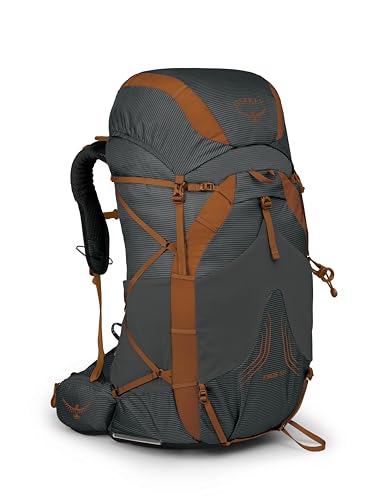
The Ozark Trail 35L Choteau daypack backpack is a mid-size pack meant for day hikes, errands with a lot of gear, and short overnight trips where you want to avoid carrying a full-size backpack. This guide walks you through checking whether the 35-liter capacity fits your trips, how to fit the pack to your torso, how to load it so the weight rides well, and what to look for before you buy. By the end, you should know whether this pack suits your body and your trail habits, and how to pack it so it stays comfortable for hours.
What the 35-liter size is actually good for
Volume numbers on backpacks are approximate and vary by manufacturer, so treat 35 liters as a rough guide to how much you can carry rather than an exact measurement. In practice, a pack in this range handles a full day of hiking with layers, food, water, a first-aid kit and a rain shell, and it can stretch to a single overnight if you carry a light sleep system and a compact stove. It is larger than a typical 20-liter daypack, so you will feel the temptation to fill it. That is the main thing to manage.
Shopping for one? See our guide: 5 Best Hiking Backpacks with Daypack Options for Trail Days (2026).
Before you commit, make a list of what you carry on your most common trip. Add up the volume of each item if you can estimate it. If your typical load falls between 15 and 25 liters, a 35-liter pack gives you room to spare without much extra bulk. If you regularly carry more than about 30 liters of gear, you may be better served by a larger hiking pack, and it is worth reading about bigger options before you decide. For another angle, check out Ozark Trail Kids Camping Airbed with Travel Bag: Setup and Packing Guide.
Typical day-hike load checklist
- Water: 1 to 2 liters, in a bottle or bladder
- Food: 1 day of snacks plus a lunch
- Insulating layer and rain shell
- Map, phone, headlamp and a basic first-aid kit
- Sun protection: hat, sunscreen, sunglasses
- Emergency items: fire starter, whistle, space blanket
Step 1: Check fit before anything else
Fit matters more than capacity. A pack that sits correctly on your hips and shoulders will feel lighter than a pack with better specs that rides badly. Manufacturers usually publish torso length ranges, and the single most useful measurement you can take is your torso length: the distance from the bony bump at the base of your neck (C7 vertebra) down to the top of your hip bones, measured with a flexible tape while you lean slightly forward.
Compare that number to the size range listed for the Choteau. If your torso falls near the edge of a range, check how the shoulder straps and hip belt adjust, because that adjustment can make up for small differences. If you are unsure, ask a fit specialist at an outdoor retailer to measure you, or confirm your measurement against the manufacturer’s sizing chart before buying. Call ahead to confirm stock or fitting availability at any store.
Quick fit checks you can do at home
- Load the pack to about 10 to 15 pounds using books or water bottles.
- Put it on and tighten the hip belt so the padding rests on your hip bones, not your waist.
- Tighten the shoulder straps until the load sits close to your back. The top of the shoulder straps should sit just above your shoulders.
- Adjust the load lifters (the small straps at the top of the shoulder straps) to pull the top of the pack toward you, usually about 45 degrees.
- Walk for five minutes. Note any pressure points, sliding or bouncing.
Step 2: Pack the Choteau so the weight rides well
Where you put things inside the pack changes how it feels more than almost any adjustment. Heavy items should sit close to your back and centered between your shoulder blades, roughly at the level of your mid-back. That keeps the center of gravity over your hips and stops the pack from pulling you backward. Lighter, bulky items like a sleeping bag or a puffy jacket can go at the bottom, and things you need during the day, such as rain gear, snacks and a map, should be easy to reach without unpacking everything.
Hydration reservoirs, if you use one, should sit in the sleeve closest to your back, with the hose routed through the designated port. Keep your water in a place where it will not leak onto electronics or food.
Packing order for a day hike
- Bottom: extra layers or a compressible sleeping bag if you are overnighting
- Middle, close to the back: food, cooking gear or any heavy items
- Top or outer pockets: rain shell, snacks, map, first-aid kit
- Hip belt pockets or side pockets: water bottle, sunscreen, phone
Step 3: Adjust the pack on the trail
A pack rarely feels perfect on the first try, and small changes during a hike are normal. Stop after the first 20 to 30 minutes and check whether the hip belt is carrying the weight. If your shoulders are sore, tighten the hip belt before the shoulder straps. If the pack bounces, tighten the compression straps on the sides to pull the load closer. Reassess at each rest stop instead of waiting until you are tired.
Common mistakes to avoid
- Overpacking because you have room. A 35-liter pack will hold more than you need on a short day. Start small and add only what the trip requires.
- Skipping the hip belt. Many people cinch the shoulder straps and leave the hip belt loose, which shifts the load onto the shoulders and back.
- Packing heavy items at the bottom or far from the back. This creates leverage that feels heavier than the actual weight.
- Ignoring water weight. One liter of water weighs about 2.2 pounds, so a full bladder adds up quickly.
- Buying without a fit check. Capacity and features cannot compensate for a pack that does not match your torso length.
Tips for getting the most from the pack
- Use compression straps to keep the load tight when you carry less than the full volume.
- Keep a small dry bag or stuff sack inside for electronics and anything you need to protect from rain.
- Test the pack on a short walk with your full load before any long trip.
- Label or color-code stuff sacks so you can find items without emptying the pack.
- Check the zippers and straps before each trip and carry a spare cord or small repair kit if you have one.
Recommended gear
These items pair well with a daypack like the Choteau and help you pack and carry it more efficiently.
- Compression stuff sacks: keep clothing tight and reduce shifting inside a 35-liter pack. View on Amazon
- Hydration bladder with a 2-liter capacity: lets you carry water in the sleeve close to your back for better balance. View on Amazon
- Dry bags: protect electronics, spare layers and the map from rain and stream crossings. View on Amazon
How the Choteau compares to other day-hiking packs
The table below shows how a pack in this size range typically compares to a smaller daypack and a larger hiking pack. Figures are general, so check each manufacturer’s specifications for exact numbers.
| Pack type | Typical capacity | Best use | Typical trip length |
|---|---|---|---|
| Small daypack | 15 to 20 L | Short hikes, city use | Half day |
| Mid-size daypack (Choteau range) | 30 to 35 L | Full-day hikes, short overnights | Full day to one night |
| Large hiking backpack | 50 to 70 L | Multi-day trips | Two nights or more |
FAQ
Is the Ozark Trail 35L Choteau big enough for an overnight trip?
It can be, if you carry a light sleep system and a compact cooking setup. Many people use a pack in this range for a single night, but it will feel full. For two nights or more, a larger pack is usually more comfortable.
How do I know what size to choose?
Measure your torso length from the C7 vertebra to the top of your hip bones and compare it to the manufacturer’s sizing chart. Capacity is secondary to fit.
Should I put heavy items at the top or bottom?
Heavy items should sit in the middle of the pack, close to your back and centered between your shoulder blades. Light, bulky items can go at the bottom.
How much water weight should I expect?
One liter of water weighs about 2.2 pounds, so a 2-liter bladder adds roughly 4.4 pounds to your load. Plan your water carefully on hot days.
Can I use a hydration bladder with this pack?
Many daypacks in this category include a sleeve and hose port for a bladder. Check the pack’s features and the bladder’s size, and make sure the sleeve fits your bladder before you buy one.
Does the hip belt really matter on a daypack?
Yes. On a loaded pack, the hip belt transfers weight from your shoulders to your hips. Even on a daypack, tightening it makes a noticeable difference over several hours.
How do I keep my gear dry?
Use dry bags or stuff sacks for electronics, spare clothing and anything you cannot afford to get wet. The pack’s rain cover, if included, helps but is not fully waterproof.
What should I check before a long hike?
Test the pack with your full load on a shorter walk, adjust the straps, check zippers and seams, and confirm that your water and emergency items are where you can reach them. If you have a medical condition that affects your back or shoulders, consult a physician or physical therapist before carrying heavy loads.
Conclusion
The Ozark Trail 35L Choteau daypack backpack works best for full-day hikes and short overnight trips when you match the pack to your torso length, load heavy items close to your back, and use the hip belt. Test it with a realistic load before a long trip, and adjust as you go. Check the official manufacturer listing for current specifications, and confirm details with the retailer before you buy.
Related reading
- Ozark Trail Juniper 14L Daypack: Fit, Packing and Buying Guide
- Ozark Trail Juniper 14 L Daypack: 5 Best Picks Compared (2026)
- 6 Best Ozark Trail Juniper Daypacks for Hiking and Day Trips (2026)
- 6 Best Hiking Backpacks with Removable Daypack for Trail Days (2026)
- Ozark Trail Hiking Backpack: Is It Right for Your Trail Days?
Ready to choose one?
About Colin Foster
Colin Foster is part of our editorial team and reviews and edits our backpacks & packing systems guides, checking product details against manufacturer specifications and owner feedback.