By Colin Foster
Updated November 2026
Finding the best hydration pack for XC MTB racing comes down to four things: how much water you can carry without bouncing, how well the pack stays put at race pace, how quickly you can reach your gear, and how much it weighs when you are climbing out of the saddle. This guide compares six packs that riders in the cross-country discipline commonly consider, using manufacturer specifications, brand reputation and the patterns owners tend to report about fit and bladder performance. Nothing here is based on our own testing, so use the specs as a starting point and check the fit in person where you can.
Our top picks at a glance
- 1
 TOP CHOICEBest overallUSWE Outlander XC 2L Hydration PackView on Amazon
- 2
 TOP CHOICEBest for low-profile race fitMSR Low-Profile Race Hydration PackView on Amazon
- 3
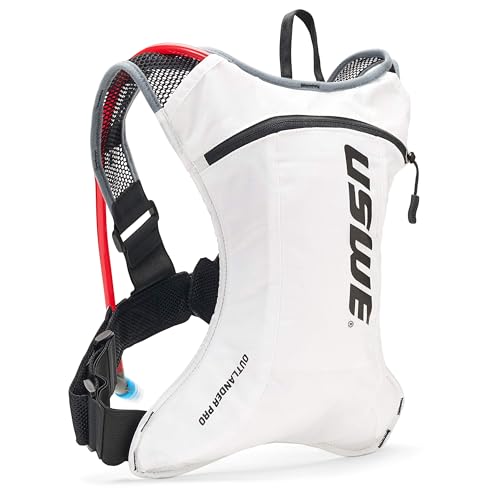 TOP CHOICEBest for a larger bladder on longer racesUSWE Outlander Pro Hydration BackpackView on Amazon
- 4
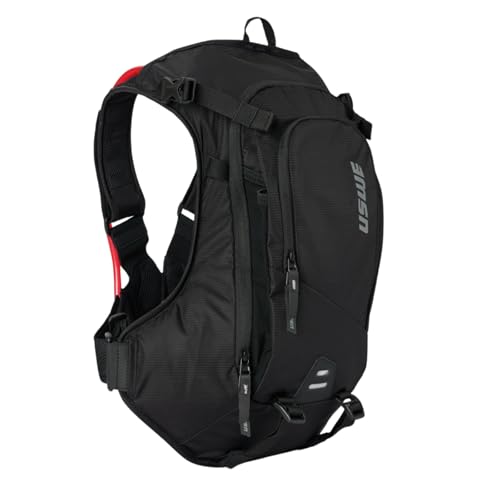 Best for extra storageUSWE MTB Hydro 12L Hydration PackView on Amazon
- 5
 Best for quick-access gearFox Racing Utility Hydration PackView on Amazon
- 6
 Best for a lumbar, waist-level carryFox Racing Lumbar Hydration PackView on Amazon
Our Top Picks
| Product | Best for | Key feature |
|---|---|---|
| USWE Outlander XC 2L Hydration Pack | Best overall | 2L bladder in a slim, race-oriented shell |
| MSR Low-Profile Race Hydration Pack | Best for low-profile race fit | Low-profile 2L race design that sits close to the back |
| USWE Outlander Pro Hydration Backpack | Best for a larger bladder on longer races | 2.0L/70 oz bladder with a racing-style harness |
| USWE MTB Hydro 12L Hydration Pack | Best for extra storage | 12L capacity for spares, tools and layers |
| Fox Racing Utility Hydration Pack | Best for quick-access gear | Accessible pockets for fast tool and snack access |
| Fox Racing Lumbar Hydration Pack | Best for a lumbar, waist-level carry | Lumbar carry that keeps weight low and off the shoulders |
USWE Outlander XC 2L Hydration Pack
USWE Outlander XC 2L Hydration Pack, Running, Hiking Hydration Backpack with Water Bladder (1.5L/50oz) , Hydropack for Men and Women, Backpack Gear and Equipment for Cycling, MTB (Black, 2L)
Best for: Best overall
This is a good fit for riders who want a compact pack for shorter XC races and training rides, where a 1.5 to 2 liter water supply covers most of the effort.
Key specs
- 2L capacity pack with a 1.5L (50 oz) water bladder included
- Designed for cycling and MTB use, per the listing
Pros
- Light and compact for race-day carry
- Bladder volume suits a typical XC lap-based race
- Brand is widely associated with cycling hydration packs
Cons
- Smaller storage area than larger MTB packs
- Limited capacity for long, hot events without a refill
Bottom line: A strong first choice for riders who want a simple, light race pack and can plan a refill stop.
View on AmazonMSR Low-Profile Race Hydration Pack
MSR Low-Profile Race Hydration Pack – 2-Liter Water Bladder Backpack – Lightweight, Secure Fit for Off-Road, Dirt Bike, MTB, MX, Enduro & Adventure Riding – Black
Best for: Best for low-profile race fit
Suited to riders who want the pack to stay flat against the back and avoid catching wind or brushing against the rider during tight, technical racing.
Key specs
- 2-liter water bladder
- Low-profile design, as named in the listing
Pros
- Low profile keeps the load close to the body
- Designed for off-road and race riding
- Lightweight construction for its class
Cons
- Minimal storage beyond the bladder and a few small pockets
- Fit can vary with torso length, so sizing matters
Bottom line: Best for riders who prioritize a snug, low-profile fit and need little beyond water and a tube kit.
View on AmazonUSWE Outlander Pro Hydration Backpack
USWE Outlander Pro Hydration Backpack with 2.0L/70oz Hydration Bladder (White Pro, 2L)
Best for: Best for a larger bladder on longer races
A fit for riders who expect longer efforts, warm conditions or events with few aid stations, where a 2-liter bladder gives more margin.
Key specs
- 2.0L/70 oz hydration bladder
- Pro-level version of the Outlander line, per the listing
Pros
- Larger water volume than the standard 1.5 liter bladder
- Same brand platform as the Outlander XC
- Good for hot-weather and long-distance efforts
Cons
- Heavier than the base XC model when full
- Bladder weight adds to the load on climbs
Bottom line: A sensible pick for riders who want more water than a basic race pack offers without moving up to a large-capacity pack.
View on AmazonUSWE MTB Hydro 12L Hydration Pack
USWE MTB Hydro Hydration Pack with Hydration Bladder – Hydration Backpack for Cycling, Mountain Biking, E-MTB and Gravel Riding, Backpack with Water Bladder (12L, Carbon Black)
Best for: Best for extra storage
Aimed at riders who carry more than water, such as spare tubes, a multitool, a first-aid kit or a layer, and who accept a bigger pack for the convenience.
Key specs
- 12L total capacity
- Includes a hydration bladder, per the listing
Pros
- Large storage for spares and layers
- Suitable for mountain biking, e-MTB and gravel riding
- Room for a full repair kit
Cons
- Bulkier than dedicated race packs
- Extra weight is noticeable on short, fast XC courses
Bottom line: Better for marathon and endurance riders than for sprint-focused XC racers who want the lightest load.
View on AmazonFox Racing Utility Hydration Pack
Fox Racing UTILITY HYDRATION PACK
Best for: Best for quick-access gear
Suited to riders who want tools, gels and a phone within reach without stopping, and who value a pack from a brand with a strong presence in mountain biking.
Key specs
- Hydration pack with utility-focused storage, per the listing
Pros
- Accessible pockets for quick gear access
- Fox is a well-known name in mountain biking gear
- Good for riders who carry a lot of small items
Cons
- Exact capacity should be confirmed on the listing before buying
- Some owners find utility packs add bulk on tight courses
Bottom line: A good match for riders who prioritize easy access to tools and nutrition over the lightest possible carry.
View on AmazonFox Racing Lumbar Hydration Pack
Fox Racing LUMBAR HYDRATION PACK | Fox Racing Lumbar Biking Hydration Pack
Best for: Best for a lumbar, waist-level carry
A fit for riders who dislike shoulder-strap pressure and prefer weight carried low on the body, which can feel more stable on rough terrain.
Key specs
- Lumbar (waist-level) hydration design, per the listing
Pros
- Weight sits low, away from the shoulders
- Easy access to water and small items from the hip area
- Good ventilation for the back in many designs
Cons
- Lumbar carry holds less water than a full backpack
- Fit and comfort depend on waist size and belt adjustment
Bottom line: A worthwhile option for riders who prefer a waist carry and need only modest water for shorter races.
View on AmazonBuying Guide
Bladder Capacity and Race Length
Match the bladder to your expected time on the bike. A 1.5 to 2 liter bladder covers most cross-country lap races, while longer, hotter events may call for more. Sweat rates vary widely, so test your own hourly intake on training rides before race day.
Good picks for this: USWE Outlander Pro Hydration Backpack, USWE Outlander XC 2L Hydration Pack
Fit and Harness Design
A race pack should sit snug against the upper back without bouncing. Look for adjustable sternum straps and a torso-length fit. Owners often report that a poor fit causes chafing and shifting more than any other factor.
Good picks for this: MSR Low-Profile Race Hydration Pack, Fox Racing Lumbar Hydration Pack
Weight and Profile
Every extra pound matters on climbs. Low-profile packs keep the load close to the spine, which tends to feel more stable at speed. Check the listed empty weight and remember that a full bladder adds roughly 2.2 pounds per liter of water.
Good picks for this: MSR Low-Profile Race Hydration Pack, USWE Outlander XC 2L Hydration Pack
Storage and Access
Decide what you need during a race. A few small pockets for gels and a tube are enough for most XC riders. If you carry a full repair kit, a larger pack makes sense, though it adds bulk.
Good picks for this: Fox Racing Utility Hydration Pack, USWE MTB Hydro 12L Hydration Pack
Bladder Quality and Cleaning
Look for a bladder with a wide opening for easy filling and cleaning, and a bite valve that does not leak. Dry the bladder fully after use to limit odor and mold, and clean it with a mild soap and a bladder brush.
Good picks for this: USWE Outlander Pro Hydration Backpack, USWE Outlander XC 2L Hydration Pack
Ventilation and Comfort
Back ventilation affects comfort on hot days. Mesh back panels and channels help airflow. Lumbar designs keep the back cooler in many cases, but they hold less water.
Good picks for this: Fox Racing Lumbar Hydration Pack, MSR Low-Profile Race Hydration Pack
Durability and Care
Race packs take abrasion from branches and crashes. Check zipper quality and stitching, and rinse the pack after muddy rides. Follow the manufacturer’s cleaning instructions for the bladder and valve.
Good picks for this: USWE MTB Hydro 12L Hydration Pack, Fox Racing Utility Hydration Pack
FAQ
How much water should I carry for an XC race?
Many XC riders plan for roughly one liter per hour in warm conditions, though individual needs vary. Use training rides to measure your own sweat loss and plan a refill point if the race is long.
Is a low-profile pack better for racing?
A low-profile pack keeps the load close to the back and can feel more stable on technical sections. It usually offers less storage, so it suits riders who carry only water and essentials.
Should I choose a lumbar pack or a backpack-style hydration pack?
Lumbar packs keep weight low and off the shoulders, which some riders prefer. Backpack-style packs hold more water and gear. Your choice depends on race length and comfort preference.
How do I clean a hydration bladder?
Rinse after each ride, then wash with warm water and mild soap using a bladder brush. Dry it fully with the valve open. Follow the manufacturer’s instructions for any specific cleaning products.
Can I use a hydration pack for road cycling or running?
Many hydration packs work for multiple sports, but fit and bounce vary. A dedicated MTB or race pack is designed for the forward-leaning posture and rough terrain of off-road riding.
How should a hydration pack fit?
The pack should sit snugly against the upper back with no bounce at race pace. Adjust the sternum strap and shoulder straps so the load stays stable. If you have a medical concern about fit or back pain, consult a professional.
Conclusion
For most XC racers, the USWE Outlander XC 2L Hydration Pack is a practical starting point, with the MSR Low-Profile Race Hydration Pack suited to riders who want the closest fit. If you race longer or in heat, the USWE Outlander Pro gives more water. Riders who carry more gear should look at the USWE MTB Hydro 12L or the Fox Racing Utility Hydration Pack, while the Fox Racing Lumbar Hydration Pack suits those who prefer a waist carry. Match the pack to your race length, gear list and comfort preference.
Sources
- Consumer product safety information relevant to cycling gear and product recalls (cpsc.gov)
- Guidance on hydration and fluid needs during physical activity (cdc.gov)
- Information on hydration and performance for endurance athletes
Related reading
- 7 Best Hydration Packs for MTB Riders of 2026: Our Picks
- 7 Best Fox Racing Utility Hydration Packs for Riders (2026)
- 6 Best Uswe Outlander Xc 2l Hydration Pack Options Compared (2026)
- 4 Best USWE MTB Hydro 9L Hydration Packs Compared (2026)
- 4 Best Hydration Pack MTBs: Best Picks for Trail Riding (2026)
- 3 Best Mtb Hydro 9l Hydration Pack Options Compared (2026)
- Women's Running Hydration Pack: 3 Best Options for Every Run (2026)
- West Slope Hydration Pack: 4 Best Options Compared (2026)
About Colin Foster
Colin Foster is part of our editorial team and reviews and edits our backpacks & packing systems guides, checking product details against manufacturer specifications and owner feedback.