 By Colin Foster
Updated November 2026
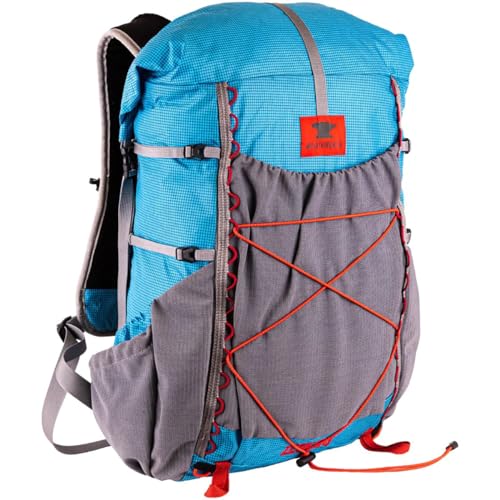
The North Face Basecamp Voyager daypack is a mid-size pack built for everyday carry, short hikes and day trips. This guide walks you through choosing the right capacity for your day, fitting the pack to your torso, and loading it so the weight sits where it should. Follow the steps below and you will end up with a pack that feels stable and comfortable from the trailhead to the end of the day. A related read: Base Camp Voyager Daypack 26 L: Sizing, Fit and Packing Guide.
Choose the Right Capacity for Your Day
Start by listing what you actually carry on a typical outing. A short city commute with a laptop, lunch and a water bottle needs far less room than a full day on a trail with layers, rain gear and a first-aid kit. Match the pack’s capacity to that list rather than buying for the largest trip you might take someday.
Shopping for one? See our guide: 7 Best North Face Recon Daypack Options for Everyday Carry (2026).
Keep in mind that a pack filled to its rated volume will feel heavier and less stable than one that is about 80 percent full. If you regularly need extra room, consider a larger pack rather than overstuffing a smaller one.
Fit the Pack to Your Torso
Measure Your Torso Length
Have someone measure from the bony bump at the base of your neck (C7 vertebra) down to the top of your hip bones. Compare that number to the torso range listed by the manufacturer. Frame length matters more than overall height, because a pack that sits too low or too high will shift weight onto your shoulders.
Adjust the Suspension
Loosen all straps before putting the pack on. Lift it onto your hips, then tighten the hip belt so its padded section rests on your iliac crest, the top of your hip bones. Next, tighten the shoulder straps so they sit smoothly on your shoulders without lifting the pack away from your back. Finish with the sternum strap, which should sit across your chest at a comfortable width.
Pack for Balance and Access
Load heavy items close to your back and centered between your shoulder blades. This keeps the center of gravity near your own and reduces sway on uneven ground. Place lighter, bulky items such as a jacket or sleeping layer toward the outside or bottom of the main compartment.
Keep things you reach for often, including water, snacks, a map and sunscreen, in the lid or in outer pockets. That way you do not have to unpack the main compartment at every stop.
Checklist Before You Head Out
- Confirm the capacity matches your planned load.
- Measure your torso and check the frame fit.
- Set the hip belt on your iliac crest and tighten the shoulder straps.
- Load heavy items close to your back and centered.
- Put water and frequently used items where you can reach them without removing the pack.
- Walk around for five minutes and adjust the straps again if anything shifts.
Common Mistakes
- Buying by capacity alone and ignoring torso length.
- Carrying the pack loose, with the hip belt sitting above or below your hips.
- Packing heavy items at the bottom or far from your back.
- Skipping a short walk test before a long day, which hides fit problems.
- Overstuffing the main compartment so the lid will not close fully.
Recommended Gear
- Packing cubes help you compartmentalize clothing and keep items from shifting. View on Amazon
- Hydration bladder keeps water accessible without stopping to dig in a pocket. View on Amazon
- Rain cover protects the pack and contents when conditions turn wet. View on Amazon
FAQ
What size should I get for a day hike?
Most day hikers find a pack in the mid-size range comfortable for water, snacks, a layer and a small first-aid kit. Check the manufacturer’s capacity guidance and compare it against your typical load.
How tight should the hip belt be?
The hip belt should be snug enough that most of the pack’s weight rests on your hips rather than your shoulders. It should not restrict breathing or cause numbness.
Can I use this pack for commuting?
Yes, many owners use it for commuting with a laptop and everyday items. Keep the laptop close to your back and use the internal sleeve if one is provided.
Conclusion
Choosing the right capacity, fitting the suspension to your torso and loading the pack with balance in mind will make the North Face Basecamp Voyager daypack far more comfortable. Take a few minutes to test the fit before you leave. If you have fit concerns or a physical condition affecting your back or shoulders, consult a professional fitter or your healthcare provider.
Related reading
- The North Face Jester Daypack: A Step-by-Step Guide to Sizing, Packing and Fit
- The North Face Daypack Black: How to Choose, Size and Pack One
- The North Face Berkeley Daypack: Sizing, Features and Packing Tips
Ready to choose one?
About Colin Foster
Colin Foster is part of our editorial team and reviews and edits our backpacks & packing systems guides, checking product details against manufacturer specifications and owner feedback.