 By Colin Foster
Updated November 2026
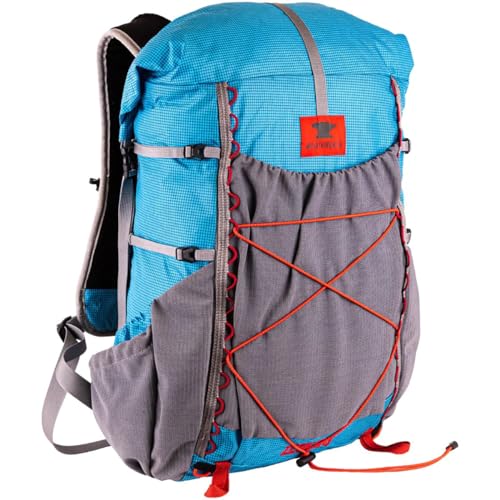
The base camp voyager daypack 26 l is a mid-sized pack built for day hikes, travel days and short overnight trips. This guide walks you through checking fit, loading the pack for balance and deciding whether its 26-liter capacity suits the trip you have planned. By the end, you should be able to set the pack up correctly and load it without putting strain on your shoulders or lower back. For a deeper look, North Face Basecamp Voyager Daypack: Sizing, Packing and Fit Guide covers this in detail.
Check Whether 26 Liters Fits Your Trip
A 26-liter volume is a comfortable size for a full day on the trail with layers, water, food and a few extras. It is generally too small for multi-night backpacking unless you run a very light kit. If you already carry a sleeping bag, tent and cooking gear, you will likely need a larger pack. For planning help, see Ultralight Backpack Gear List: Build a Base Weight Under 10 Lb, which shows how gear volume adds up.
Shopping for one? See our guide: 7 Best North Face Recon Daypack Options for Everyday Carry (2026).
Set Up the Fit Before You Load It
Fit comes first. A pack loaded on a poor fit will feel heavy no matter how little is inside. Work through these steps:
- Measure your torso length from the bony bump at the base of your neck (C7 vertebra) down to the top of your hip bones.
- Loosen all straps, then lift the pack onto your shoulders and fasten the hip belt first.
- Tighten the hip belt so it sits on your iliac crest, the bony top of your hips, not your waist.
- Pull the shoulder straps snug so they hug your shoulders without lifting the pack off your back.
- Adjust the load lifters (the small straps at the top of the shoulder harness) to a roughly 45-degree angle. This pulls the load closer to your back.
If the hip belt rides above your hips or the shoulder straps pull hard on your traps, the torso length setting is probably wrong. Adjust before you start packing.
Pack for Balance and Quick Access
Packing order matters more than most people expect. Heavy items should sit close to your back and between your shoulder blades, roughly at mid-back height. Use this general layout:
- Bottom: Sleeping layer or insulated jacket, which is light and compressible.
- Middle, against your back: Water reservoir, food and any heavy gear.
- Top and outer pockets: Rain shell, snacks, map, sunscreen and anything you need during the day.
Keep the total load under about 20 percent of your body weight for day use if you want a comfortable carry. Compression straps should snug the contents so nothing shifts when you walk.
Use a Simple Pre-Trip Checklist
Before you leave, confirm the following:
- Torso length and hip belt fit were set while wearing the layers you plan to hike in.
- Heavy items sit against your back and centered between your shoulders.
- Water is reachable without unpacking the whole bag.
- Rain protection is in an outer or top pocket.
- Compression straps are tightened and nothing rattles.
Common Mistakes
- Setting the hip belt at the waist instead of on the hip bones.
- Packing heavy items low or at the outside edge, which pulls you backward.
- Overfilling the pack, which makes the lid and pockets hard to use.
- Skipping a test walk with a loaded pack before the trip.
Recommended Gear
- Hydration reservoir: Keeps water close to your back and reduces stops to dig out a bottle. View on Amazon
- Packing cubes: Separate clothing and small items so you can find things without emptying the pack. View on Amazon
- Rain cover: Adds protection in wet conditions without relying on the pack’s water resistance alone. View on Amazon
FAQ
Is the base camp voyager daypack 26 l big enough for overnight trips?
It can work for a single overnight with a very light setup, but most people will find it tight once a sleeping bag and tent are added. For longer trips, plan on a larger pack.
How should I adjust the shoulder straps?
Tighten them so they hold the pack close without pulling it off your hips. The load lifters then bring the weight closer to your back.
Where should I carry my water?
Place a reservoir in the central back compartment, against your spine, so the weight stays balanced and close to your center of gravity.
Conclusion
A well-fitted base camp voyager daypack 26 l carries comfortably when the hip belt, shoulder straps and load lifters are set before you load it. Pack heavy items high and close to your back, and run a short test walk before you head out. Check the manufacturer’s sizing chart and official product details for the most current specifications.
Related reading
- Base Camp Voyager Daypack: Sizing, Fit and Packing Tips for Day Hikes
- Travel Backpack With Daypack: 5 Best Picks Compared (2026)
Ready to choose one?
About Colin Foster
Colin Foster is part of our editorial team and reviews and edits our backpacks & packing systems guides, checking product details against manufacturer specifications and owner feedback.