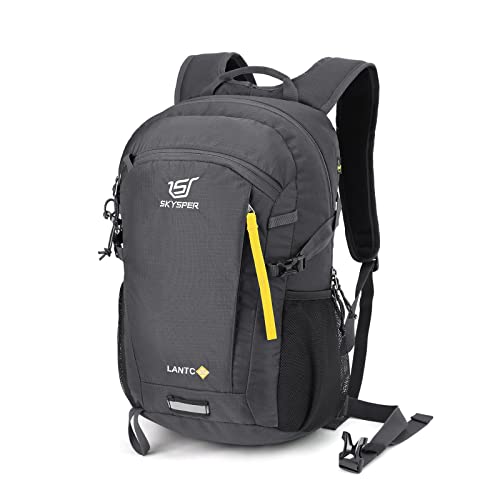
By Colin Foster
Updated November 2026
The camelbak cloud walker 18 hydration pack is aimed at day hikers who want a hydration reservoir, a modest amount of storage and a pack that stays put on uneven ground. It makes the most sense for people who hike a few hours at a time on warm days and want ventilation along the back panel. Hikers who need a large load-carrying frame for multi-day trips, or who prefer to carry water in bottles, will likely find it too small or too specialized. This review is based on the manufacturer’s listing details and general owner feedback patterns, not on hands-on testing.

CamelBak Cloud Walker 18 Hiking Hydration Pack, Black | Comfortable Hydration for Day Hikes, Targeted Ventilation for Warm Conditions, Stable Carry When Terrain Changes
Product Overview
The CamelBak Cloud Walker 18 is a hiking hydration pack in the 18-liter class, sold in a black colorway. CamelBak positions it as a day hike pack that combines an integrated water reservoir with the rest of the pack’s storage, so you can drink without stopping to unclip a bottle. The listing emphasizes three things: comfortable hydration for day hikes, targeted ventilation for warm conditions, and a stable carry when terrain changes underfoot.
Within CamelBak’s lineup, the Cloud Walker line sits in the hiking category rather than the cycling or running categories. That matters for fit and load distribution. Hiking packs are generally built with a hip belt and a more structured back panel than running vests, because the load is usually heavier and the trail surface is less predictable. If you are coming from a running vest and expect the same minimal feel, expect a more supportive, more structured pack.
For readers new to hydration packs, the basic concept is simple. A flexible water bladder sits in a dedicated sleeve, a drink tube routes over your shoulder, and a bite valve lets you sip without removing the pack. If you are still deciding whether a bladder-style pack suits you, our guide CamelBak Backpack Hydration Pack: 6 Steps to Choose and Use One (2026) walks through the decision in more detail.
Key Features & Specifications
The table below lists the features that are stated in the product name and listing copy, along with the general characteristics that CamelBak’s hiking packs are known for. Where the exact dimension or weight is not something we can verify from the listing, we have left it out rather than guess. Check the manufacturer’s product page for final measurements before you buy.
| Feature | What It Means in Practice |
|---|---|
| Product type | Hiking hydration pack with integrated water reservoir |
| Nominal capacity class | 18-liter pack body, designed for day hikes |
| Hydration system | Bladder-style reservoir with drink tube and bite valve |
| Ventilation | Targeted back panel ventilation for warm conditions |
| Carry design | Stability-focused harness and load carry for changing terrain |
| Colorway | Black |
| Intended use | Day hiking and similar outings |
Two details deserve a closer look. First, the “18” in the name refers to the pack’s nominal volume, which in practice means it holds enough for water, a light layer, snacks, a first-aid kit and a few small items for a full day out. It is not intended to hold a sleeping bag or a multi-day food supply. Second, the reservoir is the core of the product. Reservoir capacity varies by configuration, so confirm the liter rating on the specific listing you are buying before assuming a size.
Pros & Cons
Pros
- Integrated hydration means you can drink on the move without unclipping a bottle.
- Targeted back ventilation is aimed at reducing sweat buildup during warm-weather hikes.
- The carry design is built for stability when the trail gets uneven.
- The 18-liter volume is a sensible size for a single-day trip with water, food and a layer.
- Black colorway is practical for dirty trails and hides wear better than lighter fabrics.
- Comes from a brand with a long track record in bladder-style hydration systems.
Cons
- Not suited to overnight or multi-day trips because of its size and lack of sleep-system capacity.
- A bladder-style system requires cleaning and drying to avoid odor and mold.
- Owners often report that a full reservoir adds noticeable weight high on the back, which takes some adjustment.
- Fit depends heavily on torso length, so sizing errors can cause rubbing or poor load transfer.
- Less flexible than a pack with external bottle pockets if you want to carry different beverages.
Performance Analysis
Performance for a hydration pack comes down to four questions: how it carries load, how it manages heat, how it handles water, and how well it stays on your body over hours of walking. Based on the listing’s stated focus and the general patterns in owner feedback for CamelBak hiking packs, the Cloud Walker 18 is designed to do reasonably well on all four for day use, with a few trade-offs.
Load carry and stability. The listing specifically calls out a stable carry when terrain changes. In practice, that usually means a harness and hip belt that keep the load close to your back and reduce side-to-side movement on rocky or uneven ground. Owners of hiking packs in this category commonly report that a well-fitted pack feels stable on steep descents, while a poorly fitted one bounces. A good test is to walk on a slope with the pack loaded to roughly the weight you expect to carry. If the pack shifts more than about an inch when you step down, tighten the load lifters and sternum strap before deciding it does not work for you.
Ventilation. The targeted ventilation is intended to reduce the sweaty back that many daypacks create on warm days. Any back panel ventilation has limits. A pack will always trap some heat against your back, and the effect is stronger when the pack is full. If you hike in hot, humid conditions, expect to feel the pack even with ventilation, and plan breaks in shade.
Hydration performance. A bladder system is only as good as its hose, valve and cleaning routine. Owners of CamelBak bladder systems generally report that the bite valve flows well when the reservoir is reasonably full and that the hose is easy to route. Common complaints in this category include the hose kinking when the reservoir is low, and a slight taste from a bladder that has not been dried properly. Filling the reservoir with cold water and keeping it out of direct sun will help with taste and temperature.
Comfort over time. Comfort depends mostly on fit. Hip belt placement, shoulder strap tension and the sternum strap all change how the load feels after two or three hours. Plan to spend ten minutes adjusting the pack at home with some weight inside before your first hike, and expect to make one or two small changes on the trail.
Who Should Buy This Product?
This pack suits people who hike regularly on day trips, often on trails with some elevation change, and who want to drink without stopping. It also fits hikers who hike in warm weather and want a ventilated back panel. If you already own a bladder system and want a hiking-focused pack for the same kind of outing, the Cloud Walker 18 is a logical next step.
You should skip this pack if you mostly hike overnight, need to carry a sleep system or bulky camping gear, or prefer carrying bottles in external pockets. Runners and cyclists looking for a minimal vest will also find it more structured than they want. Very short or very tall hikers should check torso-length fit carefully before buying, since mismatched fit is one of the most common reasons owners return hydration packs.
Buying Guide
Before you commit to any hydration pack, work through a short checklist. Start with your typical outing length and load, because that drives the volume and structure you need. Next, consider your climate, since ventilation matters more in warm weather. Then check your torso length, since fit is the single biggest factor in comfort. Finally, think about cleaning. Bladder systems are easy to live with if you dry them fully after each use, and frustrating if you do not.
When comparing options, look at four things in order:
- Volume and purpose. Match the pack to your longest typical outing, not your most ambitious one.
- Fit. Measure your torso length and compare it against the manufacturer’s size chart. Try the pack on with weight if you can.
- Hydration design. Check the reservoir capacity, hose routing and valve type.
- Ventilation and carry. Consider how the back panel and harness perform in your typical conditions.
If the Cloud Walker 18 does not match your plans, two other CamelBak products are worth comparing. The

CamelBak Classic Bike Hydration Pack, Graphite/Black | Efficient Hydration with Every Sip, Lightweight Comfort for Long Rides, Secure, Breathable Fit, Visibility When It Matters
View on Amazon is a cycling-oriented pack with a lighter feel for long rides, which suits cyclists more than hikers. The

CamelBak Mini MULE Hydration Pack 50oz, Stormy Sea/Mango | Sized for Young Adventurers, Hydration That Supports Active Play, Flexible Storage for Essentials
View on Amazon is sized for younger users and is a better match for kids who need a small hydration pack for active play. For a broader view of how hydration packs differ by use, see 6 Best CamelBak Insulated Hydration Packs for Cold Weather (2026) if you hike in cold conditions, or 4 Best CamelBak Waist Hydration Packs for Riding and Running (2026) if you prefer a lighter, hip-mounted setup.
FAQ
Is the CamelBak Cloud Walker 18 good for multi-day hiking?
Generally, no. The pack is sized for day hikes and does not have the capacity or frame design for carrying a sleep system and several days of food. If you plan overnight trips, look at a larger pack built for multi-day loads.
How do I clean the reservoir?
Rinse the bladder after each use, then wash it with warm water and a mild soap or a cleaning tablet made for hydration reservoirs. Rinse thoroughly and hang it to dry fully, with the cap off, before storing. Manufacturers generally recommend cleaning the hose as well.
Does the back panel really keep me cooler?
Ventilated back panels reduce heat buildup somewhat, but they cannot eliminate it. Owners generally report that the effect is most noticeable on moderate days and least noticeable in heavy heat. Plan rest breaks in shade regardless.
Can I carry a hot beverage in the reservoir?
Standard hydration bladders are generally made for cold or room-temperature water. Check the manufacturer’s guidance before putting any hot liquid in the reservoir, since heat can damage the bladder and the valve.
How should I adjust the fit?
Start by setting the hip belt so it sits on your hip bones, then tighten the shoulder straps so the load sits close to your back. Use the load lifters to pull the top of the pack toward your shoulders, and tighten the sternum strap for stability. Recheck after your first mile.
Is this pack suitable for running?
It is designed as a hiking pack, so it is more structured than a running vest. Runners who want a minimal feel are usually better served by a dedicated running hydration pack.
What size should I choose if I am between sizes?
Choose based on torso length rather than body weight. If you are between sizes, try the pack on with a load if possible, and prioritize a size where the hip belt sits on your hips and the shoulder straps do not bottom out.
Final Verdict
The CamelBak Cloud Walker 18 is a sensible choice for day hikers who want integrated hydration, a ventilated back panel and a stable carry on uneven terrain. Its strengths are practical: it fits a full day’s worth of water, food and layers, and its design focuses on the things that matter on a trail. Its limits are equally clear. It is not an overnight pack, it requires disciplined reservoir cleaning, and fit needs to be right for it to feel good. If your outings are day hikes in mixed conditions and you want to drink on the move, it is worth a close look. If you need a multi-day pack or prefer external bottles, look elsewhere.
Check the current specs and size chart on the listing before you buy, and consult a professional fitter if you have a back or shoulder condition. View on Amazon
Related reading
- 4 Best CamelBak Cloud Walker 18L Hydration Pack Options for Day Hikes
- Ladies CamelBak Hydration Pack: 5 Best Options Compared (2026)
About Colin Foster
Colin Foster is part of our editorial team and reviews and edits our backpacks & packing systems guides, checking product details against manufacturer specifications and owner feedback.