By Colin Foster
Updated November 2026
If you are looking at a sierra designs bear peak hydration pack, you likely want a pack that carries enough water for a long day outside without bouncing, leaking or fighting you on steep climbs. This guide compares four hydration-style packs that fit that brief, with the criteria we used to order them: reservoir capacity and how it is carried, fit and torso adjustment, ease of filling and cleaning, daypack storage for layers and snacks, and the owner feedback patterns that repeat across listings and forums. The sierra designs bear peak hydration pack name is a useful starting point, but it is also worth comparing against related designs before you commit.
Our top picks at a glance
- 1
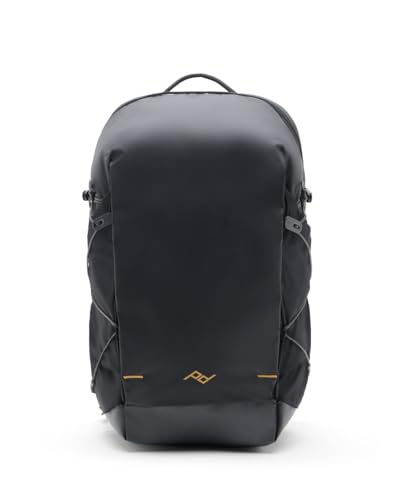 TOP CHOICEBest overallPeak Design Outdoor Backpack 18L, Black, Lightweight Frameless DaypackView on Amazon
- 2
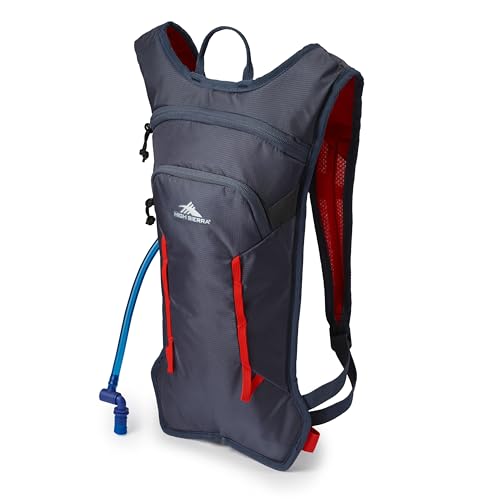 Best for hiking with a reservoirHigh Sierra Hydrahike 2.0 Hydration Backpack with 2L Reservoir, Grey Blue, 4LView on Amazon
- 3
 Best for multi-day carryHigh Sierra Pathway 2.0 Backpack with Hydration Storage Sleeve, Black, 60LView on Amazon
- 4
 Best budget pickHigh Sierra Hydration Backpack Easy Fill, 18 x 9 x 4.7 in, 12 L + 2 L ReservoirView on Amazon
Note that the product details below come from manufacturer listings and commonly reported owner experiences. We have not tested these packs ourselves, so check the current specifications on the product page before buying.
Our Top Picks
| Product | Best for | Key feature |
|---|---|---|
| Peak Design Outdoor Backpack 18L | Day hikes and mixed-use carry | 270-degree rear zip access |
| High Sierra Hydrahike 2.0 Hydration Backpack | Hiking, biking and camping with a reservoir | 2L reservoir in a 4L pack |
| High Sierra Pathway 2.0 Backpack | Longer trips needing bulk storage | 60L capacity with hydration sleeve |
| High Sierra Hydration Backpack Easy Fill | Budget-minded daily carry | 12L pack with 2L reservoir |
Peak Design Outdoor Backpack 18L, Black, Lightweight Frameless Daypack
Peak Design Outdoor Backpack 18L, Black, Lightweight Frameless Daypack | Compact Design, 270-Degree Rear Zip, Ideal for Day Hikes, Hydration, Camera Carry and Commuting, Versatile for Men and Women
Best for: Day hikes and mixed-use carry
This pack suits hikers and commuters who want a compact daypack that can also take a hydration bladder. Its frameless design keeps weight low, which matters if you carry it for hours on a warm day.
Key specs
- Capacity: 18 liters
- Design: lightweight, frameless daypack
- Access: 270-degree rear zip opening
- Intended uses: day hikes, hydration carry, camera carry, commuting
Pros
- The rear zip opens wide, so you can reach gear without unloading the whole pack.
- Frameless construction keeps the weight low on short and medium hikes.
- The compact footprint works for both trail and city use.
Cons
- Without a frame, heavy loads can sit unevenly against the back.
- 18 liters is tight for multi-day trips.
Bottom line: Pick this if you want one versatile daypack for hiking and everyday carry and do not expect to haul heavy loads.
View on AmazonHigh Sierra Hydrahike 2.0 Hydration Backpack with 2L Reservoir, Grey Blue, 4L
High Sierra Hydrahike 2.0 Hydration Backpack with 2L Reservoir, for Hiking, Biking, Camping, Traveling, Grey Blue, 4L
Best for: Hiking with a reservoir on the go
This is a small hydration pack built around a 2-liter reservoir. It suits hikers, cyclists and campers who want water on the back without carrying a full-size bag.
Key specs
- Pack volume: 4 liters
- Included reservoir: 2 liters
- Intended uses: hiking, biking, camping, traveling
Pros
- The 2L reservoir gives a practical amount of water for a few hours of activity.
- The small volume keeps the pack close to the body and stable while moving.
- It works as a travel-friendly option for short excursions.
Cons
- Only 4 liters of total space leaves little room for layers or food.
- Owners often report that reservoir hoses can be fiddly to route on some setups.
Bottom line: A good fit for short hikes, rides and camp days where water is the main load.
View on AmazonHigh Sierra Pathway 2.0 Backpack with Hydration Storage Sleeve, Black, 60L
High Sierra Pathway 2.0 Backpack with Hydration Storage Sleeve, for Hiking, Biking, Camping, Traveling, Black, 60L
Best for: Multi-day carry
This larger pack is for backpackers who need volume for food, shelter and clothing, and who want a dedicated sleeve for a hydration bladder. It is a poor match for quick day outings.
Key specs
- Capacity: 60 liters
- Feature: hydration storage sleeve
- Intended uses: hiking, biking, camping, traveling
Pros
- 60 liters gives room for multi-day loads.
- The hydration sleeve keeps the reservoir separate from dry gear.
- Suitable for travel as well as trail use.
Cons
- Overkill for day hikes, and heavier when empty.
- Owners often mention that fully loaded packs at this size need careful weight distribution.
Bottom line: Choose this if you regularly spend nights outside and need the hydration sleeve as part of a larger system.
View on AmazonHigh Sierra Hydration Backpack Easy Fill, 18 x 9 x 4.7 in, 12 L + 2 L Reservoir
High Sierra Hydration Backpack Easy Fill, Size: 18 x 9 x 4.7 in, Capacity: 12 L + 2 L Reservoir
Best for: Budget daily carry
This mid-size pack combines a 12-liter main compartment with a 2-liter reservoir. It suits people who want a straightforward hydration daypack without paying for extra features.
Key specs
- Dimensions: 18 x 9 x 4.7 inches
- Capacity: 12 liters main, 2 liters reservoir
- Feature: easy-fill design
Pros
- The dimensions give a balanced profile for daily use.
- The 12L main compartment has room for a light jacket, snacks and a small first-aid kit.
- The easy-fill design is meant to simplify refilling the reservoir.
Cons
- Basic feature set compared with more technical hydration packs.
- The 4.7-inch depth may feel bulky for slim-fit use.
Bottom line: A sensible pick for everyday hydration carry when you want a simple pack and a predictable fit.
View on AmazonBuying Guide
Reservoir Capacity and Water Needs
Most hikers drink roughly half a liter per hour in moderate conditions, more in heat or on steep climbs. A 2-liter reservoir covers a few hours; a 3-liter bladder covers most day hikes. Match capacity to how long you will be out and how much water is available along the route.
Good picks for this: High Sierra Hydrahike 2.0 Hydration Backpack, High Sierra Hydration Backpack Easy Fill
Fit and Torso Length
Torso length, not overall height, determines pack fit for most hikers. Measure from the base of your neck to the top of your hip bones. Packs sized for the wrong torso length tend to sag or ride too high, which shifts weight onto the shoulders.
Good picks for this: High Sierra Pathway 2.0 Backpack, Peak Design Outdoor Backpack 18L
Ease of Filling and Cleaning
A wide-mouth reservoir is easier to fill and dry than a narrow one. Check whether the bladder detaches for cleaning and whether the hose uses a standard connector. Clean the bladder after each trip to prevent odor and biofilm buildup.
Good picks for this: High Sierra Hydration Backpack Easy Fill, High Sierra Hydrahike 2.0 Hydration Backpack
Pack Volume for Gear
Decide how much dry gear you carry beyond water. Day hikes with layers, a rain shell and snacks usually fit in 12 to 18 liters. Overnight trips need considerably more, and bulky sleeping gear pushes you toward 50 liters or more.
Good picks for this: Peak Design Outdoor Backpack 18L, High Sierra Pathway 2.0 Backpack
Access and Organization
Front-zip and rear-zip access behave differently. A rear panel opening lets you reach the main compartment without unpacking, which helps on crowded trails. Look for separate sleeves for the reservoir so wet hose and bladder do not soak dry clothing.
Good picks for this: Peak Design Outdoor Backpack 18L, High Sierra Pathway 2.0 Backpack
Weight and Carry Comfort
Frameless daypacks keep weight low but transfer load unevenly when heavy. Framed packs distribute loads better for trips beyond a few hours. Consider how much you expect to carry before you choose.
Good picks for this: Peak Design Outdoor Backpack 18L, High Sierra Hydrahike 2.0 Hydration Backpack
Durability and Materials
Check fabric denier, stitching at stress points and zipper quality. Owners often report that reservoir ports and drink-tube connectors are the first parts to wear, so inspect them before every trip and keep spare parts on hand.
Good picks for this: High Sierra Pathway 2.0 Backpack, High Sierra Hydration Backpack Easy Fill
FAQ
What size hydration pack do I need for a day hike?
Most day hikers do well with a pack in the 10 to 18 liter range and a 2 to 3 liter reservoir. Choose the reservoir based on your expected hours on trail and how hot the weather will be.
Is a frameless hydration pack comfortable with heavy loads?
Frameless packs are comfortable for light loads, typically under about 10 pounds. Heavier loads benefit from a frame or a supportive back panel, which spread weight across the hips.
How often should I clean a hydration bladder?
Clean it after every trip, and deep-clean it at least every few weeks if used often. Dry it fully with the cap open to reduce mold and odor.
Can I use a hydration pack for travel?
Yes, many hydration packs work as carry-on daypacks, though check your airline’s size limits. Empty the reservoir before flying.
What should I do if my reservoir leaks?
Check the cap and hose connections first, then inspect the bladder seams. If the bladder is damaged, replacement is usually safer than patching. Consult the manufacturer for warranty options.
Does pack weight matter for short trips?
For short trips the difference is small, but a lighter empty pack leaves more room in your weight budget for water and food. Consider your typical load before deciding.
Conclusion
For a single pack that handles day hikes and everyday carry, the Peak Design Outdoor Backpack 18L is the most flexible option here. If your main need is a small reservoir pack for short outings, the High Sierra Hydrahike 2.0 fits well. For overnight trips, the High Sierra Pathway 2.0 offers the volume and sleeve design you need. The High Sierra Hydration Backpack Easy Fill is a practical choice for budget-minded daily carry. Whichever you choose, confirm the current specifications on the product page and check the fit against your own torso measurement.
Sources
- Guidance on hydration and fluid needs during physical activity and heat exposure (cdc.gov)
- Trail safety, water planning and backcountry preparation resources (nps.gov)
- Food-contact guidance relevant to reusable drinking containers and bladder materials (fda.gov)
Related reading
- Sierra Designs Hydration Pack How to Use: 6 Steps From Fill to Fit
- 6 Best Sierra Designs Hydration Pack Options for Trails and Travel (2026)
- Nathan Peak Hydration Waist Pack: Fit, Fill and Choose the Right One
- How to Clean High Sierra Hydration Pack: 6 Steps for a Fresh Bladder
- High Sierra Hydration Pack Review: Hydrahike 2.0 Features and Limits
- High Sierra Hydration Pack How to Use: 6 Steps From Fill to First Sip
- High Sierra Hydration Pack Cragin: A Practical Guide (2026)
- High Sierra Hydration Pack Bladder Replacement: 6 Steps to Swap It Safely
About Colin Foster
Colin Foster is part of our editorial team and reviews and edits our backpacks & packing systems guides, checking product details against manufacturer specifications and owner feedback.