 By Colin Foster
Updated November 2026
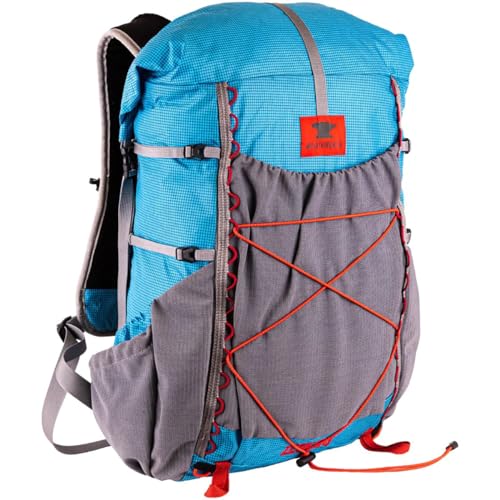
A base camp voyager daypack is a compact pack built for day hikes, travel days and light urban carry. This guide walks you through choosing the right size, adjusting the fit and packing it so the load stays comfortable on the trail. By the end, you will know how to set up the pack before your next outing.
Step 1: Confirm the Pack Fits Your Trip
Start by matching capacity to the length of your outing. A daypack this size suits water, a layer, a snack, a phone and a small first-aid kit for a few hours on the trail. If your plans include overnight gear, a sleeping bag or a cooking setup, a larger pack will serve you better.
Shopping for one? See our guide: 7 Best North Face Recon Daypack Options for Everyday Carry (2026).
Check the manufacturer’s listed capacity and dimensions before you buy or pack. Compare those numbers against the items you actually carry rather than relying on general guesses.
Step 2: Adjust the Fit Before You Load It
An empty pack should still feel stable. Fit it first, then add weight.
- Loosen the shoulder straps fully, then slip the pack on.
- Tighten the shoulder straps until the pack sits close to your upper back without pulling backward.
- Set the sternum strap at chest height, snug but not restrictive.
- Cinch the hip belt, if the model has one, so it rests on your hip bones.
- Walk a short loop and adjust until nothing bounces or shifts.
Step 3: Pack for Weight Balance and Quick Access
Good packing keeps the center of gravity close to your back and between your shoulder blades. Heavier items belong in the middle panel, close to the back panel. Lighter, bulky items like a rain shell or insulated layer go at the top or in the outer pocket.
| Zone | Best items |
|---|---|
| Bottom | Sleep layer, spare clothing you rarely need |
| Center, near back | Water reservoir, heaviest food or tools |
| Top | Rain shell, snacks, gloves, hat |
| Outer pockets | Water bottle, sunscreen, map or phone |
Keep anything you may need during a stop, such as a headlamp, snacks or sun protection, in a spot you can reach without unpacking the whole bag. If you use small pouches, label them so you can find items by feel. For a broader look at how weight and organization interact, see Ultralight Backpack Gear List: Build a Base Weight Under 10 Lb.
Step 4: Plan Water and Hydration Access
Decide early where water will live. A hydration reservoir sits against the back panel and adds weight close to your spine, which helps balance. A bottle in a side pocket is easier to grab but may need a quick reach check on uneven ground. Test both setups on a short walk before a longer outing.
Common Mistakes
- Overpacking “just in case” items that add weight without earning their space.
- Skipping the fit adjustment and carrying the pack loose on the shoulders.
- Putting heavy gear at the top, which pulls the pack backward and strains the shoulders.
- Leaving the sternum strap too loose, which lets the shoulder straps slide.
- Failing to test the pack on a walk, then discovering problems mid-hike.
Recommended Gear
A hydration reservoir with a sturdy hose helps keep water close to your back and easy to reach while you walk. View on Amazon
A packing cube set keeps layers, food and small items separated, so you can find things without emptying the pack. View on Amazon
A compact rain cover protects the pack and its contents during sudden showers. View on Amazon
FAQ
How should a daypack sit on my back?
The pack should rest close to your upper back and not sag below your waist. The top of the pack should sit roughly level with the top of your shoulders. For another angle, check out Base Camp Voyager Daypack 26 L: Sizing, Fit and Packing Guide.
Can I use this pack for overnight trips?
Short overnight trips may work if you carry light gear and a compact sleep system. Longer trips usually need a larger pack with more capacity and structure.
How do I know if the pack is too heavy?
If your shoulders ache, your neck feels strained or your stride changes after a short walk, the load is probably too heavy. Remove nonessential items and recheck the fit. For persistent pain or posture concerns, consult a physical therapist or medical professional.
Conclusion
A well-fitted base camp voyager daypack carries comfortably when the straps are set, the load is balanced and water and essentials are easy to reach. Test the setup on a short walk, then adjust before a longer day on the trail. Small changes to packing order often make the biggest difference.
Related reading
- Travel Backpack With Daypack: 5 Best Picks Compared (2026)
- Topo Designs Daypack Classic: Sizing, Features and Packing Tips
- Top 5 Lightweight Daypacks for Hiking Picks for Trail Days 2026
- The North Face Jester Daypack: A Step-by-Step Guide to Sizing, Packing and Fit
Ready to choose one?
About Colin Foster
Colin Foster is part of our editorial team and reviews and edits our backpacks & packing systems guides, checking product details against manufacturer specifications and owner feedback.