By Colin Foster
Updated November 2026
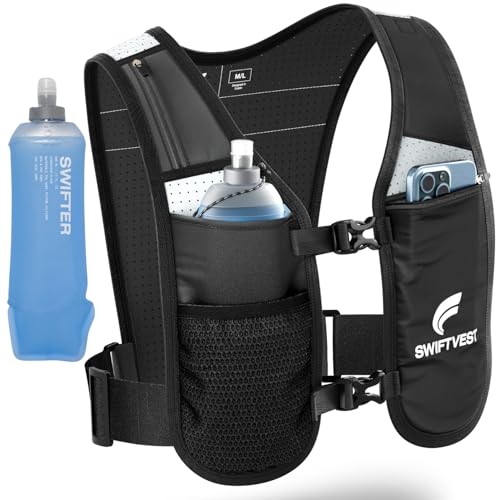
A condor hydration pack review should answer three things: whether the pack fits your torso, whether its bladder and pockets match how you hike, and whether it holds up under real use. This guide walks through each of those checks so you can judge a Condor pack against your own routes and gear. Expect a practical framework rather than a verdict on any single model.
Step 1: Check the Fit Before Anything Else
Hydration packs ride on your shoulders and hips, so fit matters more than any feature list. Measure your torso from the base of your neck to the top of your hip bone, then compare that number to the size range the manufacturer publishes. Owners often report that a pack sized too large sways on steep climbs, while one that is too small pulls on the straps.
Shopping for one? See our guide: 6 Best Condor Fuel Hydration Packs for Tactical and Outdoor Use (2026).
Once you have the pack on, tighten the sternum strap and the hip belt, then load it with the weight you actually carry. The shoulder straps should sit close to your collarbones without pinching. The hip belt should carry most of the load, not the shoulders.
Step 2: Match the Bladder Size to Your Outings
Bladder capacity drives how often you need to refill. For short trail runs or day hikes in mild weather, a smaller reservoir is usually enough. For longer days or hot conditions, look for a larger bladder and confirm it fits the sleeve without forcing the pack’s shape.
Check how the bladder sits inside the pack. A reservoir that slides around shifts your center of gravity, so look for a sleeve with a retention strap or a snug internal pocket. Confirm the hose routes cleanly over your shoulder, and that the bite valve is easy to reach while you are moving.
Step 3: Review the Pocket Layout and Access
Think about what you carry during a normal outing and whether each item has a logical home. Common needs include a phone, snacks, a map, a headlamp and a small first-aid kit. Pockets that open from the outside let you grab these items without taking the pack off.
Compression straps matter too. A pack that is partly full will bounce unless you cinch the load down. Test the straps with a half-filled bladder and a few light items to see whether the load stays stable.
Step 4: Assess Build Quality and Weather Resistance
Look at the stitching at stress points, especially where the straps meet the body and where the hose exits the pack. Check the zipper type and whether the main compartment has water-resistant coating or a rain cover. Manufacturers’ materials specs vary, so read the product page for fabric denier and coating details rather than relying on general claims.
Quick Checklist Before You Buy
- Measure your torso length and confirm the size range.
- Choose a bladder capacity that matches your longest typical outing.
- Test the sternum strap, hip belt and compression straps together.
- Confirm the hose and bite valve reach your mouth easily.
- Check that pockets fit your phone, snacks and first-aid kit.
- Inspect stitching at strap and hose attachment points.
Common Mistakes to Avoid
- Buying by bladder size alone and ignoring torso fit.
- Filling the bladder all the way, which can shift weight and slosh.
- Skipping a test walk with a loaded pack before a long trip.
- Forgetting to clean the bladder and hose, which can cause odor and buildup.
- Overloading the top pocket, which pulls the pack away from your back.
Recommended Gear
A few accessories make a Condor-style pack easier to use day to day. Choose items that match your outing length and climate.
- Hydration bladder cleaning kit: Brushes and tablets help you keep the reservoir and hose free of residue between trips. View on Amazon
- Insulated hose sleeve: Helps slow warming of the drink in hot weather or freezing of the hose in cold conditions. View on Amazon
- Bladder drying hanger: Keeps the reservoir open to air so it dries fully and avoids mildew. View on Amazon
FAQ
How do I know which size Condor hydration pack to buy?
Measure your torso from the base of your neck to the top of your hip bone, then match that number to the manufacturer’s size chart. If you fall between sizes, try both on with a load if possible.
How much water should a hydration pack hold for a day hike?
Many hikers plan for about half a liter per hour in warm weather, but needs vary with temperature, effort and body size. A bladder that covers your longest outing with some margin is a sensible starting point.
How often should I clean the bladder?
Rinse it after every use and do a deeper clean with a bladder cleaning kit every few weeks of regular use. Always dry it fully before storing. If you have health questions about water quality or hydration needs, consult a medical professional.
Conclusion
A good hydration pack starts with fit, then moves to bladder size, pocket access and build quality. Work through each step against your own routes and body measurements. That approach will tell you more than any single review.
Related reading
- Osprey Hydration Pack Raptor 14 Review: Is It Worth It?
- CamelBak Cloud Walker 18 Hydration Pack Review: Features and Performance
- Zulo 2L Hydration Waist Pack: Fit, Fill and Use It in 5 Steps
Ready to choose one?
About Colin Foster
Colin Foster is part of our editorial team and reviews and edits our backpacks & packing systems guides, checking product details against manufacturer specifications and owner feedback.