By Lauren Holland
Updated November 2026
If you are looking at rei thule packing cubes, you want two answers: which Thule cube sets are worth considering through REI, and how to use them so your bag stays organized. This guide covers how to match cube sizes to your gear, how to pack them for a trip, and what to avoid. Specific model availability changes, so confirm current stock and details on the REI and Thule sites before you buy.
Step 1: Decide What You Need the Cubes to Do
Packing cubes sort your gear, but they do not all do the same job. Some are meant to keep clothes separated in a carry-on. Others are built to hold tech, toiletries or hiking layers in a backpack. Before you shop, list the bag you will use and the three or four categories you most need to separate. That list tells you how many cubes you need and which sizes matter.
Shopping for one? See our guide: Rei Co Op Hiking Backpack: 3 Best Picks for Trail Days in 2026.
Step 2: Match Cube Sizes to Your Bag
Measure the interior of your bag or check the manufacturer’s stated capacity. A set that fits a 40-liter pack may leave a gap in a 25-liter daypack. Use this rough guide:
| Cube size | Typical use |
|---|---|
| Small | Underwear, socks, chargers, toiletries |
| Medium | Shirts, a pair of pants, hiking layers |
| Large | Bulky items, sleeping layers, rain shell |
Check how cubes stack in your bag before filling them. Lay them flat and note whether the lid zippers still close with your fabric pulled in. A cube that bulges at the zipper will snag and wear faster.
Step 3: Pack the Cubes in Order
Packing order matters as much as cube choice. Follow this sequence:
- Place the heaviest cube against your back, centered between your shoulder blades.
- Put cubes with items you use at camp or in the hotel near the top or front.
- Keep a small cube with rain gear or a light layer accessible at the top.
- Fill gaps with shoes in their own bags so they do not compress clothing.
For backpacking, this keeps weight close to your body and reduces sway on the trail. For luggage, it keeps frequently needed items from ending up at the bottom of the case.
Step 4: Compress Only What Needs It
Compression zippers reduce volume by pressing air out of soft items. They work well on bulky clothing such as puffy jackets or fleece. They do little for dense items like shoes or electronics, and overcompressing wool or synthetic insulation can reduce loft over time. Use compression on one or two cubes, not every one. Your packing gear will last longer if you only squeeze what benefits from it.
Common mistakes
- Buying a full set before measuring your bag, which leads to cubes that do not stack.
- Overstuffing cubes so zippers strain and seams stretch.
- Packing every item in cubes, which can slow you down when you need one thing fast.
- Ignoring weight. Each cube adds material, so count the total base weight if you are going ultralight.
- Skipping a test pack at home before a trip.
Recommended gear
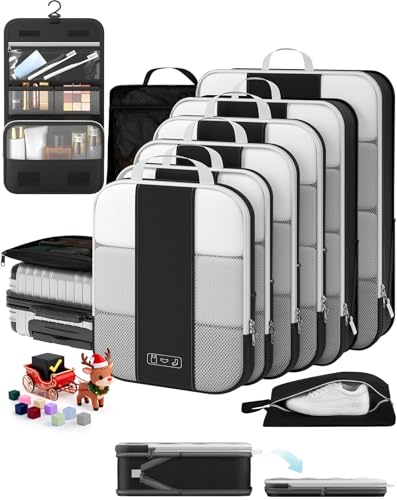
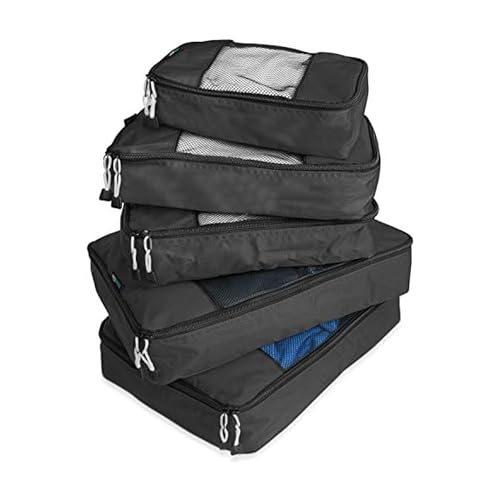
A set of soft packing cubes in two or three sizes covers most trips. Look for a set sold through REI or from Thule if you want a known brand with a warranty. View on Amazon
A compression cube in a medium size is useful for insulating layers you want to shrink. View on Amazon
A small zippered pouch works well for chargers and toiletries that need their own space. View on Amazon
FAQ
Are rei thule packing cubes good for backpacking?
Soft cubes can work well in a backpack if they fit your pack’s interior and you keep them lightweight. Check that the set’s size range matches your pack volume before you commit.
How many packing cubes do I need?
Most people do well with three to four cubes: one small for accessories, two medium for clothing, and one large for bulky items. Add more only if you find a clear sorting need.
Do packing cubes make luggage heavier?
Yes, slightly. The added fabric and zippers add weight, so consider lighter materials if you are tracking base weight closely.
Conclusion
Choose cube sizes that match your bag, pack heavy items close to your back, and compress only the bulky layers. A small test pack at home will show you whether a set works before your trip. Confirm current availability and details on the REI or Thule website.
Related reading
- Ultralight Packing Cubes: Weight Saved vs Durability
- Suitcase Organizers Beyond Packing Cubes: Shelves, Dividers and Hanging Systems
- Packing Folder vs Packing Cube: Which Keeps Clothes Neater?
Ready to choose one?
About Lauren Holland
Lauren Holland is part of our editorial team and reviews and edits our backpacks & packing systems guides, checking product details against manufacturer specifications and owner feedback.