By Lauren Holland
Updated November 2026
Packing cubes for rucksack use give you a simple system: sort your gear into labeled zippered pouches, then load those pouches in an order that keeps weight centered and items easy to reach. By the end of this guide, you will know how many cubes you need, how to assign each one a job, and how to load them so your pack carries well and you can find what you need without unpacking everything.
Choose the Right Number and Size of Cubes
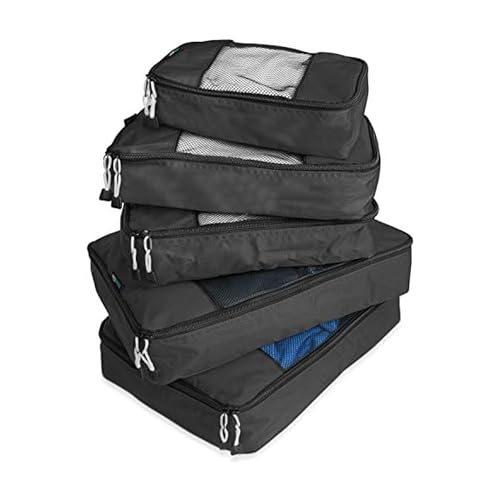
Most backpackers do well with three to five cubes. Too many cubes add weight and waste space, while too few force you to dig. A common setup for a multi-day trip uses one large cube for sleep layers, one medium cube for camp clothes and kitchen items, and one small cube for electronics, first aid and toiletries. For a daypack or overnight trip, two cubes are often enough.
Size each cube to its contents, not to the bag. If a cube is only half full, it will shift and bulge, which makes the pack harder to balance. Our Packing Cube Size Guide: What Fits in Small, Medium and Large explains typical capacities in more detail.
Assign Each Cube a Job
Before you fold anything, decide what each cube holds. Keep the categories clear and limited:
- Sleep cube: dry base layers, sleep socks and a spare shirt. Keep it dry at all costs.
- Clothing cube: the rest of your trail clothes, rolled rather than folded.
- Kitchen cube: stove, pot, utensils and food that does not need a bear canister.
- Essentials cube: headlamp, first aid, navigation and anything you may need in a hurry.
If you are unsure how to split your gear, Women's Backpacking Gear List: A Step-by-Step Guide to Packing Light walks through a full category breakdown you can adapt.
Load the Cubes in the Right Order
Packing cubes only help if you load them with the pack’s geometry in mind. Follow this sequence:
- Line the bottom of the pack with the cube you need least, usually the kitchen or bulky clothing cube. This sits in the lower third and keeps weight low.
- Place the heaviest cube, often food or the kitchen cube, against your back and close to the spine, centered between your shoulder blades.
- Stack the sleep cube on top of the heavy cube, so it is accessible at camp without unloading the rest.
- Put the essentials cube in the lid or a top pocket so you can reach it while hiking.
- Fill remaining gaps with soft items like a rain shell or sleeping bag, then cinch the compression straps.
For a complete loading order that includes items outside the cubes, see What to Put in Hiking Backpack: A Packing Order That Works on the Trail.
Compression Versus Regular Cubes
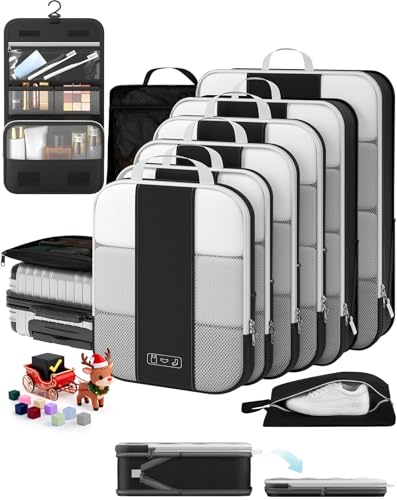
Standard cubes keep things organized, but compression cubes reduce bulk by squeezing air out of soft items like insulation and clothing. Compression cubes are useful for sleeping bags and puffy jackets, but they can make it harder to see what is inside. If you want to weigh the tradeoffs, Compression vs Regular Packing Cubes: How Much Space Do You Save? compares them side by side.
Recommended gear
- Lightweight nylon cube set: sized in several dimensions so you can match each cube to a category. View on Amazon
- Lightweight compression cube: useful for insulated layers that need to shrink. View on Amazon
- Dry bag liner for the sleep cube: keeps the sleep cube dry if rain gets through the pack. View on Amazon
Common mistakes
- Overstuffing cubes, which makes them hard to close and throws off the pack’s balance.
- Putting every item in a cube, when a few small things like a headlamp are better in an outside pocket.
- Skipping a waterproof liner, so one soaked cube ruins your sleep layers.
- Labeling inconsistently. Use the same category names on every trip so you know where things are without thinking.
FAQ
Do packing cubes make a rucksack heavier?
Yes, slightly. Each cube adds a small amount of fabric and zipper weight, so use only as many as you need. For ultralight trips, the weight difference matters more, and Ultralight Packing Cubes: Weight Saved vs Durability covers that tradeoff.
Should I roll or fold clothes inside a cube?
Rolling usually saves more space and reduces wrinkles in lightweight fabrics. Folding works better for structured items like shirts you want to keep flat.
Can packing cubes replace a dry bag?
No. Standard cubes are not waterproof. For rain protection, place your sleep cube inside a waterproof liner or stuff sack.
Conclusion
Packing cubes for rucksack trips work best when you limit yourself to a few clearly labeled cubes, load them in order, and keep your sleep layers dry. Start with three or four cubes on your next overnight trip and adjust the categories based on what you actually reach for. Over a few trips, the system will feel automatic.
Related reading
About Lauren Holland
Lauren Holland is part of our editorial team and reviews and edits our backpacks & packing systems guides, checking product details against manufacturer specifications and owner feedback.