By Colin Foster
Updated November 2026
The osprey hikelite 26 hiking backpack is a 26-liter daypack aimed at hikers who want one pack for day hikes, short overnight trips, and everyday carry on the trail. It suits people who value a supportive hip belt, a well-ventilated back panel, and a pack that stays comfortable on climbs longer than a few hours. It is a weaker choice for ultralight purists counting every gram, for anyone carrying heavy loads beyond roughly 20 pounds, or for buyers who need a large multi-day capacity. Shoppers comparing it against a bigger or lighter option should read the sections below before deciding.
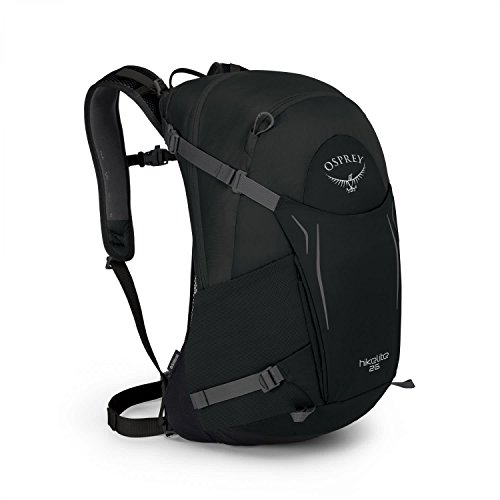
Osprey Hikelite 26L Unisex Hiking Backpack, Black
Product Overview
The Hikelite 26 is part of Osprey’s Hikelite line, a family of hiking packs built around a sprung, mesh-backed suspension and a fit system designed to move with the wearer. The 26-liter size sits in the middle of the daypack range: large enough for a rain shell, a insulated layer, water, snacks and a first aid kit, but small enough that it does not encourage overpacking. It is sold as a unisex model in black, which is the colorway shown in the listing.
Osprey pitches the Hikelite as a pack for longer day hikes and weekend trips rather than a basic school-style daypack. Owners often report that the main appeal is the way the pack carries weight: the frame and hip belt transfer load to the hips, which matters more as the day gets longer. Compared with a plain zip-top daypack, the Hikelite offers adjustable torso fit and better ventilation, though it is heavier than minimalist packs in the same volume class.
If you are new to fitted packs, it helps to understand how torso length and hip belt sizing affect comfort. Our guide on Hiking Backpack with Internal Frame: How to Choose One in 6 Steps walks through the basics of how internal frames distribute load, which applies directly to this pack.
Key Features & Specifications
The table below lists the specifications we can confirm from the product name and well-established details about this model line. Where a figure is not something we can state with confidence, we have left it out rather than estimate it. Check the current listing before purchasing, since manufacturers occasionally revise materials and dimensions.
| Feature | Detail |
|---|---|
| Capacity | 26 liters |
| Style | Unisex hiking backpack |
| Color | Black |
| Category | Day hiking / light overnight |
| Suspension | Framed, mesh back panel with ventilation |
| Hip belt | Padded, designed to carry load on the hips |
| Fit | Adjustable torso length to suit a range of body sizes |
| Hydration | Compatible with a hydration reservoir sleeve, per Osprey’s design of the line |
Manufacturers specify that the pack is intended for loads that fit within its volume and remain light enough to be carried comfortably on the hips. For specific weight and material details, consult the manufacturer’s product page.
Pros & Cons
Pros
- A supportive, padded hip belt that transfers weight away from the shoulders on longer climbs.
- Ventilated back panel that reduces sweat build-up compared with flat foam-backed daypacks.
- A 26-liter volume that covers a full day’s layers, water and food without encouraging overpacking.
- Adjustable fit that accommodates a range of torso lengths, which matters for shared or growing use.
- Well-established brand with a reputation for repair support and long product lines.
Cons
- Heavier than ultralight daypacks, which makes it less suitable for fast-and-light hiking.
- Limited capacity for multi-day trips that require a sleeping bag and shelter.
- Fit is critical; a poorly sized pack will feel uncomfortable regardless of its features.
- Black colorway shows dirt readily, which some owners find inconvenient on dusty trails.
- Not designed for heavy technical loads such as climbing rope or large camera kits.
Performance Analysis
Because this is a research-based review, the performance notes below draw on the stated design of the Hikelite line and recurring patterns in owner feedback rather than on our own field tests. Owners often report that the pack feels most stable when packed with the heaviest items close to the back and centered between the shoulder blades, which is standard advice for any framed pack.
On climbs, the main performance question is load transfer. A framed pack with a well-fitted hip belt keeps the load closer to the center of gravity, which reduces shoulder fatigue. Owners frequently mention that the hip belt is the feature that determines whether the pack feels comfortable after several hours. If the hip belt sits above the iliac crest or cinches too high, comfort drops quickly, so trying the pack on with a loaded weight is worthwhile.
Ventilation is another common talking point. The mesh back panel keeps air moving between the pack and your back, which helps on warm days but does not eliminate sweat entirely. In cold or wet conditions, the pack’s shell fabric and zippers become the limiting factor, so pairing it with a rain cover or a dry bag for electronics is a sensible precaution.
For capacity, the 26 liters works well for a full day with a warm layer, a rain shell, water, and lunch. It becomes tight if you add a bulky insulated jacket and a tent footprint at the same time. Weight distribution matters more than total volume here: a dense load in the right place feels lighter than the same weight stuffed loosely at the bottom.
If you plan to use a hydration reservoir, the sleeve placement and hose routing determine how well the pack works with a bladder. Our overview of Osprey Backpack Hydration Pack: 6 Steps to Choose, Fit and Use One (2026) covers reservoir fit and hose routing in more detail.
Who Should Buy This Product?
The Hikelite 26 is a strong fit for hikers who spend most of their time on day hikes between roughly 3 and 8 hours, and who carry between 10 and 20 pounds. It also suits people who do occasional one- or two-night trips with a compact sleep system and want a single pack for both situations. If you value a pack that feels stable on descents and rough ground, the framed design is a good match.
You should probably skip this pack if you are an ultralight backpacker who counts grams, if you regularly carry loads over 25 pounds, or if you need to carry a full three-season sleep system and food for multi-day routes. Commuters and casual walkers may also find the fit system more than they need.
Buying Guide
Before buying any daypack, sort out three questions: how long your typical hike runs, how much you carry, and whether you need hydration or a specific pocket layout. The Hikelite 26 handles the middle ground well, but it is not the only option. Consider the following steps when deciding.
- Measure your torso. Have someone measure from the C7 vertebra (the bony bump at the base of your neck) down to the top of your hip bones. Fit depends on this number more than on any other spec.
- Decide on capacity. Under about 20 liters suits short, light hikes. Around 26 liters covers full days with layers. Above 35 liters is better for multi-day use.
- Check the hip belt. Try the pack on with weight. The belt should sit on your hip bones, not your waist.
- Consider hydration. If you carry a bladder, confirm a sleeve and hose port are included.
- Look at access. Top lid, front stash pocket, and side pockets matter for quick access to water, snacks and a map.
Here are three well-known alternatives worth comparing. The first is the Osprey Talon 26L, which shares the same volume class and is aimed at daypack and travel use.

Osprey Talon 26L Men's Lightweight Hiking Backpack, Black OS | daypack, travel daypack, camping pack, Black color, OS size
If you want a broader look at Osprey options in this size range, 5 Best Osprey Backpacks for Day Hiking in 2026 lays out how different models compare for trail use.
Shoppers who want to weigh brands against each other may also find Arc'teryx Hiking Backpack vs Osprey: Which Should You Choose? useful. For buyers focused on very light packs, Ultra Lightweight Hiking Backpack Picks: 5 Best Options Compared (2026) covers a different trade-off between weight and support.
FAQ
Is the Osprey Hikelite 26 good for day hiking?
Yes. Its 26-liter volume and framed suspension suit full-day hikes with layers, water and food. Owners often report that the hip belt keeps the load comfortable over several hours.
Can the Hikelite 26 be used for overnight trips?
It can handle a single overnight if you pack light, but it is not designed for full camping loads that include a tent and sleeping bag. For multi-day trips, a larger pack is a better match.
How much weight can the Hikelite 26 carry?
Manufacturers generally recommend keeping loads within the pack’s intended range for comfort and stability. For day use, most hikers stay under about 20 pounds. Check the manufacturer’s product page for the official load guidance.
Does the pack include a hydration reservoir?
The Hikelite line is designed to work with hydration reservoirs. Confirm the sleeve and hose port on the listing if hydration is a priority for you.
Is the Hikelite 26 unisex?
Yes, the listing describes it as a unisex model. Fit is controlled by the adjustable torso and hip belt rather than by a gendered cut, so sizing depends on your measurements.
How do I know if the pack fits me?
Measure your torso length and try the pack on with a load of about 15 to 20 pounds. The hip belt should rest on your hip bones and the shoulder straps should sit comfortably without pulling.
Should I consult a professional about pack fit?
If you have a back, shoulder or spinal condition, or if you experience pain or numbness when carrying a pack, consult a physical therapist or a qualified outdoor fitting specialist before choosing a pack.
Final Verdict
Osprey Hikelite 26 Hiking Backpack: Our Conclusion
The osprey hikelite 26 hiking backpack is a sensible, comfort-focused daypack for hikers who want a framed, ventilated pack for full days and light overnights. Its strengths are load transfer, ventilation and an adjustable fit, while its limits are weight and capacity for heavier multi-day kits. If your hikes are mostly day trips and you prioritize comfort over minimalism, it is a solid choice. If you need ultralight weight or serious multi-day capacity, look at the alternatives above first.
View on AmazonAbout Colin Foster
Colin Foster is part of our editorial team and reviews and edits our backpacks & packing systems guides, checking product details against manufacturer specifications and owner feedback.