By Colin Foster
A hydration pack for snowboarding needs to do more than hold water. It has to keep the reservoir and drinking tube from freezing on a chairlift at 20°F, carry a shell, goggles, and a snack without shifting on your back, and stay out of the way when you are strapped in and turning. Most warm-weather running packs fail on at least one of these points, which is why this list focuses on cold-weather designs. The picks below are chosen from manufacturer specifications, brand reputation for winter gear, and the patterns owners tend to mention in their feedback, not from any testing we did ourselves.
Our Top Picks
Quick Comparison
| Product | Best for | Key feature |
|---|---|---|
| CamelBak Zoid Hydration Pack 70oz | Riders who want a slim, minimal pack | Cold-weather hose and reservoir design |
| Osprey Glade 5L | Short runs and resort days with light loads | Hydraulics reservoir in a compact frame |
| Osprey Glade 12-Snow HYD Pack | Full-day riders carrying extra layers | 2.5L reservoir with winter-oriented carry |
| CamelBak Powderhound 12 Hydration Pack 70oz | Riders who want secure gear carry on the lift | Snow-oriented hydration with ski or board carry options |
| Blue Quartz Hydration Backpack with 2L Water Bladder | Budget-minded riders and multi-sport users | Insulated reservoir compartment |
| Lightweight Hydration Backpack with 2L Water Bladder | Casual riders and light daypack needs | Low-profile 2L bladder pack |
CamelBak Zoid Hydration Pack 70oz, Black/White

CamelBak Zoid Hydration Pack 70oz, Black/White | Minimalist Hydration for Snow Days, Cold‑Weather Hydration You Can Trust, Prevents Freezing in Winter Conditions
This pack suits riders who want hydration without a bulky frame. It is aimed at short to mid-length days where you need water, a phone, and a few essentials rather than a full layering kit.
Key specs
- Reservoir capacity: 70 oz (about 2 L)
- Designed with cold-weather hose and reservoir features to resist freezing
- Minimalist, low-profile fit
Pros
- Slim profile sits close to the back and stays out of the way under a jacket
- Cold-weather hydration design is a clear priority in its marketing
- Simple layout means fewer things to fiddle with while riding
Cons
- Limited storage for a full-day kit with extra layers
- Owners who ride long days often find the space tight
Osprey Glade 5L, Black OS

Osprey Glade 5L, Black OS | ski backpack, snowboard pack, winter hydration, backcountry gear, Hydraulics reservoir, hydration pack, water bladder
The Glade 5L is a small, lightweight option for riders who only need water, a snack, and a few small items. It also fits resort-based riders who want a compact pack for quick runs.
Key specs
- Capacity: 5 L total pack volume
- Compatible with a hydration reservoir (Hydraulics system)
- Designed for ski and snowboard carry use
Pros
- Compact size keeps weight low on the back
- Osprey’s hydration system is widely regarded for easy filling and drinking
- Good choice for riders who want minimal bulk
Cons
- Not enough room for a shell, extra layers, and a full lunch on a cold day
- Smaller volume may feel tight for riders who carry a lot
Osprey Glade 12-Snow HYD Pack
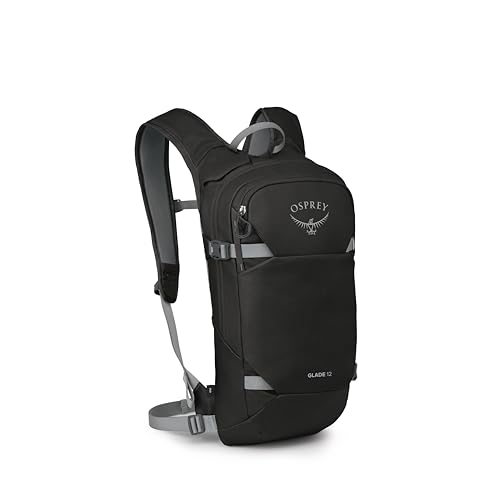
Osprey Glade 12-Snow HYD Pack-Cold-Weather Winter Pack with 2.5L Water | ski backpack, snowboard pack, winter hydration, backcountry gear, water reservoir, hydration bladder, ski carry, snow travel
This is the pick for full-day riders who need room for a shell, a spare layer, and food, while still wanting a built-in water reservoir. It is a better fit for longer days and colder conditions.
Key specs
- Capacity: 12 L total pack volume
- Included water reservoir: 2.5 L
- Designed as a cold-weather winter pack with ski and snowboard carry
Pros
- Enough volume for layers, goggles, and lunch on a full day
- 2.5 L reservoir covers most of a day of drinking
- Winter-oriented design with snow-focused carry features
Cons
- Heavier and bulkier than minimal packs
- Can feel large for riders who only want water and a phone
CamelBak Powderhound 12 Hydration Pack 70oz, Black/White
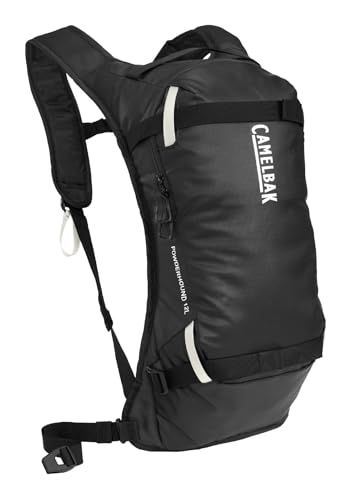
CamelBak Powderhound 12 Hydration Pack 70oz, Black/White | Hydration That Resists Freezing, Built for Snow Conditionsecure Ski or Snowboard Carry Options, Fast Access on the Lift
The Powderhound 12 is built for riders who want a secure, snow-ready pack with quick access to water on the chairlift. Its carry options suit riders who need to strap skis or a board to the outside.
Key specs
- Reservoir capacity: 70 oz (about 2 L)
- Pack volume around 12 L, based on the model name
- Designed with snow-oriented hydration and ski or board carry options
Pros
- Good balance of storage and water capacity for a full day
- Carry options help keep gear secure while riding
- Cold-weather hydration features are a focus of the design
Cons
- Some owners report the fit can feel bulky with a full load
- Less room than larger winter packs for extra layers
Blue Quartz Hydration Backpack with 2L Water Bladder

Blue Quartz Hydration Backpack with 2L Water Bladder, Hiking Water Pack with Insulated Compartment for Women Men, Lightweight Cycling Daypack with Phone Pocket, Hydration Pack for Running,Biking
This pack is a practical choice for riders who want a general-purpose hydration pack that also works for hiking and cycling. It includes an insulated compartment, which helps slow freezing in mild cold.
Key specs
- Includes a 2 L water bladder
- Insulated compartment for the reservoir
- Lightweight daypack design with a phone pocket
Pros
- Insulated reservoir area helps in mild winter conditions
- Works across several sports, not just snowboarding
- Phone pocket is handy for quick access on the lift
Cons
- Insulation may not hold up in deep-cold conditions below freezing for long periods
- Not designed specifically for snow carry, so straps and fit may need adjusting
Lightweight Hydration Backpack with 2L Water Bladder

Lightweight Hydration Backpack, Running Backpack with 2L Water Bladder | Hydro Water Daypack, Small Hiking Backpack for Cycling Hiking Rave for Men Women
This is a simple, low-cost-of-entry style hydration pack for casual riders or anyone who only needs water and a few small items. It is a general running and daypack design rather than a winter-specific pack.
Key specs
- Includes a 2 L water bladder
- Lightweight daypack construction
- Suitable for running, cycling, and hiking as well
Pros
- Lightweight and easy to wear all day
- Straightforward layout with few parts to manage
- Versatile across several outdoor activities
Cons
- Not built with cold-weather features, so the hose may freeze on cold days
- Limited space for a full winter kit
Buying Guide
Selection Criteria
When comparing hydration packs for snowboarding, the first question is whether the pack is designed for cold conditions. A standard running bladder can freeze within an hour at temperatures well below 32°F, which leaves you with no water on the lift. Next, consider how much you need to carry. A half-day rider may only need water and a phone, while a full-day rider may need a shell, a mid layer, goggles, and food. Finally, think about how the pack fits under a jacket and whether it stays put when you are carving.
Important Features
- Insulated or cold-weather hose: Look for an insulated sleeve around the tube or a design that lets you blow water back into the reservoir.
- Reservoir access: A wide opening makes filling and cleaning easier, especially with snow on your gloves.
- Carry options: Compression straps or ski and board carry loops keep gear secure when you are not wearing the pack.
- Fit and adjustment: Sternum and waist straps help the pack stay stable without bouncing.
Specs to Check
- Reservoir capacity: Common sizes are about 1.5 L to 2.5 L. Two liters is a practical middle ground for most riders.
- Total pack volume: Small packs in the 5 L range suit minimal loads. Packs around 12 L give room for layers and food.
- Weight: A lighter pack is easier to wear on the lift, but a heavier winter pack may carry more securely.
Choosing by Need
- Short resort days: A compact pack with a small reservoir keeps you light.
- Full days or backcountry-adjacent trips: A larger pack with space for layers and emergency items makes sense.
- Multi-sport use: A general hydration pack with an insulated compartment can cover snowboarding, hiking, and cycling.
Things to Watch Out For
Be cautious with packs that do not mention cold-weather features at all. Many owners report that uninsulated hoses freeze quickly below freezing, so plan to keep the tube under a jacket and blow water back into the reservoir between runs. Also check that the pack will fit under your outer layer, since a bulky pack can make a jacket hard to close. If you have a medical condition that affects hydration needs, consult a healthcare professional about how much water you should carry.
FAQ
Will a hydration pack freeze on a snowboarding day?
It can. Hoses and reservoirs without insulation can freeze in sustained cold, especially on lift rides. Cold-weather packs and insulated sleeves reduce the risk, and blowing water back into the reservoir after each drink helps keep the tube clear.
How much water should I carry for a day on the mountain?
Many riders carry around 1.5 to 2 liters for a full day, though needs vary with effort, altitude, and temperature. Cold air can mask thirst, so drinking regularly matters even when you do not feel thirsty. If you have health concerns, consult a healthcare professional.
Can I use a running hydration pack for snowboarding?
You can, but in cold conditions the hose may freeze. A running pack also may not include ski or board carry features. It can work on mild days with the tube kept under a jacket.
What size pack do I need for snowboarding?
For short days with only water and a phone, a pack around 5 L is often enough. For full days with layers, goggles, and food, a pack around 12 L gives more room. Check how the pack fits under your jacket before buying.
Should I get a pack with a built-in carry for skis or a board?
If you want to walk or hike with your gear, carry options are useful. Many riders prefer packs with secure straps so the board or skis do not shift. It is worth testing the carry on a dry day.
How do I keep my hydration tube from freezing?
Keep the tube under a jacket, blow air back into the reservoir after drinking, and store the pack inside your layers when you are not riding. Some riders also use an insulating sleeve around the hose.
Do hydration packs work for hiking and cycling too?
Many do. General-purpose hydration packs suit hiking, running, and cycling. If you use the pack for several sports, a versatile model with an insulated compartment may be more useful than a snow-specific design.
Conclusion
For a minimal setup on short resort days, the CamelBak Zoid or the Osprey Glade 5L keeps weight and bulk low. For full days with layers and food, the Osprey Glade 12-Snow HYD Pack and CamelBak Powderhound 12 offer more room and winter-oriented features. If you want one pack for snowboarding and other activities, the Blue Quartz Hydration Backpack with its insulated compartment is a practical general option. The Lightweight Hydration Backpack suits casual riders who accept that cold-weather performance is limited. Whatever you choose, check cold-weather features, reservoir capacity, and fit under your jacket before you ride.
Related reading
- 7 Best Top Rated Running Hydration Packs (2026): Expert Picks
- Travel Pack With Daypack: 5 Best Options for Trips in 2026
- North Face Backpack Hiking: How to Pick the Right Pack in 6 Steps
About Colin Foster
Colin Foster is part of our editorial team and reviews and edits our backpacks & packing systems guides, checking product details against manufacturer specifications and owner feedback.