 By Lauren Holland
Updated November 2026
Eagle Creek clean/dirty packing cubes let you separate worn clothing from fresh clothing inside the same suitcase or backpack. Used well, they keep odors and damp fabric from spreading, and they make unpacking at a hotel or campsite faster. This guide covers how to set up the system, a routine for swapping items through a trip, and the mistakes that undo the benefit. If you want more background, see Eagle Creek Isolate Packing Cubes vs Standard Cubes: Which Should You Choose?.
What the Clean/Dirty Split Actually Does
The idea is simple: one compartment holds clean clothes, and a separate compartment or bag holds anything you have worn. Many Eagle Creek clean/dirty packing cubes use a divided design with a mesh or ventilated side for dirty items, so air can move through and worn fabric can dry instead of sitting sealed against clean shirts.
The split helps most on trips longer than a few days, when you cannot wash everything right away. It also helps when you share a bag with someone else, or when you pack a swimsuit or workout clothes that stay damp.
How to Set Up Your Packing Cubes
- Lay out the clean side first. Fold or roll clothes to the cube’s inner dimensions so the zipper closes without forcing.
- Place the cube on the bottom or middle of the bag, with the clean section closest to your everyday access point.
- Put the dirty side in the mesh or separately zipped area, and keep it out of contact with clean fabric.
- Reserve one small item, such as a plastic bag, for wet swimwear or rain gear that should not go in the dirty mesh.
- Check that both zippers close fully before you lift the bag. A zipper left partly open can let clean clothes slide into the dirty side.
A Routine for Swapping Clothes During a Trip
The system only works if you move items deliberately. Each evening, take off what you wore that day and place it in the dirty side. Pull out a fresh set for the next day and put it in your clean side or on top of the bag. Do not drop worn socks into the clean compartment “just for now,” because that single habit causes most of the mix-ups people report. If you want more background, see Briggs and Riley Packing Cubes vs Eagle Creek: Which Should You Choose?.
If you do laundry on the road, empty the dirty side completely into a laundry bag, then wipe out any loose debris before you repack. Our guide to Travel Laundry Bags: Keeping Dirty Clothes Separate covers bag options for that step, and the same principle applies whether you are at a hotel or a campground.
How the Cubes Fit Into the Rest of Your Packing System
Clean/dirty cubes do not replace a good overall layout. If you are choosing between formats, Packing Cubes vs Vacuum Compression Bags explains where compression helps and where it does not, and Compression vs Regular Packing Cubes: How Much Space Do You Save? shows how much room each type typically gives back. For a carry-on, Packing Cubes for Carry-On Luggage: Choosing a Set That Fits helps you match cube sizes to the bag.
Common Mistakes to Avoid
- Putting damp swimwear directly into the dirty side without drying it first, which can cause mildew smell.
- Overfilling the dirty side so the zipper strains and the cube bulges against clean clothes.
- Forgetting that a packing cube is not waterproof. Keep wet items in a sealed bag inside the dirty section.
- Mixing shoes into either side. Use a separate shoe bag instead, as described in Travel Shoe Bags: Keeping Shoes Separate From Clean Clothes.
- Letting the system drift by midweek. Check the labels each evening until the habit is automatic.
Recommended Gear
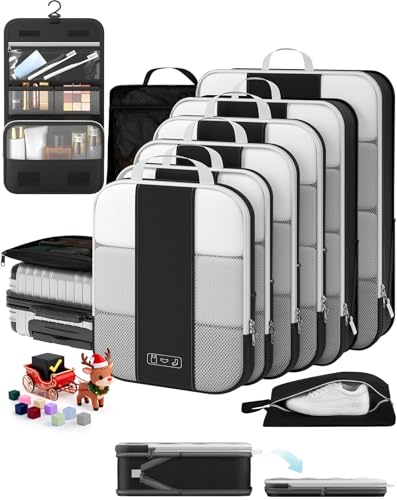
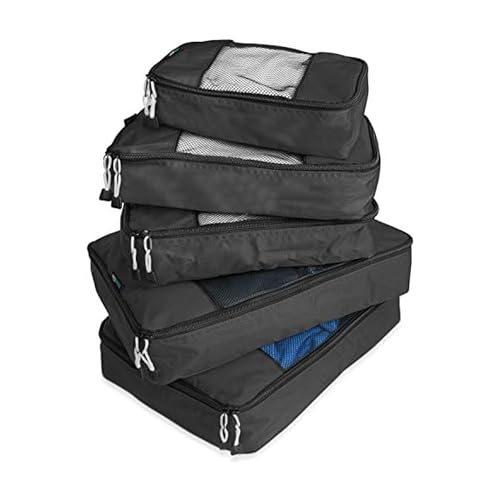
- Eagle Creek Pack-It Specter Clean/Dirty Cube keeps worn and fresh clothing in separate zipped areas, which reduces the chance of mixing them during repacking. View on Amazon
- A small zippered mesh laundry bag gives you a place to hold dirty clothes when you cannot wash them immediately, and it keeps them off the bed or floor. View on Amazon
- A plastic zip-top bag set lets you isolate wet swimwear or rain gear so it does not soak into the rest of the dirty side. View on Amazon
FAQ
Do Eagle Creek clean/dirty packing cubes keep clothes completely odor-free?
No. The ventilated dirty side helps worn fabric dry and reduces the chance of smell spreading, but it does not neutralize odor. Wash or air out worn items when you can.
Can I use clean/dirty cubes for a backpacking trip?
Yes, though space is tighter. Use small cubes, keep the dirty side to one or two items, and dry wet clothing fully each night before it goes back in the pack.
Should I store dirty clothes in the cube overnight?
It is better to remove them from the bag if possible, especially after sweaty or wet days. If that is not practical, leave the dirty side unzipped briefly so it can air out. Packing Cubes for Shoes: A Step-by-Step Guide to Keeping Them Clean goes further into this.
Conclusion
Eagle Creek clean/dirty packing cubes work best when you use them as a routine, not just a feature. Set up the clean and dirty sides deliberately, swap items every evening, and handle wet gear separately. With those habits, your clean clothes stay clean for the whole trip.
Related reading
- Ultralight Packing Cubes: Weight Saved vs Durability
- Suitcase Organizers Beyond Packing Cubes: Shelves, Dividers and Hanging Systems
- Packing Folder vs Packing Cube: Which Keeps Clothes Neater?
- Packing Cubes vs Vacuum Compression Bags
About Lauren Holland
Lauren Holland is part of our editorial team and reviews and edits our backpacks & packing systems guides, checking product details against manufacturer specifications and owner feedback.