By Colin Foster
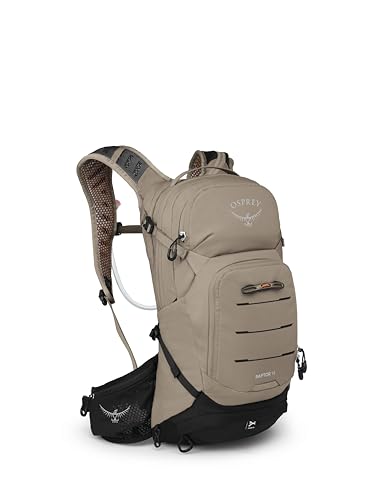
A daypack with chest strap stays put when you climb, scramble, or run downhill, because the sternum strap pulls the shoulder straps inward and keeps the pack from bouncing or sliding off your shoulders. This guide walks through how the chest strap works, how to choose a daypack that has one, and how to adjust it so you get stability without restricting your breathing. By the end you will know what to look for on the spec sheet and how to set up the pack in the parking lot before you hit the trail.
What a Chest Strap Does on a Daypack
The chest strap, also called a sternum strap, is a horizontal strap that connects the two shoulder straps across your upper chest. Its job is to limit side-to-side movement of the shoulder straps and transfer some of the load’s sway into a more stable carry. Most hikers notice the difference most on uneven ground, when the pack tends to shift toward one shoulder as you step.
A chest strap does not carry weight in the way a hip belt does. On a daypack, which typically holds 15 to 30 liters and a modest load, the strap’s main contribution is control. It keeps the pack close to your back so your center of gravity does not drift, and it reduces the rhythmic bounce that can cause chafing over several hours.
Step 1: Decide Whether You Need One
Not every trip calls for a chest strap. Short walks on groomed paths with a light load rarely expose the problems it solves. The strap earns its place when you are doing any of the following:
- Hiking on steep, rocky, or loose terrain where the pack may swing.
- Scrambling, using poles on technical sections, or moving quickly on downhills.
- Carrying a heavier daypack load, such as a camera, extra layers, and several liters of water.
- Wearing a pack with a narrow or shoulder-only carry that tends to slip.
If your trips are mostly flat and your pack already sits well without it, a daypack with no chest strap can be perfectly adequate. Plenty of models omit the strap to reduce weight and simplify the design.
Step 2: Check the Chest Strap Design
Not all chest straps behave the same way. When comparing models, look at these specific features rather than relying on the word “adjustable” in a product description.
Width and Material
Narrow chest straps can dig into the sternum under load. Many manufacturers use webbing or a padded sleeve, and wider straps distribute pressure more comfortably. Check whether the strap is sewn in place or can be removed and repositioned.
Position and Slide Range
The strap should slide up and down the shoulder strap so you can set its height. A common setup places the strap roughly at the level of your collarbones, a few finger-widths below the notch at the base of your throat. Some packs have a fixed position, which limits fit adjustment across different torso lengths.
Quick-Release Buckle
A side-release buckle lets you unclip the strap in one motion, which matters when you need to shed the pack quickly or take it off at a stream crossing. Check that the buckle is easy to operate with cold or gloved hands if you hike in shoulder seasons.
Whistle and Accessory Attachments
Some chest straps include a whistle buckle or a small attachment point for a bell or clip. These are useful features on trails where you want an emergency signal within reach, but they are not essential.
Step 3: Match Pack Size and Torso Length
Chest strap position depends on your torso length, which is measured from the seventh cervical vertebra (the bony bump at the base of your neck) down to the crest of your hip bones. Many daypacks list a back length range or a torso size. If the pack’s shoulder straps are too long or too short for your frame, no chest strap adjustment will fully correct the fit.
Daypacks in the 20 to 30 liter range tend to suit most day hikers. Smaller packs in the 10 to 18 liter range work well for trail runs and light walks but may feel unstable with heavier loads if they lack a chest strap entirely.
Step 4: Set the Chest Strap Correctly
Proper adjustment is where most of the benefit comes from. Follow this sequence each time you put the pack on:
- Load the pack with your typical gear so the fit reflects real conditions.
- Loosen the shoulder straps completely, then put the pack on and cinch the hip belt first so it sits on your iliac crest.
- Tighten the shoulder straps until the pack hugs your back without pulling your shoulders down.
- Clip the chest strap and slide it so it sits across your upper chest, roughly level with your collarbones.
- Snug the chest strap until the shoulder straps stop shifting outward when you lift your arms. It should feel secure, not compressive.
- Take three to five test steps on flat ground, then walk downhill or step up a curb to confirm the pack stays put.
A useful check is to take a full, deep breath. If the chest strap restricts your inhale, move it up a little or loosen it. You should be able to breathe normally while keeping the strap firm enough to hold the shoulder straps in place.
Step 5: Plan for Adjustments on the Trail
Your body changes as you hike. Shoulders fatigue, clothing layers shift, and the load moves as you eat and drink. Plan to readjust the chest strap at a rest stop after the first hour. Loosen it slightly if your breathing feels shallow on climbs, and tighten it again before a descent.
If the chest strap rubs your skin, check whether it is positioned too low or too tight. Adding a thin layer under the strap or moving it a finger-width higher often solves the problem.
Quick Checklist: Chest Strap Daypack Setup
- Pack is loaded with a realistic weight before fitting.
- Hip belt sits on the top of your hip bones and carries some load.
- Shoulder straps are snug without pulling shoulders down.
- Chest strap is level with the collarbones and does not restrict breathing.
- Pack stays stable during a side step and a short downhill test.
- Buckle releases easily with one hand.
Common Mistakes
- Tightening the chest strap too far. A strap that compresses the chest can cause discomfort on long climbs. Snug is the goal, not tight.
- Setting the strap too low. Positioned near the stomach, it does little to control shoulder sway.
- Skipping the hip belt. The chest strap cannot replace a properly fitted hip belt on heavier loads.
- Fitting the pack with an empty bag. The fit you get empty can feel very different with water and food inside.
- Ignoring torso length. A pack that is the wrong length will not fit well even with perfect strap adjustment.
Tips for Getting More From a Chest Strap
- Mark your preferred chest strap height with a small piece of tape on the shoulder strap so you can reset it quickly.
- Keep the strap slightly looser on flat trails and tighten it before descents or scrambles.
- If you wear a hydration bladder, route the tube along the strap and clip it to the chest strap to keep it from pulling sideways.
- Check the webbing and buckles each season for fraying, especially where the strap meets the shoulder strap.
Recommended gear
Choosing the right pack is the main decision, but a few accessories make the setup more practical. A rain cover protects the pack contents and keeps the chest strap clear of wet debris. A hydration bladder with a hose clip helps keep your hands free and the tube from swinging. A small trekking pole holder or external attachment straps can keep poles secure when the pack is not in use.
- A pack rain cover that fits your daypack’s volume, to keep contents dry in wet conditions. View on Amazon
- A hydration reservoir with a hose clip, for easy drinking without stopping. View on Amazon
- Trekking poles with a folding or telescoping design, which pair well with a pack that has external pole attachments. View on Amazon
FAQ
Is a chest strap necessary on a daypack?
No. It is most useful on steep or rough terrain and with heavier loads. For flat, short hikes with a light pack, it often adds little.
Where should the chest strap sit?
Most people set it level with the collarbones, a few finger-widths below the base of the throat. Adjust it so the shoulder straps stay in place without restricting breathing.
Can a chest strap cause chest pain or breathing trouble?
It can if it is cinched too tight. Loosen it if you notice restricted breathing or discomfort. If you have heart or lung conditions and feel chest pressure while hiking, stop and consult a doctor before continuing.
Does a chest strap replace a hip belt?
No. A hip belt transfers most of the load to your hips on heavier packs. The chest strap mainly controls stability.
Can I add a chest strap to a daypack that does not have one?
Some aftermarket straps can be fitted, but results vary by pack design. Check whether the shoulder straps have a suitable attachment point before buying one.
How tight should the chest strap be?
Firm enough to stop the shoulder straps from splaying outward when you move your arms, but loose enough to take a full breath without strain.
Do chest straps work with hydration packs?
Yes. Many hydration-style daypacks have chest straps, and the hose clip often attaches to the strap for a neater setup.
Should I readjust the chest strap during a hike?
Yes. Check it at rest stops, especially after the first hour, and adjust for climbs and descents.
Conclusion
A daypack with chest strap gives you better control on uneven trails and under load, but only when it is set up correctly. Choose a model with a width and buckle you like, match the pack to your torso length, and adjust the strap so it holds the shoulder straps without limiting your breathing. Test the fit with real gear before you leave, and recheck it on the trail as your body and load change. For more options, see Made in USA Daypack: 8 Best American-Made Daypacks for Everyday Use (2026) and 7 Best North Face Recon Daypack Options for Everyday Carry (2026).
Related reading
Ready to choose one?
About Colin Foster
Colin Foster is part of our editorial team and reviews and edits our backpacks & packing systems guides, checking product details against manufacturer specifications and owner feedback.