By Colin Foster
Updated November 2026
Choosing a camelbak winter hydration pack comes down to one problem: keeping water liquid when temperatures drop below freezing. A pack that works in summer can turn into a brick of ice on a cold ride or a long day on the snow. This guide compares four CamelBak models that the brand positions for cold-weather use. Our criteria were insulation and freeze-resistance features named in the product listings, the intended activity (snow riding, skiing, or hiking), capacity, carry comfort, and the pattern of feedback owners tend to report about freezing and tube performance.
Our top picks at a glance
- 1
 TOP CHOICEBest overallCamelBak Zoid Hydration Pack 70ozView on Amazon
- 2
 Best for long days on the trailCamelBak Stoaway Hiking Hydration Pack 100ozView on Amazon
- 3
 Best for quick gear accessCamelBak Snoblast 22 Hydration Pack 70ozView on Amazon
- 4
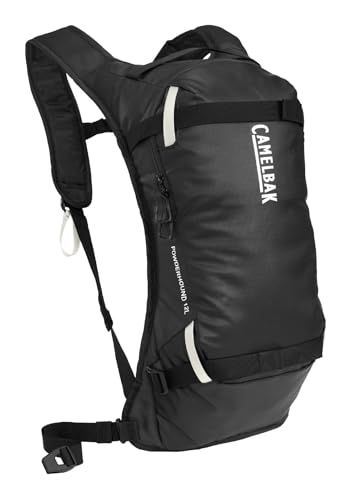 Best for skiers and snowboardersCamelBak Powderhound 12 Hydration Pack 70ozView on Amazon
Our Top Picks
| Product | Best for | Key feature |
|---|---|---|
| CamelBak Zoid Hydration Pack 70oz | Snow days and minimalist carry | Freeze-resistant hydration in winter conditions |
| CamelBak Stoaway Hiking Hydration Pack 100oz | Long cold-weather hikes | 100 oz capacity with freeze protection |
| CamelBak Snoblast 22 Hydration Pack 70oz | Winter riders who carry extra gear | Quick access to packed items |
| CamelBak Powderhound 12 Hydration Pack 70oz | Skiing and snowboarding | Ski or snowboard carry options and fast lift access |
CamelBak Zoid Hydration Pack 70oz
CamelBak Zoid Hydration Pack 70oz, Black/White | Minimalist Hydration for Snow Days, Cold‑Weather Hydration You Can Trust, Prevents Freezing in Winter Conditions
Best for: Minimalist cold-weather hydration on snow days
This pack suits riders and hikers who want a slim load and a hydration system built to keep water from freezing. If you carry only essentials and want the reservoir to stay usable through a cold outing, this is the most direct match among the four.
Key specs
- 70 oz (about 2.1 L) hydration capacity
- Marketed as freeze-resistant for winter conditions
- Minimalist, low-profile carry design
Pros
- Designed around cold-weather freeze resistance
- Low profile that sits close to the body
- Capacity suits day trips and shorter rides
Cons
- Limited room for extra layers or a full kit
- 70 oz may be short for all-day efforts in extreme cold
Bottom line: Pick this if you want the simplest winter setup and mostly carry water and a few essentials.
View on AmazonCamelBak Stoaway Hiking Hydration Pack 100oz
CamelBak Stoaway Hiking Hydration Pack 100oz, Black | Efficient Hydration with Every Sip, All Season Temperature Regulation, Freeze Protection in Cold Weather
Best for: Long cold-weather hikes that need more water
The 100 oz capacity makes this the most water-focused option in the lineup. It fits hikers and riders who are out for many hours and need to carry enough fluid without refilling, especially when cold air makes drinking less frequent but still necessary.
Key specs
- 100 oz (about 3 L) hydration capacity
- Listed with freeze protection for cold weather
- Designed for all-season temperature regulation
Pros
- Largest capacity of the four picks
- Suited to extended hikes and long outings
- Freeze protection is part of the core design
Cons
- Full reservoir adds noticeable weight
- Larger footprint than the minimalist options
Bottom line: Choose this for long winter hikes where water volume matters more than a slim profile.
View on AmazonCamelBak Snoblast 22 Hydration Pack 70oz
CamelBak Snoblast 22 Hydration Pack 70oz, Grey/Orange | Hydration That Resists Freezing, Built for Harsh Winter Environments, Quick Access to Packed Gear
Best for: Winter riders who want quick access to gear
The Snoblast line is built for harsh winter environments, and the 22 size gives room for layers, a small repair kit, and a snack without making the pack bulky. It suits riders who stop often and want to reach items without unpacking.
Key specs
- 70 oz (about 2.1 L) hydration capacity
- Built for harsh winter environments
- Quick-access storage for packed gear
Pros
- Room for extra gear alongside water
- Quick access suits frequent stops
- Designed specifically for winter conditions
Cons
- Heavier than the minimalist Zoid when fully loaded
- Gear pockets add bulk for very light trips
Bottom line: A strong pick for riders who carry a layer and tools and want them easy to reach in the cold.
View on AmazonCamelBak Powderhound 12 Hydration Pack 70oz
CamelBak Powderhound 12 Hydration Pack 70oz, Black/White | Hydration That Resists Freezing, Built for Snow Conditionsecure Ski or Snowboard Carry Options, Fast Access on the Lift
Best for: Skiers and snowboarders
This pack is aimed at people who spend the day on snow and need hydration without giving up mobility. The 12 size keeps the load compact, and the ski and snowboard carry options help when you are moving between runs or lift lines.
Key specs
- 70 oz (about 2.1 L) hydration capacity
- Designed for snow conditions with freeze resistance
- Ski or snowboard carry options
Pros
- Built specifically for snow sports
- Compact size that fits under a jacket
- Carry options help on lifts and between runs
Cons
- Smaller capacity for full days of hard exertion
- Less storage than the Snoblast 22
Bottom line: The right choice for resort skiers and snowboarders who want hydration that stays out of the way.
View on AmazonBuying Guide
Freeze resistance and insulation
Look for a pack that names freeze resistance or cold-weather construction in its listing. Insulated tubes and bite valves that resist icing matter more than the reservoir alone, because a frozen mouthpiece blocks flow even when the water inside is liquid. Manufacturers often describe these features in general terms, so read the listing and compare what each model claims.
Good picks for this: CamelBak Zoid Hydration Pack 70oz, CamelBak Snoblast 22 Hydration Pack 70oz
Capacity and how long you will be out
Match the reservoir to your longest expected outing. A 70 oz reservoir works for a few hours of moderate activity, while 100 oz gives more margin on long hikes. Remember that cold air can change drinking habits, so plan water by time and effort rather than by thirst alone.
Good picks for this: CamelBak Stoaway Hiking Hydration Pack 100oz, CamelBak Zoid Hydration Pack 70oz
Fit, torso length and comfort
A pack that rides too high or too low will shift and chafe. Measure from the base of your neck to the top of your hip bones to estimate torso length, and check that the shoulder straps and hip belt (where fitted) sit comfortably over a thick layer. Fit matters even more when you wear a bulky winter jacket.
Good picks for this: CamelBak Powderhound 12 Hydration Pack 70oz, CamelBak Zoid Hydration Pack 70oz
Storage and quick access
If you carry a shell, gloves, a repair kit, or snacks, check pocket layout and zipper placement. Pockets that open from the side or front let you grab items without removing the pack. Consider how often you stop and what you need on the move.
Good picks for this: CamelBak Snoblast 22 Hydration Pack 70oz, CamelBak Powderhound 12 Hydration Pack 70oz
Activity type
Skiing and snowboarding call for a compact, close-fitting pack that does not interfere with turns or lift access. Hiking and winter trail use often favor more capacity. Riding in snow sits between the two, where the pack needs to handle wet conditions and frequent stops.
Good picks for this: CamelBak Powderhound 12 Hydration Pack 70oz, CamelBak Stoaway Hiking Hydration Pack 100oz
Durability and materials
Winter gear sees cold, moisture, and abrasion from snow and rock. Look for reinforced stress points and water-resistant fabrics as described in the product details. Check that the reservoir and tube are made from materials the manufacturer rates for low temperatures.
Good picks for this: CamelBak Stoaway Hiking Hydration Pack 100oz, CamelBak Snoblast 22 Hydration Pack 70oz
Care and cleaning
Dry the reservoir and tube completely after each use. Moisture left inside freezes and can crack components or encourage odor. Cleaning on a regular schedule keeps the bite valve working. Keep the reservoir off hard surfaces in very cold conditions so it does not stiffen and crack.
Good picks for this: CamelBak Zoid Hydration Pack 70oz, CamelBak Powderhound 12 Hydration Pack 70oz
FAQ
Will a CamelBak winter hydration pack keep water from freezing?
Freeze-resistant designs help slow freezing, but no pack guarantees water stays liquid in every condition. Keep the pack close to your body, blow air back through the tube after drinking, and store the reservoir inside your layers when you are not using it.
How do I stop the bite valve from freezing?
After each sip, blow back into the tube to clear water from it. Tuck the hose under a jacket or inside a insulated sleeve. Some riders also keep the mouthpiece warm by placing it inside a collar when not drinking.
Which size should I choose for a day on the snow?
For a few hours of moderate activity, 70 oz is often enough. For full days or hikes with little access to water, 100 oz gives more margin. Consider how far you will be from a refill point.
Can I use a hydration pack for skiing?
Yes, compact models designed for snow sports are built for it. Look for carry options for skis or a snowboard and a fit that does not shift during turns.
How often should I clean the reservoir?
Clean it after heavy use and whenever you notice odor or taste changes. Always dry it fully before storage. Manufacturers typically describe cleaning steps in their manuals, so follow those instructions.
Do I need a winter-specific pack or can I use a standard one?
Standard packs can work in mild cold, but winter-specific models add freeze-resistant features and insulation. If you ride or hike in sub-freezing conditions regularly, a cold-weather design is the safer choice.
Conclusion
For most cold-weather riders, the CamelBak Zoid Hydration Pack 70oz offers the most direct winter-focused, low-profile setup. Choose the CamelBak Stoaway Hiking Hydration Pack 100oz for long hikes that demand volume, the CamelBak Snoblast 22 Hydration Pack 70oz if you need quick access to gear, and the CamelBak Powderhound 12 Hydration Pack 70oz for skiing and snowboarding. Match the pick to your activity length, load, and fit before you buy. If you have a medical condition that affects fluid intake, consult a healthcare professional about how much water you need in cold conditions.
Sources
- Guidance on hydration needs and cold-weather health risks (cdc.gov)
- Workplace guidance on hydration and cold-weather work safety (osha.gov)
- Consumer safety information on cold-weather equipment and product recalls (cpsc.gov)
Related reading
- 5 Best CamelBak Snoblast Hydration Packs Compared for Winter Riding (2026)
- Top 7 CamelBak Lightweight Hydration Packs for Trails and Rides
- Ladies CamelBak Hydration Pack: 5 Best Options Compared (2026)
- How to Use a CamelBak Hydration Pack: 6 Steps From Fill to First Sip
- How to Clean CamelBak Hydration Pack: 6 Steps for a Fresh Bladder
- Camelbak Hydration Pack Sale: Where to Find Deals and What to Check First
- Camelbak Hydration Pack Cycling: How to Choose and Use One (2026)
- CamelBak Rogue Hydration Pack 85 Oz: Is It the Right Pack for You?
About Colin Foster
Colin Foster is part of our editorial team and reviews and edits our backpacks & packing systems guides, checking product details against manufacturer specifications and owner feedback.