By Colin Foster
A camel backpack for hiking, meaning a pack with an integrated hydration bladder and drink tube, wins for hikers who sip often and want both hands free on the trail. A standard daypack paired with hard bottles or a soft flask suits people who want simpler cleaning, easier water tracking and more flexibility with pack shape. The right choice comes down to how much water you carry, how hot your hikes run and how much you mind fiddling with a bladder.
| Criterion | Camel backpack (hydration pack) | Daypack with separate bottles |
|---|---|---|
| Typical capacity range | Packs commonly sold in the 8 to 20 liter range, with a bladder of roughly 1.5 to 3 liters | Packs commonly in the 15 to 30 liter range, with water carried in 0.5 to 1 liter bottles |
| Access to water | Drink tube at the shoulder, sip while walking | Stop, unclip or unzip, then drink |
| Water visibility | Hard to see exact volume without pulling the bladder out | Easy to see, count and ration |
| Cleaning | Requires a bladder cleaning kit, drying hang time and occasional deep cleans | Bottles rinse quickly and go in the dishwasher |
| Pack space | Bladder takes the central back panel area | Full main compartment available for gear |
| Weight distribution | Water sits close to the spine, which often feels stable | Water location depends on where you stow bottles |
| Best for | Hot days, long climbs, frequent drinking | Mixed-use trips, cooler climates, hikers who track intake closely |
Water Access and Drinking Convenience
This is the main reason people buy a camel backpack for hiking. A bladder with a bite valve lets you take a sip while your hands stay on trekking poles, a railing or a camera. On steep grades, many hikers find they drink more consistently because the barrier to sipping is so low. Owners often report that they hydrate earlier in a climb rather than waiting until they feel thirsty, which matters in heat and at altitude.
Bottles require a stop. You shrug off the pack or reach behind you, twist a cap, drink and reseal. It takes perhaps 15 to 30 seconds per sip, which adds up over a day. For short, cool outings this is trivial. For a 10-hour summer day it becomes a real habit cost.
Winner: Camel backpack. For frequent, on-the-move drinking, the drink tube is hard to beat.
Cleaning, Maintenance and Hygiene
Bladders need more care than most hikers expect. Residue and biofilm can build up in the tube and bladder if they are not rinsed and dried. Most manufacturers recommend emptying the bladder after each use, rinsing with warm water, and hanging it open to air dry. Periodic cleaning with a bladder-specific brush and a mild cleaning tablet is standard advice. Owners who skip these steps often report off-tasting water or mildew smells.
Bottles are simpler. Most hard bottles and soft flasks clean with soap and water, and many are dishwasher-safe. You can see the inside, check for leftover residue and replace a worn lid without any special tools.
Consult the manufacturer’s care instructions for any bladder before first use, and avoid harsh chemicals on materials that may degrade.
Winner: Daypack with separate bottles. Cleaning is faster, easier to inspect and less likely to hide problems.
Capacity, Pack Space and Gear Organization
A bladder occupies the central back panel, the spot where many hikers want to stash a rain shell, insulation layer or first aid kit. Most camel backpack designs are built around this sleeve, so the main compartment can feel narrower than a comparable daypack. Some models include a separate pocket beside the bladder, but total usable volume is still lower in many cases.
A daypack with bottles in side or front pockets keeps the full main compartment open. You can pack bulky items, a hard-shell jacket and lunch without rearranging anything. For ultralight gear lists, where every liter counts, this flexibility matters.
When comparing packs, check the stated liter capacity and whether the figure includes or excludes the bladder compartment. Manufacturers do not always define this the same way.
Winner: Daypack with separate bottles. More usable space and easier organization for varied loads.
Water Tracking and Hydration Planning
Knowing exactly how much water you have left is a safety issue, not a convenience issue. Bottles make this obvious: you can see the level and plan refills at known water sources. Bladders are harder to read. Many have a translucent window, but it is still tricky to judge volume precisely while the pack is on your back.
A practical approach for either system is to calculate your needs before you leave. A common planning figure for moderate hiking is around 0.5 liters per hour in mild conditions, with higher needs in heat, at altitude or on steep climbs. Adjust based on your body, the weather and the route’s water sources. Consult a medical professional if you have a condition that affects fluid intake.
With a bladder, mark your planned refill points on the map and note your fill volume at each stop. With bottles, a simple habit of checking the level at each break works well.
Winner: Daypack with separate bottles, narrowly, because volume is visible at a glance. A disciplined bladder user can match this.
Weight, Balance and Comfort on the Trail
A bladder carries water close to your back, which many hikers describe as more stable than water hanging in side pockets. Side-pocket bottles can shift when you step over rocks and may pull the pack sideways if unevenly loaded. A well-balanced bladder pack with a sternum strap and hip belt can feel very steady.
Weight is roughly similar for equal water volumes, though a bladder itself adds a small amount of material. Specific pack weights vary widely by model, so compare the manufacturer’s stated figures rather than generalizing. The main comfort difference is the drink tube, which can rub or kink if routed poorly, and the bladder can slosh if not fully packed.
Winner: Camel backpack, for stability and a clean carry, provided the bladder fits your torso length.
Durability and Leak Risk
Bladder leaks are a known frustration. Common failure points include the bite valve, tube connectors and the bladder seam near the drain. Owners often report that a loose cap or a poorly closed valve causes most leaks, rather than the bladder failing outright. Storing the bladder with air trapped inside can also cause problems over time.
Hard bottles rarely leak if the cap is tightened, and soft flasks are generally durable though they can puncture. A leak in a daypack is usually limited to the bottle pocket, while a bladder leak can soak the entire back panel and pack contents.
Winner: Daypack with separate bottles, for lower risk of a wet pack.
Which Should You Choose?
- Choose a camel backpack for hiking if you drink frequently on the move, hike in heat or on long climbs, and want both hands free.
- Choose a camel backpack for hiking if you prefer a stable, back-hugging water load and do not mind cleaning and drying a bladder after each outing.
- Choose a daypack with separate bottles if you want to see exactly how much water you have at all times.
- Choose a daypack with separate bottles if you carry bulky layers, a full first aid kit or other gear that needs the main compartment.
- Choose a daypack with separate bottles if you prefer simple, quick cleaning and fewer parts to maintain.
- Choose a daypack with separate bottles for cool-weather or short hikes where frequent sipping is not essential.
Here are representative options in each category. Check current availability and specifications before buying.
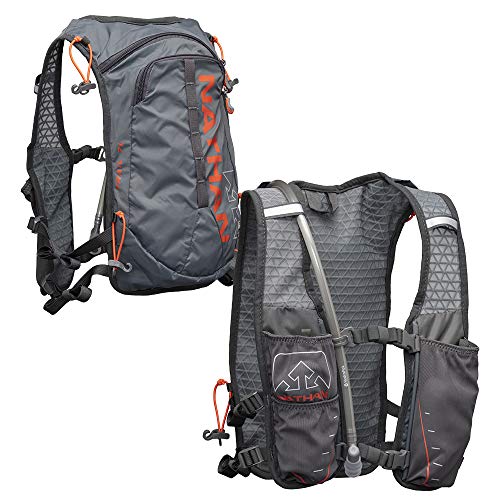
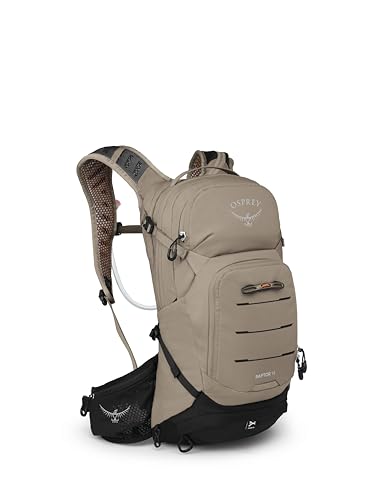
For a bladder-based option, consider the Osprey Hydraulics line, which has been widely sold with integrated reservoirs. View on Amazon
For a bottle-friendly option, consider the Osprey Daylite daypack, which includes side pockets sized for standard bottles. View on Amazon
If you are also comparing weather-focused packs, see 9 Best North Face Waterproof Daypack Options for Wet Weather Hiking for options that handle rain well.
FAQ
Is a camel backpack for hiking better than a water bottle?
It depends on how often you drink. A bladder lets you sip without stopping, which suits hot or steep routes. Bottles are easier to clean and track, which suits cooler or shorter hikes.
How often should I clean a hydration bladder?
Empty and rinse it after every use, dry it fully with the valve open, and deep clean it with a bladder brush and cleaning tablet periodically. Follow the manufacturer’s guidance for your specific model.
How much water should I carry on a day hike?
A common planning figure is around 0.5 liters per hour in mild conditions, with more needed in heat or at altitude. Plan refills around known water sources. Consult a medical professional if you have a condition affecting fluid intake.
Can I use a camel backpack for hiking in winter?
Yes, but the drink tube can freeze. Many owners use insulated tube sleeves, blow air back through the tube after drinking, or switch to bottles in very cold conditions.
Do bladder packs leak more than bottle packs?
Leaks in bladder systems usually come from loose caps, worn valves or poorly seated connectors rather than the bladder itself. Checking the seals before each trip reduces the risk considerably.
Conclusion
A camel backpack for hiking earns its place for frequent drinkers, hot-weather hikers and anyone who values hands-free sipping on steep or demanding routes. A daypack with separate bottles is the better pick for visible hydration tracking, easier cleaning and maximum main-compartment space. Match the system to your typical hike, and you will spend less time thinking about water and more time on the trail.
Related reading
- Waterproof Backpack for Hiking: How to Choose One That Keeps Gear Dry
- Water Resistant Hiking Backpack: How to Choose One That Keeps Gear Dry
- North Face Backpack Hiking: How to Pick the Right Pack in 6 Steps
About Colin Foster
Colin Foster is part of our editorial team and reviews and edits our backpacks & packing systems guides, checking product details against manufacturer specifications and owner feedback.