By Colin Foster
Choosing the best bicycle hydration pack comes down to how you ride. A short commute on paved streets asks for something different than a three-hour singletrack loop in July heat. This guide compares five packs across the features that matter most on the bike: capacity, how the reservoir sits against your back, whether the pack shifts when you stand on the pedals, how easy it is to drink without looking, and how well it handles heat. The picks run from lightweight vest-style carriers to higher-capacity packs for long days out. Each recommendation reflects published specifications, brand reputation and common patterns in owner feedback. None of these products were tested by us, so treat the notes as a starting point and check the details against the manufacturer’s listing.
Our Top Picks
Quick Comparison
| Product | Best for | Key feature |
|---|---|---|
| CamelBak Hydrobak Bike Hydration Pack | Riders who want a light, cool pack for moderate rides | Breathable back panel with a low-profile carry |
| CamelBak Mule 12 Bike Hydration Pack 100oz | All-day riders who need high water capacity | 100 oz reservoir with targeted cooling |
| Arvano Bike Backpack Small Mountain Biking Backpack | Riders who carry a few extras on short trail rides | 6 liter volume with a compact daypack shape |
| Lightweight Hydration Backpack with 2L Water Bladder | Budget-minded riders and casual trail users | 2 liter bladder included in a small daypack |
| Osprey Seral 4L Biking Waist Pack with Hydraulics Reservoir | Riders who want no pack on their back | Waist-mounted carry with a hydraulics reservoir |
CamelBak Hydrobak Bike Hydration Pack, Black/Graphite

CamelBak Hydrobak Bike Hydration Pack, Black/Graphite | Efficient Hydration with Every Sip, Lightweight, No‑Distraction Carry, Cool, Breathable Comfort
This pack suits riders who want to drink regularly on moderate rides without feeling weighed down. Its low profile and breathable back panel make it a sensible choice for warm weather and for riders who dislike bulky packs.
Key specs
- Hydration pack designed for cycling
- Black and graphite colorway
- Lightweight build with a cool, breathable back panel
Pros
- Low-profile fit that stays out of the way when you lean forward
- Breathable back panel helps reduce trapped heat
- Easy access to the drinking tube while riding
Cons
- Capacity suits shorter rides better than all-day efforts
- Limited room for extra gear beyond tools and a small layer
CamelBak Mule 12 Bike Hydration Pack 100oz, Deep Sea

CamelBak Mule 12 Bike Hydration Pack 100oz, Deep Sea | Redesigned for All Day Riding Comfort, High Capacity Hydration Efficiency, Targeted Cooling on Hot Rides
This is the option for riders who spend long hours in the saddle and need to carry a full day’s water. The 100 oz capacity and a cooling-focused back design make it a strong pick for hot climates and long gravel or trail days.
Key specs
- 100 oz (roughly 3 liter) hydration capacity
- Deep Sea colorway
- Designed for all-day riding comfort with targeted cooling
Pros
- Large capacity reduces the need for mid-ride refills
- Cooling-oriented back design suits hot rides
- Comfort focus helps it stay stable on rough terrain
Cons
- Full reservoir adds noticeable weight on the back
- Larger footprint than vest-style packs for short rides
Arvano Bike Backpack Small Mountain Biking Backpack 6L
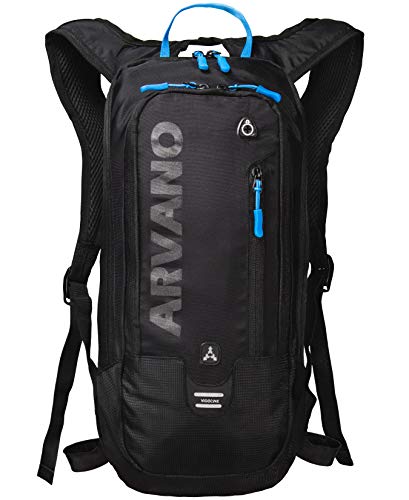
Arvano Bike Backpack Small Mountain Biking Backpack Lightweight 6l Daypack for MTB Cycling, Hiking, Skiing, Snow Bicycle for Men, Women
This daypack fits riders who want room for a jacket, snacks, a spare tube and a tool roll, with a hydration option built in. It works across mountain biking, hiking and skiing, so it suits people who use one bag for several activities.
Key specs
- 6 liter volume
- Lightweight small daypack design
- Marketed for mountain biking, cycling, hiking and skiing
Pros
- Enough space for a layer and basic repair kit
- Compact shape keeps the load close to the back
- Versatile across several outdoor activities
Cons
- 6 liters is tight for longer rides with full gear
- Hydration capacity is modest compared with dedicated hydration packs
Lightweight Hydration Backpack with 2L Water Bladder

Lightweight Hydration Backpack, Running Backpack with 2L Water Bladder | Hydro Water Daypack, Small Hiking Backpack for Cycling Hiking Rave for Men Women
This is a practical option for casual riders, commuters and anyone who wants a basic hydration pack without spending heavily. It carries a 2 liter bladder, which covers most shorter outings in moderate temperatures.
Key specs
- 2 liter water bladder included
- Small daypack-style hydration backpack
- Lightweight construction for running, cycling and hiking
Pros
- Includes a bladder, so no separate purchase is needed
- Light enough for short rides and casual use
- Simple layout that is easy to fill and clean
Cons
- Generic build may not match the fit of brand-name bike packs
- 2 liters may not be enough for hot or long rides
Osprey Seral 4L Biking Waist Pack with Hydraulics Reservoir

Osprey Seral 4L Biking Waist Pack with Hydraulics Reservoir, Black OS | bike backpack, cycling gear, mountain biking, commuter ride, hydration pack, water bladder, water reservoir, fanny pack
This waist-mounted option suits riders who dislike anything on their back. The hydraulics reservoir sits in a belt-style carry, which keeps the torso free and helps airflow on hot days.
Key specs
- 4 liter capacity
- Waist pack format with hydraulics reservoir
- Black, one-size design
Pros
- No load on the shoulders or back
- Good airflow across the back during climbs
- Keeps small items within reach
Cons
- Limited room for bulky layers or larger loads
- Hip-mounted weight can shift on rough descents for some riders
Buying Guide
Selection Criteria
Start with ride length and temperature. A ride under ninety minutes in mild weather may need only 1 to 2 liters of water. A full day in hot conditions can call for 3 liters or more, plus electrolytes. Next, think about what else you carry: a spare tube, a multitool, a phone, a rain shell and food each take space. Finally, consider fit. A pack that bounces or rubs will go unused no matter how good its specs look.
Important Features
- Reservoir capacity. Common sizes run from about 1.5 to 3 liters. Choose a size you can fill and carry comfortably.
- Back panel design. Look for ventilation channels or a mesh panel if you ride in heat.
- Drink tube routing. A magnetic or clip-on bite valve keeps the tube from flapping at speed.
- Pack volume. Under 6 liters suits minimal kit. Over 10 liters suits multi-hour trips with extra layers.
- Waist versus back carry. Waist packs keep weight off the shoulders, while back packs distribute load over the torso.
Specs to Check
Confirm the reservoir size in ounces or liters, the total pack volume, whether a bladder is included, the strap adjustment range and the weight of the empty pack. Manufacturers usually list these on the product page. If a detail is missing, assume you will need to verify it before buying.
Choosing by Need
- Short commutes and casual rides: a small pack with a 2 liter bladder or a light vest-style carry.
- Long trail or gravel days: a high-capacity pack with cooling features and room for food.
- Riders who want a mixed-use bag: a small daypack that handles biking, hiking and general carry.
- Riders who hate back weight: a waist-mounted reservoir system.
Things to Watch Out For
- Overfilling the reservoir can make the pack swing at speed. Fill it to a level you can balance.
- Generic packs may not fit well across different body shapes. Check the strap and torso sizing.
- Cleaning a bladder regularly prevents odor and mold. Follow the manufacturer’s cleaning instructions.
- Hydration needs vary with body size, sweat rate and climate. If you have a medical condition that affects fluid intake, consult a doctor for guidance.
FAQ
How much water should I carry on a bike ride?
Many riders plan around roughly 0.5 to 1 liter per hour in warm weather, though needs vary widely. Start with a conservative estimate, then adjust after a few rides. Consult a professional if you have a condition that affects fluid balance.
Is a hydration pack better than bottles on the frame?
A pack lets you carry more water and extra gear, while frame bottles keep weight off your back. Bottles are simpler and better for short rides. Packs suit longer efforts or remote routes.
What size reservoir do most riders need?
For rides under two hours in mild conditions, a 1.5 to 2 liter reservoir is usually enough. For longer or hotter rides, 3 liters or more can make sense.
Do hydration packs make you sweat more?
A pack sits against the back, which can increase sweat in that area. Packs with ventilated back panels tend to reduce this, but the effect differs from rider to rider.
How do I clean a hydration bladder?
Rinse after every use, then wash with warm water and a mild soap or a cleaning tablet recommended by the manufacturer. Dry the bladder and tube fully with the cap open to prevent mold.
Can I use a running hydration pack for cycling?
Yes, many running packs work for cycling, but a bike-specific pack usually offers better fit with a riding posture and less bounce. Check whether the pack has a sternum or hip strap that stays stable when you lean forward.
Should I choose a waist pack or a back pack?
Choose a waist pack if you want no load on your shoulders and you carry only light items. Choose a back pack if you need more capacity and storage.
Conclusion
The best bicycle hydration pack depends on your ride length, climate and the amount of gear you carry. The CamelBak Mule 12 suits riders who need a full day of water, while the CamelBak Hydrobak fits moderate rides where comfort and airflow matter most. The Arvano daypack works for riders who want space for extras, and the Lightweight Hydration Backpack with 2L Water Bladder suits casual use. The Osprey Seral waist pack is the right pick if you prefer nothing on your back. Match the pick to your typical ride, check the specs against the manufacturer’s listing, and fit the pack before committing to long days out.
Related reading
- 7 Best Top Rated Running Hydration Packs (2026): Expert Picks
- Travel Pack With Daypack: 5 Best Options for Trips in 2026
- Best Backpack for Through Hiking: How to Choose the Right Pack for a Long Trail
- North Face Backpack Hiking: How to Pick the Right Pack in 6 Steps
About Colin Foster
Colin Foster is part of our editorial team and reviews and edits our backpacks & packing systems guides, checking product details against manufacturer specifications and owner feedback.