 By Colin Foster
Updated November 2026
The best backpack for hiking camping is the one that carries your full kit comfortably for the length of your trip, with the right volume and a fit that transfers weight to your hips. This guide walks through how to size a pack for overnight and multi-day use, what features matter on the trail, and how to pack so the load stays stable. You will finish with a short list of criteria you can check against any pack you are considering.
Start With Your Trip Length and Base Weight
Volume is the first decision, and it follows from how many nights you plan to be out. Most hikers find that a pack between 35 and 50 liters covers two to four nights of camping gear, while anything above 60 liters is usually reserved for longer trips or winter loads with bulky insulation. Before you shop, add up the base weight of your shelter, sleep system, cooking kit, and clothing. A base weight under about 15 pounds generally allows a smaller, lighter pack, while heavier loads need a frame that can carry the weight without collapsing into your shoulders.
Shopping for one? See our guide: 4 Best Hiking Backpack Women's (2026): Expert Picks.
Check Fit and Torso Length
A pack that fits poorly will hurt on the trail regardless of how good its features are. Measure your torso by locating the bony bump at the base of your neck (C7 vertebra) and the top of your iliac crest, then pick a pack whose torso range matches that number. Most manufacturers list sizes such as S, M, and L by torso length rather than by your overall height. Load the pack with about 20 pounds before you judge the fit, because the hip belt should carry most of that weight without the shoulder straps pulling backward.
Evaluate Load Support and Frame Design
Frame type determines how well a pack handles heavier loads. Internal frames with aluminum stays or a sheet of HDPE work well for loads from roughly 20 to 40 pounds, while frameless or lightly framed packs suit ultralight kits under about 15 pounds. Look for a padded hip belt, load lifter straps that pull the top of the pack toward your shoulders, and a sternum strap that keeps the straps from slipping. The hip belt should be wide enough to wrap your iliac crest without pinching.
Look for Camping-Specific Features
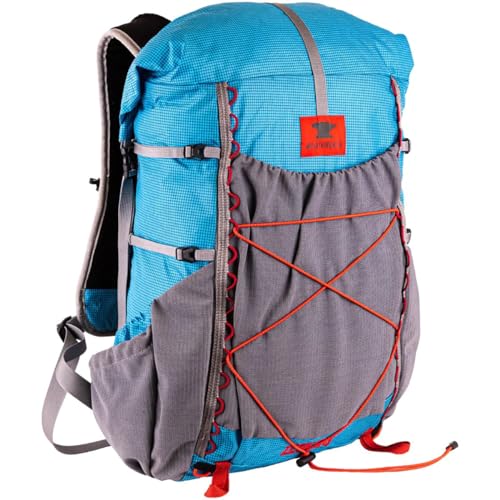
Camping adds needs that a day pack does not cover. A bottom-access sleeping bag compartment lets you reach a sleeping bag without digging through the main body. Side compression straps help secure a sleeping pad or tent poles, and external attachment points let you carry a stuff sack or wet rain shell. Check that the top lid or front pocket is large enough for a map, headlamp, and snacks, since you will reach for these frequently on the trail.
Packing Steps for a Stable Load
- Place the sleeping bag in the bottom compartment or at the base of the main body.
- Put your heaviest items, such as food and cook kit, in the center and close to your back.
- Stow lighter bulky items like the tent body and clothing around the outer edges.
- Attach the sleeping pad to the outside compression straps or the bottom of the pack.
- Keep water, rain gear, and frequently used items in the top lid or side pockets.
Common Mistakes
- Buying by volume alone and ignoring torso length, which leads to a poor hip belt fit.
- Choosing a frameless pack for a heavy winter load.
- Packing heavy items low or far from your back, which pulls your center of gravity off balance.
- Skipping a test walk with the loaded pack before a long trip.
- Overpacking “just in case” items that add weight without real use.
Recommended Gear
- A roll-top liner keeps the sleeping bag and clothing dry if rain hits during a river crossing or camp setup. View on Amazon
- A packing cube set separates clothing, food, and electronics so you can find items without unpacking everything. View on Amazon
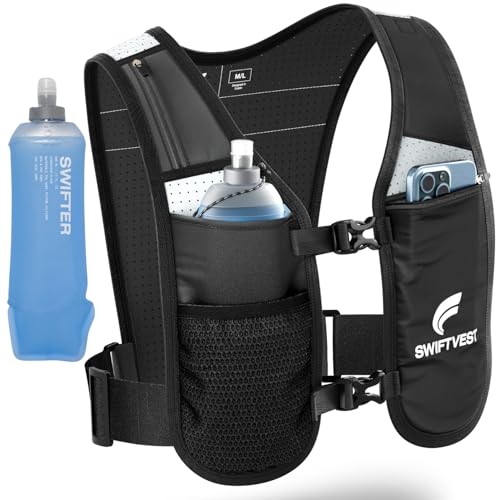
- A hydration reservoir keeps water accessible while you walk, reducing stops to dig for bottles. View on Amazon
For deeper reading on fit and load support, see What Makes a Good Hiking Backpack: Fit, Capacity, and Load Support. If you want a smaller pack for lighter kits, Ultra Lightweight Hiking Backpack Picks: 5 Best Options Compared (2026) covers that category, and Best 40l Hiking Backpack: 5 Factors and Top Picks for Trail Use (2026) is useful if you are sizing for a two- to three-night trip.
FAQ
What size backpack do I need for a two-night camping trip?
Most people find a pack between 35 and 45 liters handles two nights of camping gear comfortably. Lighter kits can fit in the lower end of that range, while bulkier sleeping gear may push you toward the higher end.
Does torso length matter more than height?
Yes. Torso length determines where the hip belt sits, and a mismatch causes most fit problems. Measure from your C7 vertebra to the top of your iliac crest, then choose a size that matches.
Can I use a day hiking pack for camping?
Only for very short trips with minimal gear. Day packs usually lack a sleeping bag compartment, load support for heavier kits, and enough volume for a tent and sleep system. Consult a professional fitter if you are unsure about your load and fit.
Conclusion
The best backpack for hiking camping matches volume to your trip length, fits your torso, and supports the weight you actually carry. Measure your base weight and torso before you shop, and test any pack with a load before committing. A well-fitted pack with the right features will carry you comfortably for many trips.
Related reading
- Top 7 Ladies Small Hiking Backpack Picks for Every Trip
- Top 4 Day Hiking Backpacks with Hydration Picks for Trail Days
- Osprey Hiking Backpack Women: 5 Best Picks Compared for Trail Use (2026)
- Hiking Backpack with MOLLE: 4 Best Picks Compared for Trail Use (2026)
Ready to choose one?
About Colin Foster
Colin Foster is part of our editorial team and reviews and edits our backpacks & packing systems guides, checking product details against manufacturer specifications and owner feedback.