 By Graham Fisher
Updated November 2026
Packing a backpack for hiking comes down to three things: putting heavy items close to your back and between your shoulder blades, keeping the load centered over your hips, and placing the things you need during the day where you can reach them without unpacking. Follow the steps below and your pack will ride comfortably for hours instead of pulling on your shoulders by mile three. If you are still choosing a pack, see our guide to Mystery Ranch Hiking Backpack Guide: Sizing, Fit and Packing Tips for sizing basics first.
Start With a Packing Order That Works
Most of the weight in a hiking pack should sit in the middle section, close to your spine. Your sleeping bag or other lightweight bulk goes at the bottom, and your heaviest items, such as food, water reservoirs, and a stove, go in the center. Clothing and soft items fill gaps and the top lid holds small things you grab often.
Shopping for one? See our guide: 4 Best Hiking Backpack Women's (2026): Expert Picks.
Load Order, Bottom to Top
- Sleeping bag or quilt in the bottom compartment, if your pack has one.
- Extra clothing and camp layers next, packed tight against the bottom.
- Heavy items (food bag, cook kit, fuel, water) in the center, against your back.
- Tent body or other medium-weight gear around the sides of the heavy core.
- Rain shell, map, snacks and first aid kit in the top lid or hip belt pockets.
Balance the Load Side to Side and Top to Bottom
Once the order is set, check balance. Stand with the pack on, then sway gently left and right. If one side pulls, shift a bottle or stuff sack to the other side. The top of the load should not sit more than a few inches above your shoulders, because high weight pulls backward and stresses your upper back.
For a quick sanity check, lift the pack by the haul loop and rock it. A balanced pack feels stable and does not tip forward or back. Compressing bulky items with the side straps keeps the load from shifting on uneven ground.
Packing a Hiking Backpack for Day-Specific Gear
Think in terms of access. Items you need at every stop, such as water, snacks and sunscreen, belong in pockets. Items you need once a day, like a jacket or headlamp, go in the top lid. Anything you will only touch at camp can sit at the bottom.
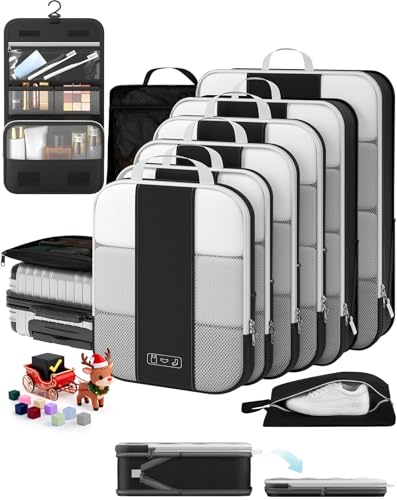
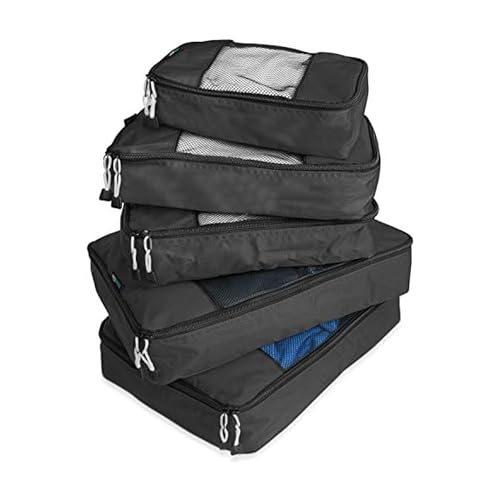
Use stuff sacks or packing cubes to group gear by use. Color-coding helps, and you will stop unpacking the whole pack to find one item. Our overview of Hiking Backpack with Internal Frame: How to Choose One in 6 Steps explains how frame design affects where weight should sit.
Tips for Packing a Hiking Pack on Multi-Day Trips
Longer trips add food and fuel, which change the weight distribution. Plan for food to drop by roughly the same amount each day, and pack the heaviest items so they are removed first without disturbing the rest. For trips of several days, see Multi Day Hiking Backpack: How to Choose One for 3–7 Day Trips for capacity planning.
Common Mistakes to Avoid
- Packing heavy items at the bottom, which makes the pack feel unstable.
- Filling the top lid with dense items that pull the load backward.
- Leaving gaps that let gear shift; compress with straps.
- Skipping the hip belt; roughly 70 percent of the load should rest on your hips when the belt is snug.
- Packing for the whole trip before a short test walk; do a loaded walk around the block first.
Recommended Gear
Packing cubes keep clothing and small items grouped, which makes the load easier to rearrange. View on Amazon
A dry bag or waterproof liner protects sleeping gear from rain and from water sloshing in the pack. View on Amazon
FAQ
Where should the heaviest items go in a hiking backpack?
Place the heaviest items in the center of the pack, close to your back and between your shoulder blades. This keeps the weight over your hips and reduces strain on your shoulders.
How do I know if my hiking pack is packed correctly?
A well-packed pack feels stable when you sway or rock it, and the hip belt carries most of the weight. If the pack pulls backward or sits too high, move weight lower and closer to your back.
Should I pack a hiking backpack the night before?
Packing the night before lets you test the load and fix balance issues before the trail. Weigh your pack and do a short loaded walk, and consult a professional guide or outfitter if you have a back condition.
Conclusion
Packing a hiking pack well means heavy items close to your back, balanced side to side, and everyday gear within easy reach. Work through the load order, check balance with a short walk, and adjust before you leave the trailhead. A few minutes of planning keeps the pack comfortable for the whole day.
Related reading
Ready to choose one?
About Graham Fisher
Graham Fisher is part of our editorial team and reviews and edits our backpacks & packing systems guides, checking product details against manufacturer specifications and owner feedback.