By Colin Foster
Updated November 2026
A hydration pack backpack for cycling carries water, a few tools and a layer or two without pulling on your shoulders or shifting on rough descents. The right choice depends on how long you ride, how hot it gets, and how much you need to carry beyond water. Here we compare three packs on bladder capacity, fit, storage layout, and how well each suits road, gravel, and trail riding. Every pick is based on manufacturer specifications, brand reputation, and patterns in owner feedback, not on hands-on testing.
Our top picks at a glance
- 1
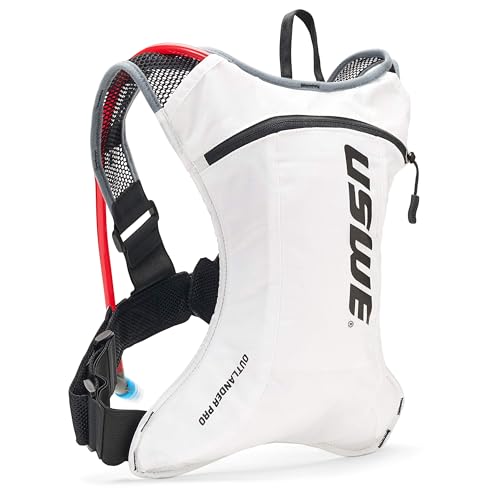
 TOP CHOICEBest overallLightweight Hydration Backpack, Running Backpack with 2L Water BladderView on Amazon
- 2
 Best for longer rides with more gearMARCHWAY Tactical Molle Hydration Pack Backpack with 3L TPU Water BladderView on Amazon
- 3
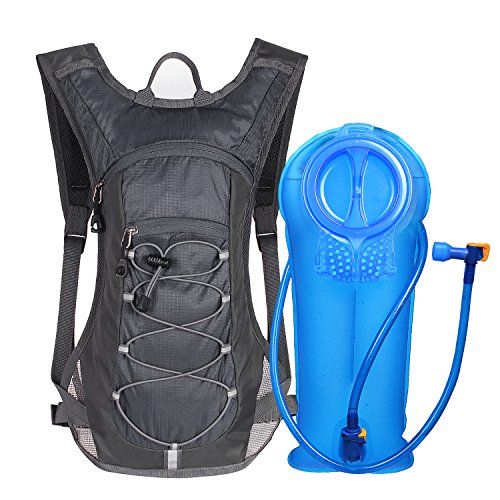 Best for a lighter, budget-minded setupUnigear Hydration Pack Backpack with 2L Water Bladder for Hiking & CyclingView on Amazon
Our Top Picks
| Product | Best for | Key feature |
|---|---|---|
| Lightweight Hydration Backpack, Running Backpack with 2L Water Bladder | Hydro Water Daypack | Short to medium rides and quick trips | 2L bladder in a compact daypack profile |
| MARCHWAY Tactical Molle Hydration Pack Backpack with 3L TPU Water Bladder | Long rides, hot weather, and extra gear | 3L bladder with MOLLE webbing for attachments |
| Unigear Hydration Pack Backpack with 2L Water Bladder for Hiking & Cycling | Budget-minded riders and mixed hiking use | 2L bladder with a 70 oz capacity listing |
Lightweight Hydration Backpack, Running Backpack with 2L Water Bladder | Hydro Water Daypack
Lightweight Hydration Backpack, Running Backpack with 2L Water Bladder | Hydro Water Daypack, Small Hiking Backpack for Cycling Hiking Rave for Men Women
Best for: Short to medium rides and quick trips where you want water without a bulky pack.
This is a small, streamlined daypack built around a 2-liter bladder. It suits riders who do one to three hours at a time and who carry only water, a tube, a pump, and a snack. Its low profile keeps it from catching wind on a road bike and sitting too high on the back during climbs.
Key specs
- Bladder capacity: 2 liters (per listing)
- Designed for running, cycling, and hiking use (per listing)
- Compact daypack format suited to light loads
Pros
- Light and low-profile, so it stays out of the way on the bike
- Bladder capacity is enough for most rides under about three hours in moderate heat
- Simple layout means less to organize before you ride
Cons
- Limited room for a spare layer, multi-tool, and food on longer rides
- 2 liters may run short on hot, high-effort days
Bottom line: A good match for riders who want a minimal, comfortable pack for shorter outings and do not need much storage beyond water and basic repair items.
View on AmazonMARCHWAY Tactical Molle Hydration Pack Backpack with 3L TPU Water Bladder
MARCHWAY Tactical Molle Hydration Pack Backpack with 3L TPU Water Bladder | Strong 1000D Nylon, Streamlined Fit, Organized Storage, Military Daypack for Cycling, Hiking, Running, Climbing, Hunting
Best for: Long rides, hot weather, and riders who carry extra gear.
This pack uses a 3-liter TPU bladder and MOLLE webbing, so you can add pouches or attachments as needed. It fits riders who go on longer efforts, ride in heat, or want room for a jacket and tools. The added capacity is the main reason to choose it over a 2-liter pack.
Key specs
- Bladder capacity: 3 liters (TPU bladder, per listing)
- Strong 1000D nylon construction (per listing)
- MOLLE webbing for attaching pouches
Pros
- 3-liter capacity covers longer or hotter rides with less need to refill
- MOLLE webbing lets you customize storage
- Durable nylon body suits rough trail use
Cons
- Heavier and bulkier than a minimal daypack, which can feel warm on hot days
- MOLLE-style packs can carry more weight than you need for short rides
Bottom line: The best choice among these three for riders who need more water and more storage, especially on longer or more demanding rides.
View on AmazonUnigear Hydration Pack Backpack with 2L Water Bladder for Hiking & Cycling
Unigear Hydration Pack Backpack with 2L Water Bladder for Hiking & Cycling | Lightweight Water Backpack For Running, Biking, Climbing And Camping, 70 Oz Bladder, Hydration Backpack For Hiking
Best for: Budget-minded riders and mixed hiking and cycling use.
This pack suits riders who want a practical, all-purpose hydration pack for both trail hiking and bike rides. It is a reasonable option for someone who is new to hydration packs and wants to see whether they will use one regularly before spending more.
Key specs
- Bladder capacity: 2 liters, listed as 70 oz (per listing)
- Designed for hiking, cycling, running, and camping (per listing)
Pros
- Versatile across hiking, cycling, and running
- 2-liter capacity is adequate for moderate rides
- Suited to a wide range of riders as a starting point
Cons
- Fewer high-end fit and adjustment features than premium packs
- Capacity may feel limited on very long or hot outings
Bottom line: A sensible starting point for riders who want an all-around hydration pack without committing to a premium model.
View on AmazonBuying Guide
Bladder capacity
Match bladder size to ride length and temperature. A 2-liter bladder works for most rides under about two to three hours in moderate conditions. For longer or hotter rides, a 3-liter bladder gives you more margin. Plan roughly half a liter per hour in warm weather as a starting estimate, and adjust based on how much you sweat.
Good picks for this: MARCHWAY Tactical Molle Hydration Pack Backpack, Lightweight Hydration Backpack
Fit and torso length
Torso length matters more than overall pack size. Measure from the bony bump at the base of your neck down to the top of your hip bones. Look for packs with adjustable shoulder straps and a sternum strap so the load sits close to your back and does not bounce on descents.
Good picks for this: Lightweight Hydration Backpack, Unigear Hydration Pack Backpack
Weight and load
Keep the packed weight low and close to your back. Carry only what you need for the ride: water, tube, pump, tools, and a light layer. A heavier pack adds fatigue on climbs and can affect handling on technical terrain.
Good picks for this: Lightweight Hydration Backpack, Unigear Hydration Pack Backpack
Storage layout
Look for a pocket that holds a tube and tools within easy reach, and a separate compartment for your layer so it does not get soaked by a leaking bladder. MOLLE webbing lets you add pouches, which is useful if you carry specific tools or a spare tube.
Good picks for this: MARCHWAY Tactical Molle Hydration Pack Backpack, Unigear Hydration Pack Backpack
Bladder design and cleaning
Check that the bladder opening is wide enough to fill and clean by hand. A removable bladder with a wide mouth is easier to dry and maintain. Many owners report that bladders with narrow openings are harder to fully dry, which can lead to odor.
Good picks for this: MARCHWAY Tactical Molle Hydration Pack Backpack, Lightweight Hydration Backpack
Durability and materials
Nylon fabrics with higher denier ratings generally resist abrasion better on rough trails. Check stitching at stress points like the shoulder strap anchors and bladder sleeve. Manufacturers often list fabric denier; higher numbers usually indicate heavier, tougher material.
Good picks for this: MARCHWAY Tactical Molle Hydration Pack Backpack, Unigear Hydration Pack Backpack
Care and drying
Rinse the bladder after each ride, and dry it fully with the cap off and the bladder hung open. Mold tends to start in damp corners, so take time with the tube and valve. Store the pack with the bladder out and the compartment open.
Good picks for this: Lightweight Hydration Backpack, Unigear Hydration Pack Backpack
FAQ
What size hydration pack do I need for cycling?
For rides under about two hours, a 2-liter bladder is usually enough. For longer or hot rides, a 3-liter bladder gives more margin. Your water needs depend on temperature, effort, and body size, so start with a conservative estimate and adjust after a few rides.
Is a hydration pack better than bottles on a bike?
It depends on the ride. A pack lets you carry more water and some gear, and it keeps your hands free on rough terrain. Bottles are lighter and easier to refill mid-ride. Many riders use a pack for trail rides and bottles for road riding.
How do I keep a hydration bladder from smelling?
Rinse the bladder after every use, dry it fully with the cap off, and clean it with a mild soap or cleaning tablet every few weeks. Make sure the tube is fully dry before storing the pack.
Can I use a running hydration pack for cycling?
Yes, many hydration packs are designed for multiple activities. Check the fit, since running packs are often built closer to the body. Make sure the pack does not interfere with your riding position or bounce on descents.
How much water should I carry on a bike ride?
Many sports nutrition guidelines suggest drinking to thirst and adjusting for heat and effort. In hot conditions, you may need a half liter or more per hour. Consult a sports medicine professional or registered dietitian if you have a medical condition that affects fluid needs.
Should I wear a hydration pack on a road bike?
A pack can add back strain and heat on a road bike, so many riders prefer bottles for road use. If you ride long distances or need to carry more than water, a low-profile pack can work well. Test the fit at your normal riding position before committing.
Conclusion
For a hydration pack backpack for cycling, the choice comes down to ride length, heat, and how much gear you carry. The Lightweight Hydration Backpack with 2L bladder fits short to medium rides and minimal loads. The MARCHWAY Tactical Molle pack with 3L bladder suits longer, hotter rides and riders who want to add attachments. The Unigear pack with 2L bladder offers a practical, budget-minded all-around option for mixed hiking and cycling. Choose based on your typical ride, and check fit before you buy.
Sources
- Guidance on hydration and heat illness prevention during physical activity (cdc.gov)
- Research summaries on fluid needs and exercise performance (nih.gov)
- Safety information on recreational equipment and product recalls (cpsc.gov)
Related reading
- Women's Running Hydration Pack: 3 Best Options for Every Run (2026)
- West Slope Hydration Pack: 4 Best Options Compared (2026)
- Water Buffalo Hydration Pack: 3 Best Options for Trail and Rave Days (2026)
About Colin Foster
Colin Foster is part of our editorial team and reviews and edits our backpacks & packing systems guides, checking product details against manufacturer specifications and owner feedback.