 By Colin Foster
Updated November 2026
Finding the best hydration hiking backpack comes down to matching the pack to how you actually hike. Length of outing, water volume, carry load, and how often you stop to drink all change the answer. In this guide we looked at four packs using manufacturer specifications, brand reputation, and the patterns owners commonly describe in their feedback. Our selection criteria were bladder capacity and fit, total pack volume, weight and load comfort, how easy the reservoir is to refill and clean, and how well the design suits day hikes versus longer treks.
Our top picks at a glance
- 1
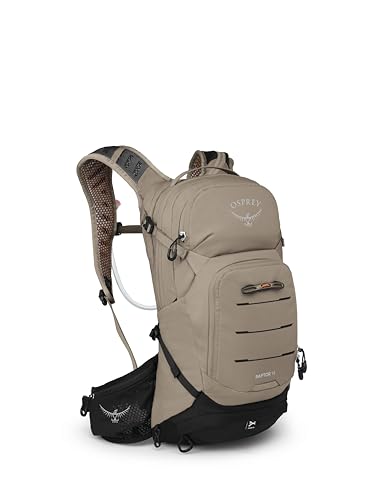
 TOP CHOICEBest overallN NEVO RHINO Hydration Backpack, 18L Hiking Backpack with 3L Water BladderView on Amazon
- 2
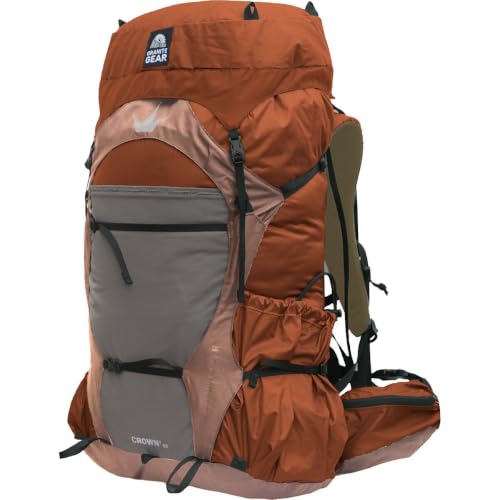
 Best for longer day hikesMaelstrom Lightweight Hydration Hiking Backpack with 2L Water BladderView on Amazon
- 3
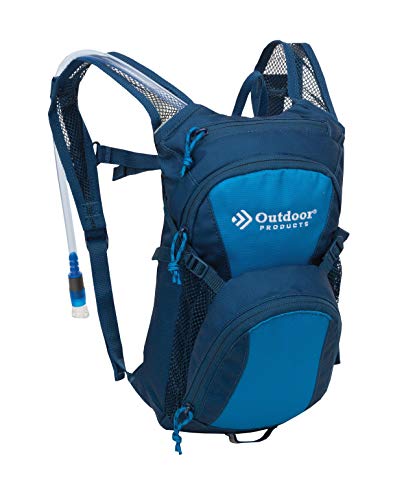
 Best budget pickLightweight Hydration Backpack, Running Backpack with 2L Water BladderView on Amazon
- 4
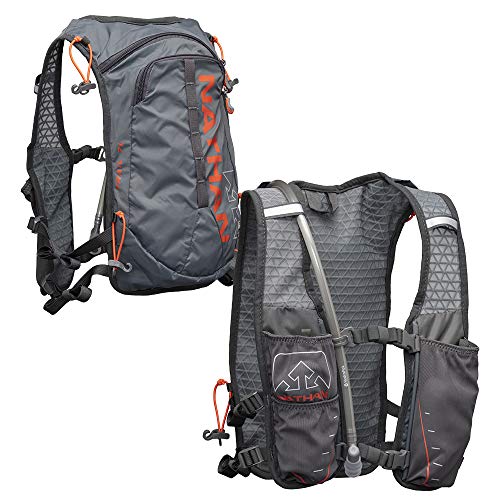
 Best for fast, light outingsMIYCOO Hiking Backpack with 2L Water BladderView on Amazon
Our Top Picks
Quick Comparison
| Product | Best for | Key feature |
|---|---|---|
| N NEVO RHINO Hydration Backpack, 18L Hiking Backpack with 3L Water Bladder | Full-day hikes and mixed trips | 3L bladder with 18L total volume |
| Maelstrom Lightweight Hydration Hiking Backpack with 2L Water Bladder | Longer day hikes with insulation needs | Insulated compartment for the reservoir |
| Lightweight Hydration Backpack, Running Backpack with 2L Water Bladder | Short trail runs and casual hikes | Compact, lightweight daypack build |
| MIYCOO Hiking Backpack with 2L Water Bladder | Fast, light outings and climbing approaches | Dual phone pockets and vest-style fit |
N NEVO RHINO Hydration Backpack, 18L Hiking Backpack with 3L Water Bladder
N NEVO RHINO Hydration Backpack, 18L Hiking Backpack with 3L Water Bladder | Multipurpose Water Backpack High Flow Bite, Insulated Hydration Pack Ideal for Hiking and Cycling
Best for: Full-day hikes where you want a larger bladder and room for extra layers.
This pack suits hikers who need more water than a 2-liter setup provides, especially in warm weather or on routes with few water sources. The larger total volume also leaves space for a shell, snacks, and a first-aid kit.
Key specs
- 18L total pack capacity
- 3L water bladder included
- Marketed as a high-flow bite valve hydration system
Pros
- Generous capacity for full-day outings
- 3L reservoir reduces refill stops
- Room for extra layers and emergency gear
Cons
- Heavier when full, which can add fatigue on steep climbs
- Larger volume may be more than short hikes need
Bottom line: A strong choice if you want one pack that covers long days and you carry a fair amount of water.
View on AmazonMaelstrom Lightweight Hydration Hiking Backpack with 2L Water Bladder
Maelstrom Lightweight Hydration Hiking Backpack with 2L Water Bladder | BPA-free, High Flow Bite, Insulated Compartment, Reflective Strip, Utility Pockets, Perfect for Running, Cycling, Marathon
Best for: Longer day hikes where keeping water cold matters.
This model is built for hikers who want a moderate-size pack with an insulated section for the reservoir. It works well when temperatures swing or when you expect the water to warm up during the day.
Key specs
- 2L water bladder included
- Insulated compartment for the reservoir
- Reflective strip and utility pockets
Pros
- Insulated compartment helps keep water cooler
- Utility pockets keep small items within reach
- Reflective detail adds visibility at dawn or dusk
Cons
- 2L bladder may need refilling on long, hot days
- Insulation adds some bulk to the pack
Bottom line: A good fit for hikers who value cold water and organized storage on mid-length outings.
View on AmazonLightweight Hydration Backpack, Running Backpack with 2L Water Bladder
Lightweight Hydration Backpack, Running Backpack with 2L Water Bladder | Hydro Water Daypack, Small Hiking Backpack for Cycling Hiking Rave for Men Women
Best for: Short hikes and trail outings on a tighter budget.
This is a light, compact daypack for people who hike short distances and want hydration without carrying much extra weight. It is also suited to trail running and quick local loops.
Key specs
- 2L water bladder included
- Lightweight running-style daypack build
- Small hiking pack format
Pros
- Light and easy to wear for extended periods
- Simple setup for short outings
- Accessible option for beginners
Cons
- Limited storage for multi-day or cold-weather gear
- 2L reservoir may be too small for hot, long hikes
Bottom line: Best for hikers who stick to short trails and want a simple, lightweight hydration pack.
View on AmazonMIYCOO Hiking Backpack with 2L Water Bladder
MIYCOO Hiking Backpack with 2L Water Bladder,Hydration Backpack for Running | Lightweight Running Vest Backpack with Dual Phone Pockets for Men Women, Hydro Water Daypack for Hiking, Cycling, Climbing
Best for: Fast, light outings and approaches that need quick access to your phone and water.
This vest-style pack fits close to the body, which suits scrambling, cycling-style movement, and quick hikes where you want minimal bounce. The dual phone pockets make it convenient for navigation and photos.
Key specs
- 2L water bladder included
- Dual phone pockets
- Vest-style hydration pack design
Pros
- Close-fitting vest design reduces bounce
- Dual phone pockets keep devices accessible
- Suitable for hiking, cycling, and climbing approaches
Cons
- Limited space for bulky layers or overnight gear
- Vest-style fit may not suit every torso length
Bottom line: A good pick for minimalist hikers who move quickly and carry only essentials.
View on AmazonBuying Guide
Bladder capacity and water needs
Estimate your water needs before you shop. Many hikers plan roughly half a liter per hour of moderate hiking, more in heat or at altitude. A 2-liter bladder suits shorter outings or routes with frequent water sources, while a 3-liter bladder gives more margin on long, dry days. Check the bladder volume listed by the manufacturer rather than relying on the total pack size.
Good picks for this: N NEVO RHINO Hydration Backpack, Maelstrom Lightweight Hydration Hiking Backpack
Total pack volume and organization
Total volume should leave room for layers, food, a first-aid kit, and navigation tools beyond the water. Look for interior sleeves, a dedicated pocket for a phone, and a hip or chest strap that keeps the load stable. Good organization means you can reach snacks and a map without unloading the whole pack.
Good picks for this: MIYCOO Hiking Backpack, N NEVO RHINO Hydration Backpack
Bite valve and flow design
A bite valve with easy flow matters more than most buyers expect. Manufacturers often describe high-flow valves as reducing the effort needed to drink while moving. Test the hose routing too: it should clip near the shoulder strap and stay in place when you turn your head.
Good picks for this: Lightweight Hydration Backpack, Maelstrom Lightweight Hydration Hiking Backpack
Fit and torso length
Fit affects comfort more than any single feature. Measure your torso from the base of the neck to the top of the hip bones and compare it with the manufacturer’s size chart. Vest-style packs fit differently than framed packs, so try to wear the pack loaded if you can before committing to a long hike.
Good picks for this: MIYCOO Hiking Backpack, Lightweight Hydration Backpack
Temperature and insulation
If you hike in warm weather, insulation can keep water cooler for longer. An insulated compartment for the reservoir helps when the trail is exposed to sun. In cold conditions, consider a bite valve cover and keep the hose inside a layer to reduce freezing.
Good picks for this: Maelstrom Lightweight Hydration Hiking Backpack, N NEVO RHINO Hydration Backpack
Weight and load comfort
Remember that a full reservoir adds significant weight. Water weighs about one kilogram per liter, so a 3-liter bladder adds roughly 3 kilograms when full. Keep the pack’s empty weight low, and make sure the hip belt or waist straps transfer load comfortably.
Good picks for this: Lightweight Hydration Backpack, MIYCOO Hiking Backpack
Cleaning and durability
Choose a bladder with a wide opening so you can dry and clean it fully. Check whether the reservoir is removable and whether the hose detaches for cleaning. Regular rinsing and full drying help prevent odor and mold. Consult the manufacturer’s care instructions for materials and cleaning tablets.
Good picks for this: N NEVO RHINO Hydration Backpack, Maelstrom Lightweight Hydration Hiking Backpack
FAQ
How much water should I carry on a day hike?
A common planning figure is about half a liter per hour of moderate hiking, adjusted for heat, elevation, and pace. Check the weather and water sources along your route, and carry extra if you cannot count on refills.
Is a 2-liter or 3-liter bladder better?
A 2-liter bladder keeps the load lighter and suits shorter hikes or routes with frequent water. A 3-liter bladder helps on long, dry days but adds weight. Choose based on the longest stretch you plan to cover without refilling.
Can I use a hydration pack for trail running?
Many hydration packs are built for running and cycling as well as hiking. Look for a close-fitting design and a bladder that stays stable when you move quickly.
How do I keep the water in my bladder from tasting bad?
Rinse and fully dry the reservoir after each use, and store it with the cap open. Replace the bite valve and hose periodically, and follow the manufacturer’s cleaning guidance.
Should I insulate my hydration pack?
Insulation helps keep water cooler in warm conditions. It is less important on cool days or short hikes. Weigh the benefit against the extra bulk.
How do I prevent my hydration hose from freezing?
Route the hose inside an insulated layer or use a hose cover, and blow water back into the bladder after drinking. Stop drinking through the hose when temperatures are well below freezing.
Do hydration packs fit children or small adults?
Sizing varies by model. Check the torso length and strap adjustment range against the manufacturer’s chart before buying, especially for smaller frames.
Conclusion
For most hikers, the N NEVO RHINO Hydration Backpack offers the most flexibility for full-day trips because of its 3-liter bladder and larger pack volume. If you want cold water on longer outings, the Maelstrom model’s insulated compartment is the better fit. For short, light hikes on a tighter budget, the Lightweight Hydration Backpack covers the basics, and the MIYCOO vest-style pack suits fast, minimal outings. Match your choice to your water needs, trail length, and how much gear you carry.
Sources
- Guidance on hydration and heat-related illness prevention during outdoor activity (cdc.gov)
- Trail safety and water planning recommendations for hikers (nps.gov)
- Product safety information relevant to consumer backpacks and hydration gear (cpsc.gov)
Related reading
- Waxed Canvas Hiking Backpack Picks: 5 Best Options Compared (2026)
- Solar Panel Hiking Backpack Compared: 4 Best Picks for Trail Charging (2026)
- Phil and Teds Hiking Backpack: 4 Best Child Carriers Compared (2026)
- Chicco Hiking Backpack Carrier: 6 Best Picks Compared for Hiking with Kids
- Best Photography Backpack for Hiking: 7 Factors and Packing Tips
About Colin Foster
Colin Foster is part of our editorial team and reviews and edits our backpacks & packing systems guides, checking product details against manufacturer specifications and owner feedback.