By Colin Foster
Updated November 2026
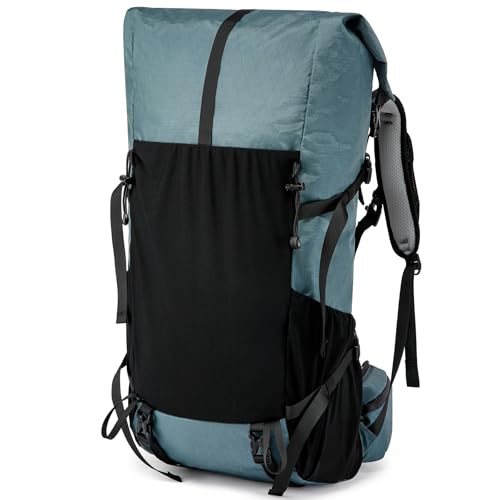
Finding an ultralight backpack for tall person builds is harder than it sounds. Most packs are sized for average torsos, so a taller hiker often ends up with shoulder straps that sit too low and hip belts that ride too high. This guide covers six options and the criteria we used to compare them: torso length range, pack weight, frame support, and how well each handles a base load under 10 pounds. The lineup includes shelter and pack options from the Naturehike and MIYCOO lines.
Our top picks at a glance
- 1
 TOP CHOICEBest overallNaturehike Cloud-Up 1 Person Tent, Lightweight Backpacking Tents for OView on Amazon
- 2
 TOP CHOICEBest for solo tripsClostnature 1 Person Lightweight Backpacking Tent, Easy Setup Tent | AView on Amazon
- 3
 TOP CHOICEBest for two-person comfortBackpacking Tent for Camping 1 Person Hiking Ultralight Tent for WaterView on Amazon
- 4
 Best for group gearForceatt Tent 3 Person Camping Tent, Waterproof and Windproof 3-4 SeasView on Amazon
- 5
 Best for multi-day haulsNaturehike 65L Rock Upgraded Internal Frame Hiking Backpack for OutdooView on Amazon
- 6
 Best budget pickMIYCOO Ultralight Packable Backpack, 35L Water-Resistant Hiking DaypacView on Amazon
Our Top Picks
Quick Comparison
| Product | Best for | Key feature |
|---|---|---|
| Naturehike Cloud-Up 1 Person Tent | Solo backpackers | Lightweight waterproof shelter |
| Backpacking Tent for Camping 1 Person Hiking Ultralight Tent | Solo hikers wanting space | Two doors for access |
| Forceatt Tent 3 Person Camping Tent | Small groups | 3-4 season coverage |
| Clostnature 1 Person Lightweight Backpacking Tent | Minimalist solo trips | Aluminum pole, freestanding |
| Naturehike 65L Rock Upgraded Internal Frame Hiking Backpack | Multi-day carries | Internal frame support |
| MIYCOO Ultralight Packable Backpack 35L | Daypacks and travel | Foldable, water-resistant |
Naturehike Cloud-Up 1 Person Tent, Lightweight Backpacking Tents for One Man, Waterproof Ultralight One
Naturehike Cloud-Up 1 Person Tent, Lightweight Backpacking Tents for One Man, Waterproof Ultralight One Person Tent for Camping Hiking Backpacking
Best for: Solo hikers who want a light, waterproof shelter.
This tent suits hikers who sleep alone and want a compact footprint. Tall users should check the interior length against their height before buying.
Key specs
- One-person capacity
- Waterproof, ultralight design
- Backpacking-focused build
Pros
- Light packed weight
- Waterproof coverage
- Simple solo setup
Cons
- Tight length for tall sleepers
- Limited gear space
Bottom line: A strong pick for solo trips where weight matters most.
View on AmazonBackpacking Tent for Camping 1 Person Hiking Ultralight Tent for Waterproof Windproof Outdoor Two Doors Tents
Backpacking Tent for Camping 1 Person Hiking Ultralight Tent for Waterproof Windproof Outdoor Two Doors Tents Easy Quick Setup Lightweight Instant Tents
Best for: Solo hikers who want room to store gear inside the shelter.
Two doors make entry and exit easier, and they help when you want to keep a pack and boots separate from your sleeping area.
Key specs
- One-person design
- Two doors
- Waterproof, windproof build
Pros
- Easy access from both sides
- Weather-resistant construction
- Good vestibule-style storage
Cons
- Heavier than minimalist tents
- Length should be verified for tall users
Bottom line: Best for solo hikers who value easy entry over minimum weight.
View on AmazonForceatt Tent 3 Person Camping Tent, Waterproof and Windproof 3-4 Seasons Ultralight Backpack Tent
Forceatt Tent 3 Person Camping Tent, Waterproof and Windproof 3-4 Seasons Ultralight Backpack Tent, can be Installed Immediately, Suitable for Hiking, Camping, Outdoor…
Best for: Small groups or couples who want extra interior space.
The larger footprint gives tall hikers more length to stretch out, though the extra weight means it fits best when the group shares the load.
Key specs
- Three-person capacity
- Three- to four-season rating
- Waterproof and windproof
Pros
- Generous interior room
- Versatile season range
- Weather protection
Cons
- Heavier for solo carry
- Bulkier when packed
Bottom line: Pick this if you share the carry and want more room than a solo tent offers.
View on AmazonClostnature 1 Person Lightweight Backpacking Tent, Easy Setup Tent | Aluminum Pole, Freestanding, Waterproof
Clostnature 1 Person Lightweight Backpacking Tent, Easy Setup Tent | Aluminum Pole, Freestanding, Waterproof, Ultralight, Compact, One Man Camping Tent for Hiking Outdoor
Best for: Minimalist solo trips with quick setup.
Freestanding design means you can pitch it on rock or hard ground where stakes won’t hold. Check the floor length before committing, since many one-person shelters run short for tall users.
Key specs
- One-person capacity
- Aluminum poles
- Freestanding structure
Pros
- Easy setup
- Freestanding on hard ground
- Waterproof build
Cons
- Limited headroom for tall users
- Minimal gear storage
Bottom line: A solid choice for quick-setup solo trips when length is not a concern.
View on AmazonNaturehike 65L Rock Upgraded Internal Frame Hiking Backpack for Outdoor Camping Travel Backpacking with Rain Cover
Naturehike 65L Rock Upgraded Internal Frame Hiking Backpack for Outdoor Camping Travel Backpacking with Rain Cover Ultralight Backpack for Adults
Best for: Multi-day trips where the pack needs to carry a heavier load.
An internal frame keeps the load close to the back, which matters more for tall hikers whose torso length may be above average. Adjust the torso length before every trip.
Key specs
- 65-liter capacity
- Internal frame
- Included rain cover
Pros
- Internal frame support
- Rain cover included
- Good capacity for multi-day trips
Cons
- Heavier than ultralight daypacks
- Fit depends on torso adjustment
Bottom line: Best for tall hikers carrying a bigger load over several days.
View on AmazonMIYCOO Ultralight Packable Backpack, 35L Water-Resistant Hiking Daypack | Travel Camping Foldable Daypack
MIYCOO Ultralight Packable Backpack, 35L Water-Resistant Hiking Daypack | Travel Camping Foldable Daypack, Hiking Back Pack for Men Women, Green
Best for: Budget-minded hikers and travelers who need a light daypack.
The foldable design packs down small, though a daypack’s shoulder straps and torso length may still need checking for taller frames.
Key specs
- 35-liter capacity
- Water-resistant fabric
- Foldable, packable design
Pros
- Packs down small
- Water-resistant
- Good for travel days
Cons
- Limited structure for heavy loads
- Torso fit may be short for tall users
Bottom line: A practical budget daypack, best for lighter loads rather than full backcountry kits.
View on AmazonBuying Guide
Torso length
Torso length, measured from the base of your neck to the top of your hip bones, is the single most important fit factor. Many packs list a torso range rather than a single size. If your torso is above average, look for a model with an adjustable harness or a larger size, and try to load it before buying.
Good picks for this: Naturehike 65L Rock Upgraded Internal Frame Hiking Backpack, MIYCOO Ultralight Packable Backpack 35L
Frame support
An internal frame or stays transfer weight to the hips and keep the pack from sagging. Ultralight packs often use minimal framesheets, so a heavier load can feel unstable. Match the frame to your typical base weight, and avoid carrying more than the pack is designed for.
Good picks for this: Naturehike 65L Rock Upgraded Internal Frame Hiking Backpack
Pack weight and base load
Add the pack weight to your gear and food to get your total base load. Many ultralight hikers aim for a base weight under 10 pounds. A pack that is light on its own can still feel heavy once it is filled, so weigh your typical kit before choosing a volume.
Good picks for this: MIYCOO Ultralight Packable Backpack 35L, Clostnature 1 Person Lightweight Backpacking Tent
Shelter length
If you carry a tent, check the interior length against your height plus a few inches. One-person tents often run short, which can squeeze a tall sleeper against the end wall. Measure the floor length in the listing before you buy, and consider a larger model if you need more room.
Good picks for this: Backpacking Tent for Camping 1 Person Hiking Ultralight Tent, Forceatt Tent 3 Person Camping Tent
Use case and season
A daypack, a multi-day pack, and a shelter each solve different problems. Decide whether you need a pack for travel, a trip of several days, or a shelter for varied weather. Matching the product to your typical trip keeps the total kit light and comfortable.
Good picks for this: Naturehike Cloud-Up 1 Person Tent, Naturehike 65L Rock Upgraded Internal Frame Hiking Backpack
FAQ
How do I know if a backpack fits a tall person?
Measure your torso from the seventh cervical vertebra to the top of your hip bones. Compare that number to the torso range in the listing. A pack that fits your torso will let the hip belt sit on your hip bones while the shoulder straps rest without pulling.
Is an internal frame better for tall hikers?
Often yes, because an internal frame keeps the load close to the back and can be adjusted. It is not required for light loads, but it helps when the pack carries heavier weight over longer distances.
What base weight should I aim for?
Many ultralight hikers target a base weight under 10 pounds, which excludes food and water. Choose a pack and shelter that together fit that target, then add consumables for the trip length.
Should I check shelter length before buying a tent?
Yes. Compare the floor length to your height and add a few inches. Tall users often find that one-person tents feel cramped at the feet or head, so verifying the interior dimensions in the listing is worthwhile.
For fit questions tied to a specific health condition, such as back or shoulder pain, consult a physical therapist or medical professional before choosing a load-carrying setup.
Conclusion
For a solo tall hiker, the Naturehike Cloud-Up and Clostnature tents keep weight low, though length should be checked closely. The Naturehike 65L internal frame pack suits longer trips with heavier loads. The MIYCOO 35L works as a budget daypack. Pick the pack that fits your torso and the shelter that fits your height, and match both to your base weight.
Sources
- Consumer safety guidance on product use and labeling (cpsc.gov)
- Backcountry travel and gear recommendations from the National Park Service (nps.gov)
Before you buy: helpful guides
Related reading
- Vera Bradley Women's Outlet Ultralight Essential Backpack: 6 Best Picks (2026)
- Ultralight Backpack for Travel: 7 Best Picks Compared for 2026
- Ultralight Backpack Weight Testing: A Practical Guide (2026)
About Colin Foster
Colin Foster is part of our editorial team and reviews and edits our backpacks & packing systems guides, checking product details against manufacturer specifications and owner feedback.