By Colin Foster
Updated November 2026
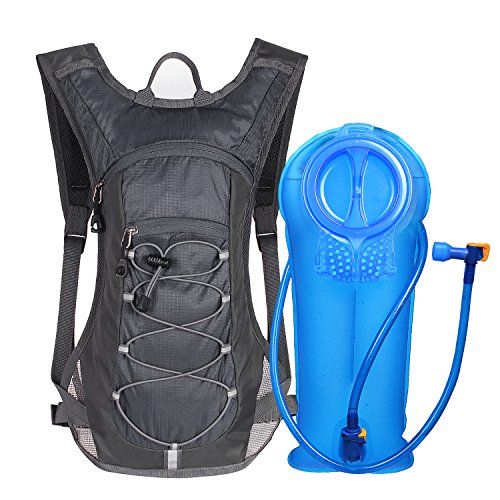
The North Face Megamouth hydration pack is a running and trail vest-style carrier built around a bladder that sits against your back and a set of front pockets for snacks, phone and gear. In this guide you will learn how to check fit, fill and route the bladder, load the pockets so the vest stays stable, and avoid the mistakes that cause sloshing, chafing and leaks. The steps apply to most hydration packs in this style, so you can get a comfortable setup on your first outing.
What the Megamouth Hydration Pack Is Designed For
Hydration vests like the Megamouth are meant for runs and hikes where you need to carry water, food and a few essentials without a full backpack. The defining feature is the wide-mouth bladder opening, which makes filling and cleaning easier than narrow-neck reservoirs. Before you buy or set one up, confirm the capacity and pocket layout against the manufacturer’s current product page, since sizing and features can change between versions.
Shopping for one? See our guide: 7 Best Top Rated Running Hydration Packs (2026): Expert Picks.
Vests in this category usually suit trail runs, fastpacking, long day hikes and some cycling. If your outing involves a heavy load, overnight gear or extended scrambling, a larger daypack with a hip belt may be a better fit. Our overview of North Face Backpack Hiking: How to Pick the Right Pack in 6 Steps covers how to match pack size to trip length.
Step 1: Check the Fit Before You Fill
A hydration vest should hug your torso without pulling at the shoulders. Fit matters more than capacity, because a loose vest bounces and a tight one restricts breathing.
- Put the empty vest on and tighten the sternum strap so it sits about one finger-width below your collarbones.
- Adjust the side and chest straps until the vest stays flat against your back when you lean forward, with no gaps at the lower back.
- Raise your arms overhead and swing them. The straps should not ride up or pull the front panel off your chest.
- Check that the shoulder straps lie flat, not twisted, and that the front pockets sit where your hands can reach them easily while running.
If you are unsure about sizing, a fitting at a specialty outdoor retailer is worth the time. Your torso length and chest measurement are the figures to bring.
Step 2: Fill and Route the Bladder
The wide opening on the Megamouth style reservoir makes filling simple, but how you fill it affects comfort and balance.
Filling the Bladder
- Use cold water when possible, since it stays cooler and reduces the taste of plastic.
- Fill to the level you need for the outing, leaving a few inches of air at the top so the bladder can be squeezed and sealed without spilling.
- Seal the cap fully and give the bladder a gentle squeeze to check for leaks before you put the vest on.
Routing the Hose
- Clip the hose to the shoulder strap or the chest loop so it stays near your mouth without dangling.
- Place the bladder in the back compartment with the mouthpiece side facing up, so air rises toward the valve when you drink.
- Check that the hose does not kink when you turn your head or lean forward.
Step 3: Load the Pockets for Balance
Weight distribution affects how stable the vest feels at speed. Put heavier items low and close to your back, and keep the front pockets light.
| Item | Best location | Why |
|---|---|---|
| Bladder (full) | Back compartment, centered | Keeps the center of mass close to the spine |
| Spare layer | Back compartment, above the bladder | Cushions the bladder and adds bulk without sway |
| Phone | Front pocket, secured | Easy access, but avoid bouncing |
| Snacks and gels | Front pockets | Reachable while moving |
| Emergency items | Zippered pocket, lower back | Stays put and stays dry |
Step 4: Test the Setup on a Short Run or Walk
Before a long outing, take a 20 to 30 minute test. Pay attention to bounce, chafing and how easy it is to drink while moving.
- Run or walk at your normal pace and note any slapping or rocking.
- Stop and tighten or loosen straps as needed. Small changes make a large difference.
- Drink from the hose several times while moving. If you struggle, reposition the hose clip.
- Check your skin under the straps after the test. Redness suggests a strap needs adjusting or a liner.
Step 5: Maintain the Bladder and Hose
Clean the bladder after each use, especially if you add electrolyte mixes or fruit flavoring. Hang it to dry with the cap open. Blow through the hose to clear water, and check the bite valve for mold. Replacing worn parts keeps the system leak-free.
Common Mistakes
- Overfilling the bladder. A completely full reservoir sloshes and can leak under pressure. Leave a few inches of air.
- Loading heavy items in the front pockets. This pulls the vest forward and makes it bounce.
- Tightening straps before filling. Fit can shift once the bladder is full, so adjust after filling.
- Skipping the test run. Problems like chafing and hose kinks appear quickly once you start moving.
- Storing the bladder wet. Trapped moisture grows mold and odor.
Recommended gear
Several items can make a Megamouth setup more comfortable and easier to maintain.
- A bladder cleaning kit with a long-handled brush. A narrow brush reaches the seams and corners that a sponge misses. View on Amazon
- Electrolyte tablets. Useful on long hot runs when plain water alone does not replace salt loss. View on Amazon
- A bladder drying hanger. Keeps the reservoir open to air so it dries fully between uses. View on Amazon
FAQ
How much water should I carry in a Megamouth hydration pack?
It depends on duration, heat and effort. Many runners plan for roughly half a liter to a liter per hour in warm conditions, but adjust for your own sweat rate and the guidance of a coach or medical professional if you have health conditions.
Can I use the Megamouth vest for cycling?
Some people do, but vests designed for running may not sit as stably on a bike. Test the setup on a short ride before committing to a long one.
How do I stop the bladder from sloshing?
Keep the bladder full to the right level, fill it fully only when needed, and center it in the back compartment. Adding a light layer above the bladder also reduces movement.
Why does my water taste like plastic?
New bladders often carry a plastic taste. Rinse several times with warm water and let it air dry. If the taste persists, consider replacing the bladder.
How often should I clean the bladder?
Clean it after every use, and deep clean with a brush and mild soap at least once a month or whenever you use flavored drinks.
Can I put hot water in the bladder?
Avoid it. Heat can warp or weaken the plastic and affects taste. Cold or room-temperature water is the safer choice.
What should I do if the bladder leaks?
Check the cap seal and the hose connection first. Clean and dry the threads, and replace the seal or bladder if the leak continues. Manufacturer support can advise on replacement parts.
Conclusion
A well-fitted North Face Megamouth hydration pack should feel stable and let you drink without stopping. Check fit before filling, route the bladder carefully, balance the pockets, and test the setup on a short run. Clean and dry the system after each use to keep it reliable, and confirm current specifications with the manufacturer.
Related reading
- The North Face Daypack Black: How to Choose, Size and Pack One
- Supreme North Face Daypack: How to Choose, Size and Pack One (2026)
- Zulo 2L Hydration Waist Pack: Fit, Fill and Use It in 5 Steps
- Women's Running Hydration Pack: 3 Best Options for Every Run (2026)
Ready to choose one?
About Colin Foster
Colin Foster is part of our editorial team and reviews and edits our backpacks & packing systems guides, checking product details against manufacturer specifications and owner feedback.