 By Colin Foster
Updated November 2026
Choosing a hiking pack with hydration comes down to three things: how much water you need to carry, how much room you need for gear, and whether the pack fits your torso well enough to stay comfortable over hours of walking. This list compares three packs with built-in water bladders, looking at reservoir size, total volume, harness design, and the kind of hike each one is built for. Each pick is judged against the same criteria: capacity relative to the bladder, load-carrying harness, bladder access and routing, and the owner feedback patterns that tend to show up for each model.
Our top picks at a glance
- 1
 TOP CHOICEBest overallN NEVO RHINO Hydration Backpack, 18L Hiking Backpack with 3L Water BladderView on Amazon
- 2
 Best for fast daypacksLightweight Hydration Backpack, Running Backpack with 2L Water BladderView on Amazon
- 3
 Best for hiking with a phoneMIYCOO Hiking Backpack with 2L Water Bladder, Lightweight Running Vest BackpackView on Amazon
Our Top Picks
Quick Comparison
| Product | Best for | Key feature |
|---|---|---|
| N NEVO RHINO Hydration Backpack, 18L | Full-day hikes and warm-weather trips | 18L total volume with a 3L bladder |
| Lightweight Hydration Backpack, Running Backpack | Short trail runs and quick hikes | Compact 2L bladder setup |
| MIYCOO Hiking Backpack with 2L Water Bladder | Hikers who carry a phone and small items often | Dual phone pockets with a 2L bladder |
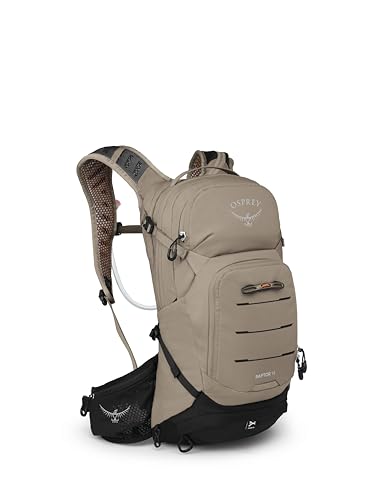
N NEVO RHINO Hydration Backpack, 18L Hiking Backpack with 3L Water Bladder
N NEVO RHINO Hydration Backpack, 18L Hiking Backpack with 3L Water Bladder | Multipurpose Water Backpack High Flow Bite, Insulated Hydration Pack Ideal for Hiking and Cycling
Best for: Full-day hikes and warm-weather trips where you need more water and room for layers.
This is the largest of the three packs, and it suits hikers who want enough space for a jacket, snacks and a first-aid kit in addition to a 3-liter reservoir. Its 18-liter total volume gives you room to grow on longer outings without switching to a bigger pack.
Key specs
- Total volume: 18 liters
- Included bladder: 3 liters
- Bite valve hose for hands-free drinking
Pros
- Enough capacity for a full day of hiking with layers and food
- The 3-liter bladder covers hot-weather hikes without refilling
- Bite valve design lets you drink while walking
Cons
- Heavier when fully loaded than the smaller packs in this list
- Bulk can feel excessive on short, fast outings
Bottom line: Pick this one if you hike all day, carry a lot of water, or want one pack that handles both water and gear without a separate daypack.
View on AmazonLightweight Hydration Backpack, Running Backpack with 2L Water Bladder
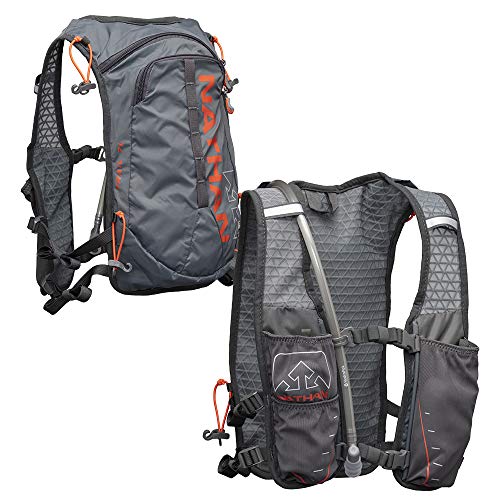
Lightweight Hydration Backpack, Running Backpack with 2L Water Bladder | Hydro Water Daypack, Small Hiking Backpack for Cycling Hiking Rave for Men Women
Best for: Short trail runs and quick hikes where a light pack matters more than storage.
This pack is built for people who move quickly and carry only the essentials. The 2-liter bladder is enough for a few hours on the trail, and the smaller frame keeps weight low enough that you forget it is on your back.
Key specs
- Included bladder: 2 liters
- Designed as a lightweight running-style daypack
Pros
- Light enough for running and fast hiking
- 2-liter bladder suits outings of a few hours
- Simple layout keeps the pack easy to load and reach into
Cons
- Limited room for extra layers or a full meal kit
- Not ideal for overnight or multi-day trips
Bottom line: A good match for trail runners and day hikers who want hydration without much bulk.
View on AmazonMIYCOO Hiking Backpack with 2L Water Bladder, Lightweight Running Vest Backpack
MIYCOO Hiking Backpack with 2L Water Bladder,Hydration Backpack for Running | Lightweight Running Vest Backpack with Dual Phone Pockets for Men Women, Hydro Water Daypack for Hiking, Cycling, Climbing
Best for: Hikers who carry a phone, keys and small items they want to reach without taking the pack off.
This model keeps the 2-liter hydration setup and adds front and side access points that make it easier to grab small items on the move. It suits hikers and cyclists who want quick access to gear during a short outing.
Key specs
- Included bladder: 2 liters
- Dual phone pockets
- Vest-style fit for hiking, cycling and climbing
Pros
- Dual phone pockets keep devices within reach
- Vest-style design spreads weight across the torso
- Good for mixed-use outings such as hiking and cycling
Cons
- Limited capacity for bulky gear or cold-weather layers
- Fit depends heavily on torso length, so check sizing carefully
Bottom line: Best for hikers who want a pack that doubles as a phone and small-gear carrier on short to medium trips.
View on AmazonBuying Guide
Bladder Capacity
Estimate your water need before you choose a pack. A common planning figure is about half a liter per hour of moderate hiking, more in heat or at altitude. A 2-liter bladder covers roughly three to four hours in mild weather; a 3-liter bladder stretches that for a full day. Remember that water is heavy: one liter weighs about one kilogram, or roughly 2.2 pounds.
Good picks for this: N NEVO RHINO Hydration Backpack, 18L; Lightweight Hydration Backpack, Running Backpack
Total Pack Volume
Volume should cover water, food, layers and safety gear. A pack in the 15 to 20 liter range suits most day hikes; anything smaller is best for trail running. If you plan to carry a rain shell, extra food and a first-aid kit, lean toward the larger end of that range.
Good picks for this: N NEVO RHINO Hydration Backpack, 18L; MIYCOO Hiking Backpack with 2L Water Bladder
Fit and Torso Length
A hydration pack should sit with the hip belt on your iliac crest and the shoulder straps resting on the top of the shoulders. Measure from the seventh cervical vertebra (the bony bump at the base of your neck) down to your iliac crest to find your torso length. Many owners report that a pack that is even slightly too long rides poorly and rubs the shoulders.
Good picks for this: MIYCOO Hiking Backpack with 2L Water Bladder; Lightweight Hydration Backpack, Running Backpack
Bite Valve and Hose Routing
Check that the hose exits near your shoulder and that the bite valve sits where you can reach it without twisting. A hose with a shut-off valve prevents leaks when the bladder is partly full. Keep the hose clipped to a strap so it does not swing while you walk.
Good picks for this: N NEVO RHINO Hydration Backpack, 18L; Lightweight Hydration Backpack, Running Backpack
Access and Organization
Think about how often you will reach for items during a hike. Front pockets, side pockets and a top lid make small items easier to get at. A pack with a separate bladder compartment keeps wet parts away from dry gear, which matters for snacks and electronics.
Good picks for this: MIYCOO Hiking Backpack with 2L Water Bladder; N NEVO RHINO Hydration Backpack, 18L
Durability and Materials
Look for abrasion-resistant nylon or polyester fabric, reinforced stress points at the shoulder strap anchors, and a bladder made of food-grade material. Owners often report that seams and zipper quality matter more over time than the fabric itself, so inspect those before buying.
Good picks for this: N NEVO RHINO Hydration Backpack, 18L; MIYCOO Hiking Backpack with 2L Water Bladder
Care and Cleaning
Empty and dry the bladder after each use, and hang it open so air can circulate. Clean the hose and bite valve regularly with warm water and a bladder cleaning tablet or a mild soap solution. Rinse thoroughly. Mold in the hose is the most common complaint about hydration packs, and it is almost always a drying problem.
Good picks for this: Lightweight Hydration Backpack, Running Backpack; MIYCOO Hiking Backpack with 2L Water Bladder
FAQ
How much water should a hiking pack with hydration hold?
For a typical day hike in mild weather, a 2-liter bladder is usually enough for three to four hours. Hot or high-output hikes call for 3 liters or more. Plan roughly half a liter per hour and adjust for heat, pace and body size.
Is a hydration pack better than water bottles on a hike?
A hydration pack lets you drink without stopping and keeps water distributed across your back. Bottles are easier to refill and clean, and they make it simple to monitor how much you have left. Many hikers use both: a bladder for the bulk of the water and a bottle for backup.
How do I keep a hydration bladder from growing mold?
Empty the bladder after each use, rinse it with clean water, and let it air-dry fully with the cap off. Periodic cleaning with a bladder cleaning solution helps. Storing the bladder open or with the hose disconnected prevents moisture from sitting inside.
Can I use a hydration pack for winter hiking?
Yes, but the hose and bite valve can freeze. Insulated hose sleeves and carrying the bladder inside your pack close to your body help. Blow the water back into the bladder after drinking to clear the hose. Cold-weather use is a specialized case, so check with an experienced local guide if you are heading into freezing conditions.
Is a running hydration pack suitable for hiking?
For short day hikes, yes. Running-style packs are lighter and fit closely, but they hold less gear. For overnight trips or heavy loads, a larger hiking pack with a frame gives better load support.
How should a hydration pack fit?
Adjust the shoulder straps so the pack hugs your back without pulling on your shoulders, and tighten the hip belt so most of the weight sits on your hips. The chest strap should sit across your upper chest to keep the pack from shifting.
Should I carry electronics in a hydration pack?
Phones and cameras can go in a pocket or a dry compartment, but keep them away from the bladder. A small leak or condensation can damage electronics. A waterproof phone case or dry bag adds protection.
Conclusion
For the widest range of use, the N NEVO RHINO Hydration Backpack, 18L is the most complete choice, offering room for water and gear on full days out. If you move quickly and carry only essentials, the Lightweight Hydration Backpack, Running Backpack keeps weight low. The MIYCOO Hiking Backpack with 2L Water Bladder suits hikers who want easy access to a phone and small items. Match the bladder size and total volume to your trip length, and check torso fit before you buy.
Sources
- Guidance on hydration and fluid needs during physical activity in warm conditions (cdc.gov)
- Trail safety, water planning and backcountry preparation recommendations (nps.gov)
- Food and water safety information relevant to carrying and storing drinking water (usda.gov)
Related reading
- Ski Rucksack With Hydration Pack: How to Choose One in 6 Steps
- Lunch Box Hydration Pack: 5 Best Options for Every Need (2026)
- Hydration Pack for Motorcycle: 6 Best Options for Riders in 2026
- 7 Best Top Rated Running Hydration Packs (2026): Expert Picks
About Colin Foster
Colin Foster is part of our editorial team and reviews and edits our backpacks & packing systems guides, checking product details against manufacturer specifications and owner feedback.