By Lauren Holland
Updated November 2026
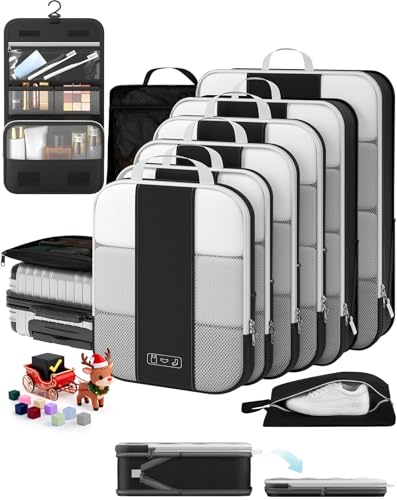
Lowe Alpine packing cubes are lightweight nylon organizers designed to sort gear inside a backpack, keep items from shifting and make it easier to find things at a trailhead or campsite. This guide explains how to pick the right size for your trip, how to load the cubes so your pack balances well, and how to avoid the mistakes that waste space and weight. By the end, you should be able to set up a cube system that fits your base weight goals and your pack volume.
What Lowe Alpine Packing Cubes Are Best Used For
Packing cubes work best as internal dividers inside a hiking backpack, not as a replacement for the pack’s own compartments. In a trekking pack, cubes help you separate sleep系统 items from kitchen gear, clothing from electronics and food from toiletries. Because cubes are usually made from thin, light fabric, they add very little weight, which matters when you are counting every ounce.
Shopping for one? See our guide: Eagle Creek Packing Compression Cubes: 3 Best for Carry-On Trips (2026).
Lowe Alpine is a long-established outdoor brand, and its packing organizers are generally aimed at backpackers and climbers rather than suitcase travelers. That distinction affects how you should size and load them. Expect a slim, pack-focused design rather than a rigid, wheeled carry-on system.
If you are still deciding whether cubes are worth carrying at all, the general argument for them is covered in Why Use Packing Cubes? Organize Your Bag and Pack Lighter, and the difference between simple organization and true compression is explained in What Is the Point of Packing Cubes? Organization, Compression and Faster Packing.
Step 1: Choose the Right Cube Size for Your Pack
Size is the first decision, and it depends on your pack volume and your trip length. Check your pack’s liter rating and the internal dimensions of the main compartment before you buy. A cube that fills too much of the bag can make it hard to close the lid or to access the bottom section.
Measure Your Internal Space
Measure the width and depth of the main compartment at its widest point. Note how much clearance you need for a sleeping bag or a bear canister, if you carry one. Many backpackers find that one or two mid-sized cubes fit better than several small ones, because fewer cubes leave less dead space between them.
Match Cube Size to Trip Length
| Trip Type | Typical Load | Suggested Cube Setup |
|---|---|---|
| Overnight or weekend | Clothing, food, shelter | One large cube for clothing, one small cube for kitchen and toiletries |
| Three to five days | Clothing, layers, cook kit, electronics | Two or three cubes split by function |
| Week-long or longer | Full camp system, extra food | Three or four cubes, with one dedicated to dry layers |
Step 2: Sort Your Gear by Function
Before you fill any cube, lay out everything you plan to bring and group it. Separating gear by function, rather than by item type, usually makes the pack easier to use on the trail.
- Sleep system: sleeping bag liner, pillow, dry sleep layers.
- Kitchen: stove, fuel, pot, utensils, water filter.
- Clothing: base layers, insulating layer, rain shell, socks.
- Toiletries and first aid: small kit, sunscreen, repellent, medications.
- Electronics and navigation: phone, power bank, cables, headlamp, maps.
Keep your weight distribution in mind. Dense items like stoves and food should sit close to your back and mid-height. Bulky, light items like sleeping bags can go at the bottom.
Step 3: Load the Cubes in the Right Order
Once your groups are set, load each cube so that the things you need first are easiest to reach. A simple method works well for most trips.
Load the Heaviest Cube Closest to Your Back
Place the cube with food and cook gear against the back panel, centered between your shoulder blades. This keeps the load close to your center of gravity and reduces strain on your lower back.
Put Daily-Use Items in the Top Cube
Your rain shell, headlamp, snacks and map should go in a cube you can reach without unpacking the rest. Many hikers also keep a small dry bag inside the top cube for electronics.
Compress Only What Compresses
Compression works on soft goods like clothing and sleep layers. It does not help with hard items such as bottles, stoves or food packaging. Compress the soft cubes after you close them, and leave the rigid items loose or in their own pouches.
Step 4: Check Fit and Balance Before You Hit the Trail
Put the loaded pack on, tighten the hip belt and shoulder straps, and walk around for a few minutes. Check that the cubes do not press against your spine or shift when you bend forward. If the pack feels top-heavy, move a cube lower or swap heavier items into the middle cube.
Consider consulting a qualified fitter or outfitter if you have a back or shoulder condition, as load carriage can aggravate existing problems.
Common Mistakes to Avoid
- Buying cubes that fill the entire main compartment, which leaves no room for a sleeping bag or bear canister.
- Stuffing every cube to maximum, which makes it hard to remove the top layer quickly.
- Assuming cubes add waterproofing. Most cube fabrics are water-resistant at best, so line them with dry bags for rain-sensitive items.
- Packing heavy food at the top of the pack, which raises your center of gravity.
- Skipping a test pack at home. Load the pack, walk with it and adjust before your trip.
Tips for Lighter, More Organized Packing
- Weigh each cube on a kitchen or hanging scale and note the total. This helps you track base weight over several trips.
- Use color or a simple label system so you can identify cubes without opening them.
- Keep one cube empty for sudden additions such as extra water or a wet shell.
- For a broader look at lightweight cube options, see Ultralight Packing Cubes: Weight Saved vs Durability.
Recommended gear
If you are building a Lowe Alpine cube system, these are the types of items that tend to complement it well. Look for the exact models that match your pack’s dimensions.
- A small dry bag for electronics and sleep layers, which protects against rain that can get past the cube fabric. View on Amazon
- A compact hanging or digital luggage scale for checking the weight of each cube before you hit the trail. View on Amazon
- A set of lightweight stuff sacks for sleeping bag and insulated layers, which compress them further inside a cube. View on Amazon
FAQ
Are Lowe Alpine packing cubes waterproof?
Most cube fabrics are water-resistant rather than fully waterproof. For rain protection, place sleeping gear and electronics inside a dry bag within the cube, and check the manufacturer’s material specifications for the exact product you buy.
How many cubes should I bring on a backpacking trip?
Two to four cubes is typical for trips of a few days to a week. More cubes add organization but can waste space, so start with fewer and add only when you find a clear need.
Do packing cubes make my pack heavier?
They add a small amount of weight, usually modest compared with the rest of your gear. Weigh your cubes and track the total so you know exactly what they add to your base weight.
Can I use Lowe Alpine cubes in a suitcase?
They are designed primarily for backpacks, so their fit and shape may not suit a rigid suitcase. Measure your luggage’s internal dimensions before using them that way.
How do I clean packing cubes after a trip?
Empty them, shake out debris and wipe the fabric with a damp cloth and mild soap. Air dry them fully before storing, since trapped moisture can cause odor or mildew.
Should I compress my sleeping bag inside a cube?
You can, but many backpackers prefer to keep the bag in its own stuff sack and place that sack in the bottom of the pack. Check the bag’s loft recovery guidance, since long-term compression can reduce insulation.
What is the best way to keep track of cube contents?
Keep a simple written or phone list for each cube, or use a labeling system on the outside. Update the list after each trip so your next packing session is faster.
Conclusion
Lowe Alpine packing cubes work best when you size them to your pack, sort gear by function and load them so the heaviest items sit close to your back. Test your setup at home, weigh each cube and adjust before you leave. A clear system like this saves time on the trail and helps you keep your base weight under control.
Related reading
- Suitcase Organizers Beyond Packing Cubes: Shelves, Dividers and Hanging Systems
- Packing Folder vs Packing Cube: Which Keeps Clothes Neater?
- Packing Cubes vs Vacuum Compression Bags
- Packing Cubes for Family Trips: Color-Coding and Sharing a Suitcase
Ready to choose one?
About Lauren Holland
Lauren Holland is part of our editorial team and reviews and edits our backpacks & packing systems guides, checking product details against manufacturer specifications and owner feedback.