By Lauren Holland
Updated November 2026
The osprey fairview travel daypack is a compact carry bag built to hold the things you need on travel days: a jacket, a water bottle, a laptop or tablet, chargers and a few small items. This guide explains how to check whether the pack fits your body and your trips, how to organize it so you can find things fast, and what to look for when you compare it with other daypacks. By the end, you should know whether it suits your routine and how to load it without wasting space.
Step 1: Decide What the Daypack Needs to Do
Before you judge any daypack, define its job. A travel daypack used as a personal item on a flight has different demands than one used for a day of sightseeing with a camera and a rain shell. Write down the three things you carry most often. If your list is a laptop, a light layer and a water bottle, you need a pack with a padded sleeve, easy-access side pockets and a stable profile. If your list is snacks, a book, a folding umbrella and sunscreen, you need quick-reach pockets more than a sleeve.
Shopping for one? See our guide: 5 Best Travel Packs With Daypack Options for Trips in 2026.
Also note where you will wear the pack. Airport security lines, crowded trains and walking tours all reward a bag that stays close to your back and does not swing wide when you turn.
Step 2: Check the Fit Before You Commit
Daypack fit depends mostly on torso length and how the shoulder straps and hip belt (if present) sit on your frame. Manufacturers usually publish dimensions for total height, width and depth, and a capacity in liters. Compare those numbers with your own measurements and with the space in your usual carry-on or personal item allowance. Always check the airline’s current size limits directly on its website, since dimensions and weight rules change.
Put the pack on with whatever you normally wear for travel. Load it with about 8 to 10 pounds of weight, close to a realistic load, and walk for a few minutes. Watch for these signs:
- The top of the pack sits roughly level with the top of your shoulders, not far above your head or dragging low at the lumbar.
- The shoulder straps wrap smoothly under your arms without digging into the armpit.
- The pack does not pull backward when you lean forward.
- You can reach the zippers and side pockets without shrugging the pack off.
If the load shifts sideways or you feel pressure on your shoulders after ten minutes, adjust the strap tension first. If the problem continues, the torso size may not match you, and a different model or size is the better fix. People with back or shoulder conditions should check with a doctor or physical therapist before choosing a new pack.
Step 3: Map the Interior and Exterior Layout
Most travel daypacks split their space into a main compartment, a laptop or tablet sleeve, and one or more exterior pockets. Walk through the layout before you pack:
- Note which pocket is easiest to reach while the pack is on your back. This is where passport, boarding pass or phone belongs.
- Identify the compartment closest to your spine. Heavier items go here, because weight held near the back is easier to carry.
- Check whether the laptop sleeve has its own zipper and padding. A sleeve that sits flush against your back is more comfortable and less likely to be bumped.
- Look for a small internal zip pocket for cash, cards and earbuds.
Step 4: Pack for Travel Days
Good packing turns a daypack from a bag of random items into a reliable kit. The following order works for most trips:
- Place the laptop or tablet in its sleeve first, against the back panel.
- Add a packing cube or a thin folding layer on top to protect the screen and fill gaps.
- Put the water bottle in a side pocket or upright near the top, where it will not leak onto electronics.
- Store chargers, cables and power bank in a small pouch in the main compartment.
- Keep documents, phone, snacks and sunglasses in the front or top pockets for quick access.
- Roll the rain shell or light jacket and place it in the top section so it is easy to grab.
Packing Checklist for a Single Travel Day
- Phone, charger and cable
- Power bank, sized to what your airline allows
- Wallet, passport and boarding documents
- Laptop or tablet in sleeve (if needed)
- Reusable water bottle, empty before security
- Light layer or packable rain shell
- Small toiletry or sunscreen in a zip bag
- Snacks and a small book or e-reader
- Earbuds, glasses case and sunglasses
Weight and Volume Targets
Keep the loaded pack under about 15 percent of your body weight if you will walk long distances or stand for hours. Many travelers aim for 10 to 12 pounds for a full day of city walking. If the pack regularly feels heavy after a few hours, cut one item or move a heavy item to a checked bag where allowed.
| Item category | Where to pack it | Why |
|---|---|---|
| Laptop or tablet | Sleeve against back panel | Keeps weight close to spine and protects the screen |
| Water bottle | Side pocket, upright | Easy to reach and less risk of leaks |
| Passport and boarding pass | Front or top pocket | Quick access at checkpoints |
| Power bank and cables | Small pouch, main compartment | Keeps tangles out of the main space |
| Rain shell | Top section, rolled | Fast to grab when weather changes |
Step 5: Test It on a Short Trip First
Before a long journey, take the loaded pack on a half-day outing. Walk, sit, ride transit and go through a simulated security check. You will learn quickly whether the zippers, pockets and straps behave the way you expect. Adjust your packing order based on what you reach for most often. If you travel frequently, you can also link this setup to a packing system such as compression or packing cubes; see 7 Best Osprey Ultralight Packing Cubes for Light Travel (2026) for options that pair well with a daypack.
Common Mistakes to Avoid
- Overloading the top. Heavy items above the shoulders pull the pack backward and strain the neck.
- Ignoring strap adjustment. Many discomfort problems come from straps set too loose or too tight.
- Packing the laptop at the bottom. A laptop buried under other items gets bent or scratched on the way to a gate.
- Forgetting the airline size limit. A pack that fits your body may still exceed the personal item dimensions. Check the carrier’s current rules before you fly.
- Using the front pocket for liquids. A leaking bottle can ruin documents. Keep liquids upright and sealed.
- Skipping a test run. Discovering zipper problems at the airport is far more frustrating than discovering them at home.
Tips for Getting More From Your Daypack
- Use a small pouch for cables so they do not tangle with your passport.
- Keep a folded tote in the pack for shopping or laundry runs.
- Store a spare masks or light scarf in a pocket for temperature changes.
- Clean the pack’s interior every few trips to remove crumbs and dust that collect in pockets.
- If you compare several models, look at the guide Osprey Farpoint Travel Daypack: Fit, Capacity and Packing Tips to see how a related Osprey travel pack handles similar loads.
Recommended gear
These items pair well with a travel daypack and help keep the layout organized.
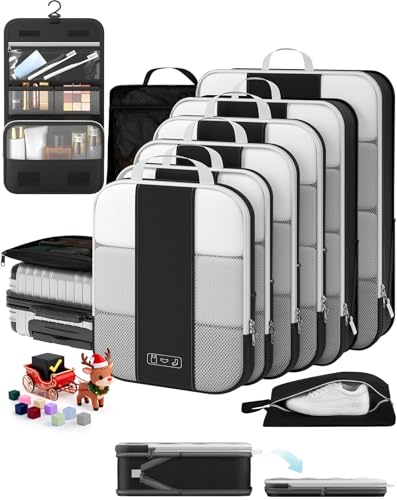
- Packing cubes for the main compartment. Small cubes keep cables, toiletries and layers separated so nothing shifts when you open the pack. View on Amazon
- A slim laptop sleeve insert. Extra padding helps if your device is larger than the built-in sleeve. View on Amazon
- A foldable water bottle. It takes up little room when empty and fits most side pockets. View on Amazon
- A compact power bank. Keeps phones and earbuds charged on long days without adding bulk. View on Amazon
FAQ
Is the osprey fairview travel daypack suitable as a carry-on personal item?
It can be, but check the airline’s current size limits for personal items before you fly, because dimensions and rules vary by carrier. Measure the pack with its contents loaded and compare the numbers with the airline’s published maximums.
Will it fit a 13-inch or 14-inch laptop?
Laptop sleeve sizes in travel daypacks are often designed for devices in the 13- to 15-inch range. Check the manufacturer’s stated sleeve dimensions and measure your laptop including its case before you rely on it.
How much can I carry comfortably?
Many people aim for roughly 10 to 12 pounds for a full day of walking. If you carry more for long periods, consider reducing the load or using a pack with a hip belt for better weight distribution.
Does it need a hip belt?
Hip belts are most useful for heavier loads, typically above 15 pounds. For light travel loads, a well-fitted pack with good shoulder straps is often enough. Adjust the belt as a test if the model includes one.
How do I keep the pack from getting too heavy on flights?
Move dense items such as power banks and books into a checked bag when allowed, and remove any unused accessories. Weigh the loaded pack on a bathroom scale to know its weight before you reach the airport.
Can I use it for hiking as well as travel?
Travel daypacks are designed mainly for urban and airport use. For longer trail days with heavy water or gear, a dedicated hiking daypack with a stronger suspension is usually a better match. Compare options in 7 Best Daypacks for Hiking and Travel: Top Picks Compared (2026).
How do I clean the daypack?
Empty all pockets, shake out debris and wipe the exterior with a damp cloth and mild soap. Air-dry it completely before storing. Check the care label or manufacturer instructions before machine washing any part.
Who should I ask if I have back pain when carrying a pack?
If you have ongoing back, neck or shoulder pain, consult a doctor or physical therapist before choosing a pack or adding weight. A professional can recommend the right fit and load limits for your body.
Conclusion
The osprey fairview travel daypack works best when you match its size and layout to your actual travel needs. Check the fit with a realistic load, pack heavy items close to your back, and test the setup on a short outing before a long trip. Confirm current airline size limits and product details on the official Osprey site before you buy.
Related reading
- Farpoint Fairview Travel Daypack: Fit, Packing and Who It Suits
- Travel Pack With Detachable Daypack: 5 Best Picks Compared (2026)
- Travel Backpack With Daypack: 5 Best Picks Compared (2026)
- Top 6 Packable Daypacks for Travel Picks Compared for Every Trip
Ready to choose one?
About Lauren Holland
Lauren Holland is part of our editorial team and reviews and edits our backpacks & packing systems guides, checking product details against manufacturer specifications and owner feedback.