By Colin Foster
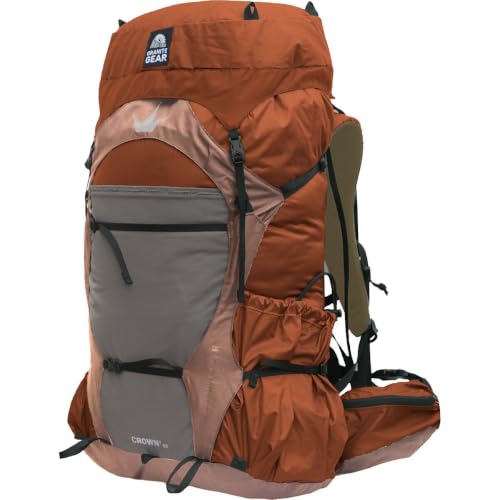
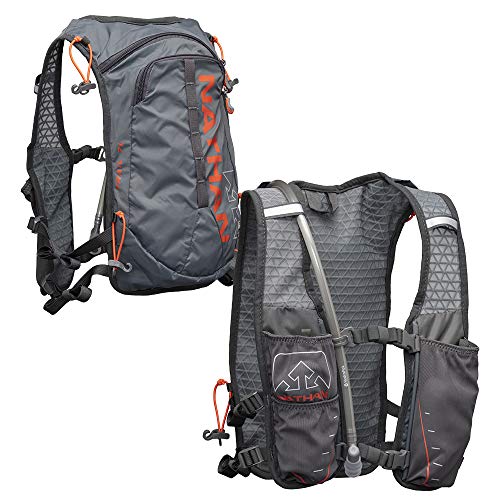
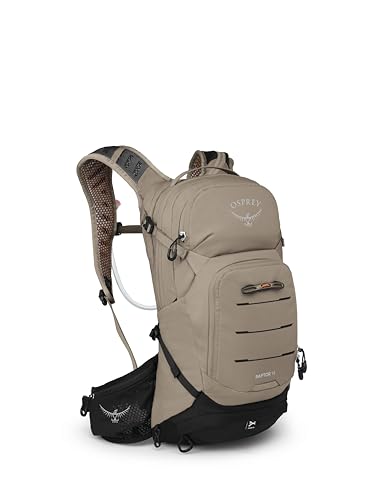
A hiking backpack made in USA can be a strong choice if you want to know where your pack was sewn, what materials went into it, and who stands behind the warranty. This guide walks you through how to verify domestic manufacturing, what to check in the construction, and how to match a pack to your hiking style. By the end, you will have a short list of criteria and a clear way to compare options.
What “Made in USA” Actually Means for a Backpack
“Made in USA” is regulated in the United States. Under Federal Trade Commission guidance, a product marked this way should be “all or virtually all” made in the US, meaning the final assembly and most significant processing happen domestically. For packs, that distinction matters, because a bag can be cut and sewn in America while its zippers, buckles, webbing, or foam come from overseas.
Shopping for one? See our guide: 4 Best Hiking Backpack Women's (2026): Expert Picks.
Some brands label packs as “Assembled in USA” or “Sewn in USA.” These phrases are more honest about partial sourcing, and they are common in the outdoor industry. Read the label closely and treat the wording as information, not a marketing flourish.
Common origin claims you will see
- Made in USA: Cut, sewn, and finished domestically, with most components sourced in the US.
- Assembled in USA: Final sewing or assembly is domestic, but some parts are imported.
- Sewn in USA: The pack is stitched in the US from fabrics and hardware that may come from elsewhere.
- Designed in USA: The design team is American, but manufacturing may be overseas. This is not a manufacturing claim.
Step 1: Verify the Origin Claim
Before you compare features, confirm where the pack is actually produced. Brand websites often describe factories in general terms, so look for specifics.
- Check the product page and the hang tag or sewn-in label for the exact wording.
- Look for a brand statement that names a state, city, or facility, or at least explains which steps happen in the US.
- Ask the company directly which components are domestic. Reputable brands answer this question readily.
- Read recent owner reviews that mention manufacturing or quality consistency, but weigh them alongside the brand’s own disclosures.
Step 2: Evaluate Materials and Hardware
A pack’s origin tells you little about how well it will carry a load. Fabric denier, frame design, and hardware quality matter more on trail. Manufacturers typically list these specs, so compare the following:
| Component | What to look for | Why it matters |
|---|---|---|
| Main fabric | Nylon or polyester, often 400D to 1000D for hiking packs | Higher denier resists abrasion but adds weight |
| Frame | Internal aluminum stays or HDPE sheet, with a contoured back panel | Transfers load to the hips and keeps the pack stable |
| Zippers | YKK or equivalent, with coil construction for main compartments | Zipper failure is one of the most common field problems |
| Buckles and webbing | Quality side-release buckles and bar-tacked stress points | Stress points on the shoulder straps and hip belt see the most load |
| Hip belt | Padded, shaped, and adjustable | Carries most of the weight on longer hikes |
Step 3: Match the Pack to Your Trip Length
Capacity is the number most shoppers look at first, and it is the one most often mismatched. Volume in liters is a rough guide, and fit determines comfort more than size alone.
Rough capacity guide
- 20 to 30 liters: Day hikes and summit trips with light gear.
- 35 to 50 liters: Two- to four-night trips with a shelter, sleeping bag, and food.
- 50 to 70 liters: Longer trips or cold-weather gear that takes more volume.
- Above 70 liters: Extended expeditions or heavy loads, often with a bulkier frame.
Check the fit before you buy
Measure your torso length from the C7 vertebra (the bony bump at the base of your neck) down to the top of your hip bones. Many packs come in multiple torso sizes, and choosing the wrong one shifts load onto your shoulders. Load the pack with 15 to 20 pounds of weight, if possible, and walk around the store for several minutes.
Step 4: Consider Repairability and Warranty
A domestically made pack is often easier to repair locally, though this depends on the brand. Ask whether the company offers repairs, replacement parts such as hip belts or buckles, and how long its warranty runs. Clear warranty terms are a useful signal that the manufacturer expects its packs to last.
Common Mistakes to Avoid
- Assuming a “designed in USA” label means the pack was made domestically.
- Buying by liters alone and ignoring torso length and hip belt fit.
- Overlooking zipper type and stress-point stitching, which often fail before fabric does.
- Choosing the heaviest, most durable fabric for every trip, even when a lighter pack would suit your route.
- Skipping a load test in the store. Empty packs feel very different from loaded ones.
Tips for Buying a Hiking Backpack Made in USA
- Keep a short list of must-have features, such as a hydration sleeve, rain cover, or external pockets.
- Compare packs of similar capacity side by side to see differences in frame and hip belt design.
- If you plan to carry more than 25 to 30 pounds regularly, prioritize a supportive frame and padded hip belt.
- For wet climates, check whether the pack has a rain cover or water-resistant fabric and compare those features directly.
Recommended Gear
Once you have chosen a pack, a few accessories make the most of its organization and weight distribution.
- Packing cubes keep clothing and sleep layers separated, which helps you find items without unloading the entire pack. View on Amazon
- A rain cover protects the pack’s contents during sudden storms and is useful even if the fabric is water-resistant. View on Amazon
- A hydration bladder with a hose lets you drink on the move without stopping to dig out a bottle. View on Amazon
If you are still deciding between pack sizes or want to see how domestic daypacks compare, read Made in USA Daypack: 8 Best American-Made Daypacks for Everyday Use (2026) for a broader look at American-made options. For wet-weather routes, 9 Best North Face Waterproof Daypack Options for Wet Weather Hiking covers the water-resistance features worth comparing.
FAQ
Does “Made in USA” mean every part is American?
Not necessarily. Under FTC guidance, “Made in USA” generally means all or virtually all of the product is made domestically. Many packs with partial imported components use wording like “Assembled in USA” instead.
Are American-made hiking packs better quality?
Not automatically. Quality depends on materials, construction, and design. Domestic manufacturing can offer easier repairs and tighter quality control, but you should still compare specs and fit.
How do I know if a brand’s origin claim is accurate?
Check the label, read the brand’s product description for specifics, and contact customer service with direct questions about which components are sourced domestically.
What capacity do I need for a multi-day hike?
Most two- to four-night trips fit well in a 35 to 50 liter pack. Gear bulk, food, and weather conditions all affect the right size, so plan your packing before choosing.
How important is torso length?
Very important. A pack that is too long or too short will not transfer weight to your hips properly. Measure from your C7 vertebra to your hip bones and choose the matching size.
How much weight can a hiking backpack carry comfortably?
Many hikers keep loads under about 30 percent of their body weight, though this varies by fitness and pack design. Check the manufacturer’s stated load rating and consult a professional fitter if you carry heavy loads regularly.
Should I buy a backpack for a trip I have not planned yet?
It is often better to buy for the trips you take most. Choose a pack for your typical trip length and conditions, then add accessories for special outings.
Conclusion
A hiking backpack made in USA is easiest to judge when you check three things: the exact origin wording, the construction and hardware, and the fit for your torso and trip length. Verify claims with the brand, compare specs in a table, and load test any pack before you commit. With those steps, you can choose a pack that suits your hiking style and holds up to the miles ahead.
Related reading
Ready to choose one?
About Colin Foster
Colin Foster is part of our editorial team and reviews and edits our backpacks & packing systems guides, checking product details against manufacturer specifications and owner feedback.