By Colin Foster
Updated November 2026
A mente cada dia 32L daypack is a capacity class that sits between a light commuter bag and a full overnight pack. This guide walks through how to confirm the pack fits your torso, how to load it so the weight stays close to your back, and how to match the 32-liter volume to the trips you actually take. By the end you will have a repeatable packing routine and a clear sense of when this size makes sense.
What a 32L Daypack Is Built to Carry
Thirty-two liters is a useful middle size. It holds a 1 to 2 liter hydration reservoir, a light shell, a warm layer, lunch, a first aid kit, and the usual small items without forcing you to cinch the lid down over bulging gear. For most day hikes of six to ten hours, a load of 10 to 18 pounds is typical. That is heavy enough to need a supportive frame or a firm back panel, but light enough that a well-fitted daypack will feel stable.
The main trade-off is that 32 liters is roomy. It is easy to fill it simply because you can, and a loose, overfilled bag shifts on the trail and drags your shoulders down. The packing method below is designed to keep you from using every liter.
Step 1: Confirm the Torso Length Before You Buy or Adjust
Most daypacks in this class are sized by torso length, not by overall height. Measure from the bony bump at the base of your neck (C7 vertebra) down to the top of your hip crest, where a belt would sit. Manufacturers usually specify a torso range for each size, and a pack outside that range will not sit correctly no matter how you adjust it.
- Have a helper run a soft tape or a string along your spine from the C7 bump to the hip crest.
- Mark the string, then measure it flat against a ruler or tape.
- Compare the result to the torso range listed for the pack. Check the official product page for the exact range, since specs vary by model and release year.
- If you fall between two sizes, prefer the one whose range includes your number near its middle, not at an edge.
Step 2: Set the Suspension Before Loading
Adjust the pack empty, then add weight and fine-tune. Most daypacks have a shoulder strap length adjuster, a sternum strap, and a hip belt or load-lifter straps on the shoulder harness.
- Loosen the shoulder straps fully, put the pack on, and tighten the hip belt first so it rests on your iliac crest, the top of your hip bones.
- Pull the shoulder straps snug so they wrap the top of your shoulders without lifting the pack off your back.
- Set the sternum strap at chest height, about one hand width below the collarbone, and tighten it lightly.
- Pull the load-lifter straps (if present) to a roughly 45-degree angle. Do not overtighten; they should lift the top of the pack closer to your shoulders.
Once the frame is set, load the pack and repeat the adjustments. Weight changes how the straps sit, so expect to make small corrections.
Step 3: Pack for Balance and Access
A good packing order keeps weight high and close to your back, and keeps things you need on the trail reachable without unloading the whole bag.
Heavy items against the back panel
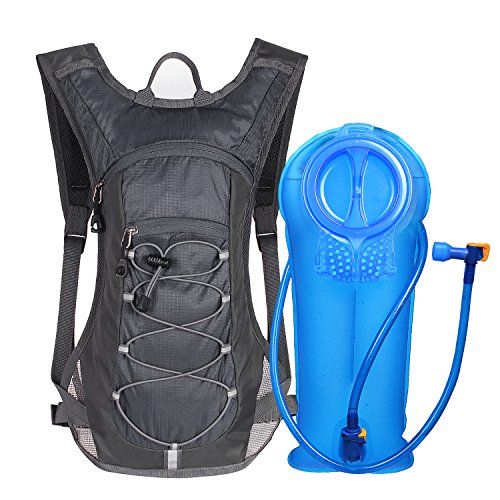
Place the heaviest items, such as a water reservoir, a tent body, or a bulky rain jacket in a stuff sack, in the center of the bag against the back panel, between your shoulder blades and mid-back. Heavy weight low and far from your back causes the pack to pull you backward.
Mid-weight items in the center
Food, a light insulated layer, and clothing go in the middle and upper sections. Keep your rain shell at the top or in the front pocket so you can reach it quickly.
Small and on-trail items in the outer pockets
Sunscreen, a headlamp, snacks, a map, and your phone belong in the lid pocket, hip belt pockets, or side pockets. If you need a tool or item several times an hour, it should not require unpacking the main compartment.
A sample load and its approximate distribution
| Zone | Items | Approximate share of load |
|---|---|---|
| Against back panel, center | Water reservoir, tent or bulky shell | 30 to 40 percent |
| Middle compartment | Food, insulated layer, clothing | 30 to 40 percent |
| Top and lid | Rain shell, first aid kit | 10 to 15 percent |
| Side and hip pockets | Snacks, sunscreen, phone, headlamp | 10 to 15 percent |
These shares are a starting point for a day hike. Adjust them to your own load and check that the pack does not lean away from your back.
Step 4: Compress and Stabilize the Load
Use the compression straps on the sides of the pack after loading. They keep the contents from shifting, which matters more than most people expect. Cinch them until the bag feels firm, but do not overtighten so much that the fabric bows or the zippers strain. If the bag is only partly full, compress it fully. A half-empty daypack with loose items tends to swing and bounce on descents.
Check the hydration hose route and the lid buckle too. A hose that pulls the bladder off-center will tilt the load, and a loose lid can flap.
Step 5: Do a Short Test Walk
Before a long trip, walk at least 20 to 30 minutes on varied ground with the loaded pack. Listen for rubbing at the shoulders, hot spots at the hips, or a pull at the sternum. Re-tighten and adjust in small increments. Stop and reposition the pack if you feel pressure points on the collarbone or the back of the neck.
Recommended gear
These items are useful additions for a 32-liter day hike setup.
- Hydration reservoir in the 2-liter class: A reservoir that fits the central back panel keeps weight close to your spine and makes the balance easier to control. View on Amazon
- Compression stuff sacks: Sorting clothing and food into labeled sacks makes it easier to load the pack in the right order and keeps items dry. View on Amazon
- Lightweight rain shell: A packable rain jacket is easier to reach near the top of the pack and is worth keeping in the outer zone for quick access. View on Amazon
Common Mistakes
- Filling the whole 32 liters for a short hike. Extra volume encourages overpacking and shifting weight.
- Loading heavy items at the bottom or the lid. Weight should sit high and close to your back.
- Skipping the hip belt. On a load over about 10 pounds, the hip belt should carry most of the weight.
- Tightening the shoulder straps first and ignoring the hip belt. The hips should take the load, not the shoulders.
- Never re-adjusting after loading. Weight changes the fit, so adjust again once the pack is full.
- Forgetting that compression straps prevent sway. A loose, half-filled bag is less stable than a snug one.
FAQ
Is a 32L daypack big enough for an overnight trip?
Usually not on its own. A 32-liter bag can work for a very light overnight with a compact sleep system, but most people need a larger pack for a tent, sleeping bag, and multi-day food. Check the packing list for your trip before deciding.
How much weight should a 32L daypack carry?
For a day hike, a load of about 10 to 18 pounds is common. Heavier loads need a firmer back panel and a properly fitted hip belt. If you regularly carry more, check the manufacturer’s weight guidance for the model.
How do I know if the pack fits?
The hip belt should sit on your hip bones, the shoulder straps should wrap your shoulders without lifting, and the pack should not sway when you walk. If the top of the pack sits above your shoulders or the belt rides on your stomach, check the torso length.
Where should I put my water?
In a hydration reservoir, place it in the sleeve against the back panel, centered. Keep it near the middle of your spine so it does not pull you to one side.
Can I use a 32L daypack as a carry-on or travel bag?
Many people do, but check the airline’s size limits before you travel. Dimensions and weight limits vary by carrier, so confirm with the airline directly.
Should I compress the pack even when it is not full?
Yes. Compression keeps the contents from shifting, which improves balance and comfort. A partly empty bag is more likely to swing on uneven ground.
How often should I re-adjust the straps?
Adjust them at the start of each outing and again after your first stop, since loads settle and straps can loosen. If you feel new pressure points, make small changes rather than large ones.
Do I need a professional fitting?
Many people fit a pack well on their own using the steps above. If you have back, neck or shoulder problems, consult a physical therapist or a qualified outdoor gear fitter before loading the pack heavily.
For more on comparing models in this size class, see Cotopaxi Mente 32L Daypack: 6 Best Picks Compared (2026). If you are weighing a bag with more volume, Travel Backpack With Daypack: 5 Best Picks Compared (2026) covers a different use case. For lighter options, Top 5 Lightweight Daypacks for Hiking Picks for Trail Days 2026 is a useful next read, and Top 6 Lightest Daypacks for Hiking Picks for Trail Days 2026 goes further on weight.
Conclusion
A mente cada dia 32L daypack works best when the torso length matches, the hip belt carries the load, and the contents are packed heavy-to-the-back and compressed snugly. Use the step-by-step routine here before every trip and re-check the fit after loading. With that routine in place, a 32-liter pack becomes a dependable tool for day hikes and everyday carry.
Related reading
Ready to choose one?
About Colin Foster
Colin Foster is part of our editorial team and reviews and edits our backpacks & packing systems guides, checking product details against manufacturer specifications and owner feedback.