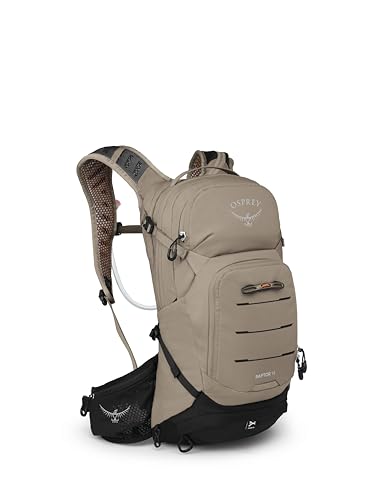
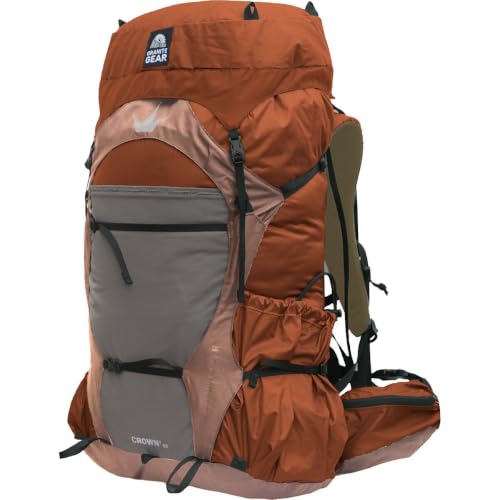
By Colin Foster
The best North Face daypack depends mostly on what you carry and where you carry it. In this guide you will learn how to match a daypack’s volume, suspension and feature set to your routine, then see how to narrow the North Face lineup to a short list you can actually compare. By the end, you should be able to pick a pack for day hikes, city commuting or travel without guessing at specs.
Start With Your Use Case, Not the Product Page
Most people buy a daypack for one of three jobs: hiking, daily commuting or light travel. Each job pulls the pack in a different direction. A trail pack needs a hip belt, a hydration sleeve and external attachment points for trekking poles. A commuter pack needs a padded laptop sleeve, a clean front panel and a shape that does not swing when you bike or ride the train. A travel-day pack needs quick-access pockets for documents and a little extra room for a jacket and snacks.
Write down your typical day before you look at any model. Include what you carry, how long you are usually out, the weather you expect and whether you walk, climb, bike or ride transit. That list will do more to shrink your options than any review.
Choose a Volume Range
Daypack capacity is measured in liters. The ranges below are common across the category, though exact numbers vary by model:
| Typical Use | Volume Range | What It Fits |
|---|---|---|
| City commuting and errands | 15 to 22 L | Laptop, water bottle, lunch, rain shell |
| Half-day hikes and gym | 20 to 30 L | Hydration reservoir, layers, snacks, first aid kit |
| Full-day hikes and light travel | 28 to 35 L | Insulated layer, larger food supply, camera gear |
If you are between two sizes, pick the smaller one unless you know you regularly carry bulky items. Bigger packs encourage overpacking, and extra weight on your back is usually the first thing to hurt on a long walk.
Check Torso Length and Fit
Torso length, not your overall height, determines how a pack sits. Measure from the bony bump at the base of your neck (C7 vertebra) down to the top of your hip bones. Many outdoor brands sort their daypacks into small, medium and large torso ranges. If the pack is too long, the hip belt rides above your hips and the load pulls on your shoulders. If it is too short, the belt sits on your belly and the top of the pack digs into the back of your neck.
When trying a pack on, load it to roughly the weight you will carry. Tighten the shoulder straps first, then the hip belt, then the sternum strap. The weight should settle onto your hips rather than your shoulders. Walk around for several minutes before deciding.
Compare the Features That Change Daily Use
Suspension and Back Panel
Daypacks range from minimal foam-padded back panels to frames with aluminum or composite stays. Lightweight daypacks often suit commuting and short hikes. Packs with a stiffer frame and a true hip belt handle heavier loads more comfortably, and they tend to keep their shape better when partly filled.
Access and Organization
- Top lid pocket: handy for keys, sunscreen and a phone you reach for often.
- Front stash pocket: good for a rain shell or gloves you want fast access to.
- Side water bottle pockets: check whether they hold your specific bottle size with the pack on.
- Clamshell or U-shaped zip: opens the main compartment wide so you can see everything inside, a real advantage for travel days.
- Laptop sleeve: look for padding and a position that keeps the laptop close to your back.
Hydration and Attachment Points
If you plan to use a hydration reservoir, confirm the pack has a sleeve sized for it and an exit port near the shoulder strap. External daisy chains, gear loops and bungee cords are useful for trekking poles, a rain jacket or a wet swimsuit. Attachment points you never use are only weight, so pick the features that match your routine.
Weather Protection
Some North Face daypacks are built with water-resistant fabrics and sealed seams, while others rely on a separate rain cover or on a dry bag inside. Waterproof ratings from manufacturers apply to specific construction, so read the product specifications closely. If you hike in wet climates, consider a model designed for that purpose, such as those covered in our guide to 9 Best North Face Waterproof Daypack Options for Wet Weather Hiking.
Narrow the North Face Lineup by Category
North Face sells daypacks across several lines, and naming overlaps between seasons can be confusing. Sort your shortlist by line rather than by model number so you compare like with like:
- Pick the category that matches your job: hiking, urban or travel.
- Within that line, filter by volume range from the table above.
- Check torso fit and the specific features on your list.
- Compare the remaining two or three packs side by side with the manufacturer’s dimensions and weight.
For city and everyday carry, the lighter urban-styled models are often the better fit. Our breakdown of the 7 Best North Face Recon Daypack Options for Everyday Carry (2026) walks through options in that category. If you care about where a bag is produced as well as how it performs, the Made in USA Daypack: 8 Best American-Made Daypacks for Everyday Use (2026) article covers domestic options for comparison.
Recommended gear
These accessories are useful companions for a North Face daypack. Confirm compatibility with your specific model before buying.
- Dry bag liner: keeps electronics and spare clothes dry if the outer fabric gets soaked. View on Amazon
- Hydration reservoir: a 2-liter reservoir fits most daypack sleeves and keeps water accessible on the trail. View on Amazon
- Packing cubes: separate small items inside a large compartment so you can find things without unpacking everything. View on Amazon
- Trekking pole straps: secure poles to the pack’s attachment loops without rattling. View on Amazon
Common Mistakes When Buying a Daypack
- Buying by volume alone. Two 25-liter packs can carry very differently depending on frame, belt and torso fit.
- Skipping the load test. An empty pack in a store tells you almost nothing about comfort under weight.
- Ignoring the hip belt. On loads over about 10 pounds, most of the weight should sit on your hips.
- Choosing features you will not use. Extra straps and pockets add weight and bulk.
- Assuming “water resistant” means waterproof. Seams and zippers are often the weak points in wet weather.
Tips for Getting the Most From Your Daypack
- Pack heavy items close to your back and between your shoulder blades.
- Keep frequently used items in the top lid or side pockets so you do not unpack the main compartment at every stop.
- Adjust straps after the first mile, since fabric and load shift as you move.
- Clean the back panel and straps periodically to keep the material from breaking down.
- Check the manufacturer’s care instructions before machine washing, as some coatings do not tolerate it.
FAQ
What size North Face daypack is best for hiking?
For most day hikes, a pack in the 20 to 30 liter range handles water, layers, food and a first aid kit comfortably. Choose the smaller end if you hike light and the larger end if you carry extra insulation or photography gear.
How do I know if a daypack fits me?
Measure your torso length from the C7 vertebra to the top of your hip bones, then compare that to the pack’s sizing range. Load the pack with about the weight you plan to carry and make sure the hip belt rests on your hips.
Are North Face daypacks waterproof?
Some models use water-resistant fabric and sealed construction, while others are only water-resistant. Check the product specifications for the exact rating, and use a dry bag liner for electronics in heavy rain.
Can I use a North Face daypack for a laptop?
Many daypacks include a padded laptop sleeve, but sleeve dimensions vary. Check the internal size against your laptop’s dimensions, including thickness, before buying.
Do I need a hip belt on a daypack?
A hip belt is most useful once your load passes roughly 10 pounds. For light commuting with a few items, it is optional, but for hiking or carrying heavier gear it improves stability and comfort.
Is a North Face daypack good for travel?
It can be. Look for a clamshell or wide-opening main compartment, quick-access pockets for documents and a size that fits your airline’s carry-on limits. Our guide to Best Travel Organizers covers internal organization options that pair well with a daypack.
How long should a daypack last?
With regular use and basic care, a well-made daypack can last for many years. Zippers, straps and the back panel usually wear first, so inspect them periodically. Consult the manufacturer’s warranty terms for coverage details.
Should I choose a daypack or a larger backpack for hiking?
For single-day outings with modest loads, a daypack is usually enough. If you plan overnight trips or need to carry bulky sleeping gear, a larger pack with a more substantial frame is the better choice.
Conclusion
The best North Face daypack for you is the one that matches your volume needs, fits your torso and carries your everyday items without strain. Start with your use case, measure your torso, then compare the features that actually change how you use the pack. Load-test any shortlisted model before committing, and remember that a good fit matters more than the longest feature list.
Ready to choose one?
About Colin Foster
Colin Foster is part of our editorial team and reviews and edits our backpacks & packing systems guides, checking product details against manufacturer specifications and owner feedback.