
 By Colin Foster
Updated November 2026
Shopping for a hydration pack without bladder usually means one of two things: you want to carry water in a bottle or soft flask instead of a reservoir, or you want a pack that holds a bladder but can run with a separate bottle when the bladder is out for cleaning or drying. Either way, the search comes down to a few practical questions: how much the pack holds, whether it fits your torso, how easy it is to refill and where you can stash snacks, a phone and a rain shell. The picks below were chosen on published specifications, brand reputation and common patterns in owner feedback. We did not test them ourselves, and the list is meant to help you narrow the field rather than declare a single winner.
Our top picks at a glance
- 1
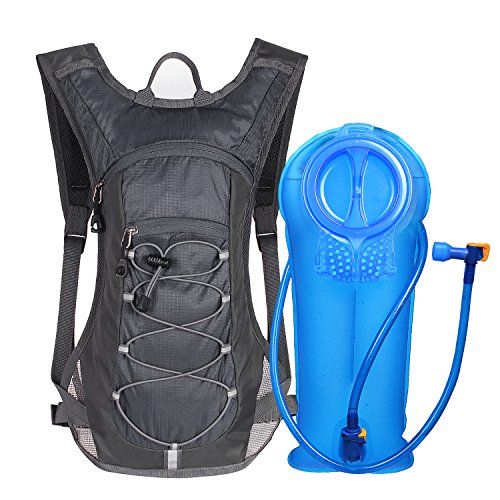 TOP CHOICEBest overallUnigear Hydration Pack Backpack with 2L Water Bladder for Hiking & CyclingView on Amazon
- 2
 TOP CHOICEBest for runningMaelstrom Hydration Backpack with 2L Water Bladder, Lightweight Running VestView on Amazon
- 3
 TOP CHOICEBest for tactical and rough useMARCHWAY Tactical Molle Hydration Pack Backpack with 3L TPU Water BladderView on Amazon
- 4
 Best for a leak-resistant reservoirCamelBak Crux 2L Hydration Reservoir, High Flow Water Bladder, 70oz, BlueView on Amazon
- 5
 Best for all-day daypacksNOOLA Hydration Backpack, 22L Hiking Backpack with 3L Water BladderView on Amazon
- 6
 Best budget pickMARCHWAY Ultra Durable TPU Hydration Bladder with Insulated Tube, 2.5L/3LView on Amazon
Our Top Picks
| Product | Best for | Key feature |
|---|---|---|
| Unigear Hydration Pack Backpack with 2L Water Bladder | General hiking and cycling | Lightweight build with a 70 oz bladder included |
| Maelstrom Hydration Backpack with 2L Water Bladder | Running and marathon training | Vest-style fit with adjustable chest straps |
| MARCHWAY Tactical Molle Hydration Pack Backpack | Rugged use and hunting | 1000D nylon shell with Molle webbing |
| CamelBak Crux 2L Hydration Reservoir | Replacing or upgrading a bladder | Leak-resistant cap with high-flow bite valve |
| NOOLA Hydration Backpack, 22L | Full-day hikes and commuting | 22L capacity with a 3L bladder and rain cover |
| MARCHWAY Ultra Durable TPU Hydration Bladder | Budget-minded buyers and spares | Insulated tube with on/off valve and wide opening |
Unigear Hydration Pack Backpack with 2L Water Bladder for Hiking & Cycling
Unigear Hydration Pack Backpack with 2L Water Bladder for Hiking & Cycling | Lightweight Water Backpack For Running, Biking, Climbing And Camping, 70 Oz Bladder, Hydration Backpack For Hiking
Best for: General hiking and cycling with a light load
This is a good starting point for someone who wants a simple hydration pack for day hikes, bike rides or light trail running. The listing describes it as a lightweight water backpack meant for running, biking, climbing and camping, which covers most casual outdoor use.
Key specs
- Bladder capacity: 70 oz (2L) included
- Designed for hiking, cycling, climbing and camping
Pros
- Light enough for all-day wear on moderate trails
- Bladder included, so the pack is ready to use out of the box
- Versatile across several activities
Cons
- Limited storage compared with larger daypacks
- Capacity suits short to medium outings rather than long multi-day trips
Bottom line: A sensible first pick for hikers and cyclists who want water on the go and do not need much cargo space.
View on AmazonMaelstrom Hydration Backpack with 2L Water Bladder, Lightweight Running Vest
Maelstrom Hydration Backpack with 2L Water Bladder,Lightweight Running Vest | BPA-free,Breathable Shoulder and Back panel,Adjustable Chest Straps,Helmet Storage,Reflective Strip,for Cycling,Marathon
Best for: Running and marathon training
A vest-style pack suits runners who want water and a few essentials without bouncing gear around. The listing highlights a breathable shoulder and back panel, adjustable chest straps and a reflective strip for low-light visibility.
Key specs
- Bladder capacity: 2L included
- Adjustable chest straps and breathable back panel
- Reflective strip and helmet storage
Pros
- Close fit reduces bounce on long runs
- Reflective strip adds visibility at dawn and dusk
- Helmet storage is useful for cyclists who also run
Cons
- Less room for cargo than a full daypack
- Vest fit may feel snug for some torso lengths
Bottom line: A good match for runners and triathlon-style training who want water and minimal gear.
View on AmazonMARCHWAY Tactical Molle Hydration Pack Backpack with 3L TPU Water Bladder
MARCHWAY Tactical Molle Hydration Pack Backpack with 3L TPU Water Bladder | Strong 1000D Nylon, Streamlined Fit, Organized Storage, Military Daypack for Cycling, Hiking, Running, Climbing, Hunting
Best for: Rugged use and hunting
This pack suits buyers who want a tougher shell and modular attachment points. The listing calls out 1000D nylon, a streamlined fit and organized storage, which points to a pack built for abrasion and repeated loading.
Key specs
- Bladder capacity: 3L TPU included
- 1000D nylon construction
- Molle webbing for add-on pouches
Pros
- Heavy-duty fabric suited to brush and rocky terrain
- Molle compatibility allows custom attachments
- Larger bladder capacity than many running packs
Cons
- Heavier than lightweight running vests
- Tactical styling may not suit every trail setting
Bottom line: Best for hunters, hikers and field users who need durability and extra attachment options.
View on AmazonCamelBak Crux 2L Hydration Reservoir, High Flow Water Bladder, 70oz, Blue
CamelBak Crux 2L Hydration Reservoir, High Flow Water Bladder with Leak Resistant Cap for Hiking Biking and Outdoor Use, 70oz, Blue
Best for: Replacing or upgrading a bladder
This is a reservoir rather than a pack. It suits people who already own a hydration pack without a bladder, or who want to swap in a better one. The listing describes a high-flow design with a leak-resistant cap.
Key specs
- Capacity: 70 oz (2L)
- Leak-resistant cap and high-flow bite valve
Pros
- Widely recognized brand with broad compatibility
- Leak-resistant cap reduces spills in the pack
- High-flow valve makes sipping easier on the move
Cons
- Only useful if you already have a compatible pack
- Does not add storage or carrying features on its own
Bottom line: The right pick if you need a reliable bladder for an existing pack.
View on AmazonNOOLA Hydration Backpack, 22L Hiking Backpack with 3L Water Bladder
NOOLA Hydration Backpack, 22L Hiking Backpack with 3L Water Bladder | Lightweight Water Backpack for Women and Men, High Flow Bite, Phone Pocket, Rain Cover, Daypack for Cycling Biking, Black
Best for: Full-day hikes and commuting
A 22L pack gives room for layers, food and a rain cover alongside a 3L bladder. It suits people who want one bag for trail days and urban commuting.
Key specs
- Pack capacity: 22L
- Bladder capacity: 3L included
- Includes phone pocket and rain cover
Pros
- Enough room for full-day gear
- Rain cover and phone pocket are practical extras
- High-flow bite valve is listed
Cons
- Heavier when fully loaded than a vest or running pack
- Larger size may feel bulky for short runs
Bottom line: Good for hikers and cyclists who want one pack for long days and everyday use.
View on AmazonMARCHWAY Ultra Durable TPU Hydration Bladder with Insulated Tube, 2.5L/3L
MARCHWAY Ultra Durable TPU Hydration Bladder with Insulated Tube, 2.5L/3L | Water Reservoir for Hydration Pack, Wide Opening, Smooth Flow, On/Off Valve, Easy Clean for Cycling, Hiking, Running, Campin
Best for: Budget-minded buyers and spare bladders
This is a bladder rather than a full pack. It suits anyone who wants a spare reservoir for a second pack or a replacement for a worn one. The listing points to a wide opening for easier filling and an on/off valve.
Key specs
- Capacity: 2.5L or 3L (listing options)
- Insulated tube and on/off valve
- Wide opening for filling and cleaning
Pros
- Wide opening simplifies filling and drying
- On/off valve helps prevent leaks
- Good value as a spare or replacement
Cons
- Requires a compatible pack or harness
- Not a standalone carrying solution
Bottom line: A practical choice for owners who need a spare or replacement bladder.
View on AmazonBuying Guide
Capacity and Fit
Think about how much water you need per hour and how long you will be out. Many hikers plan roughly half a liter per hour in warm conditions, though needs vary with temperature, effort and body size. Check the torso length of the pack, since a pack that rides too low or too high will feel awkward on the shoulders and hips.
Good picks for this: Unigear Hydration Pack Backpack, Maelstrom Hydration Backpack
Bladder Versus Bottle Access
A bladder lets you drink without stopping, but it can be harder to fill, clean and dry. A pack with bottle pockets or side mesh lets you carry a standard bottle when you prefer one. Consider which setup you will actually use on the trail.
Good picks for this: NOOLA Hydration Backpack, MARCHWAY Tactical Molle Hydration Pack Backpack
Materials and Durability
Look for abrasion-resistant fabrics such as 1000D nylon when you expect rough terrain or heavy loads. TPU bladders are common because they are flexible and resist odor better than some older materials. Check seams and zipper quality, especially for packs used in wet or dusty conditions.
Good picks for this: MARCHWAY Tactical Molle Hydration Pack Backpack, MARCHWAY Ultra Durable TPU Hydration Bladder
Bite Valve and Flow
Flow rate matters more than most buyers expect. A high-flow valve lets you drink while moving without strong suction, which helps on climbs. Check whether the valve has an on/off function to prevent leaks when the pack is in motion.
Good picks for this: CamelBak Crux 2L Hydration Reservoir, MARCHWAY Ultra Durable TPU Hydration Bladder
Cleaning and Maintenance
A wide-mouth bladder is easier to clean and dry than a narrow one. Plan to rinse after each use and dry the bladder fully before storing it. Mildew is the most common problem with bladders that stay damp.
Good picks for this: MARCHWAY Ultra Durable TPU Hydration Bladder, CamelBak Crux 2L Hydration Reservoir
Storage and Extra Features
Check for a phone pocket, rain cover, helmet storage or reflective strips if you plan to ride or run in low light. Extra pockets help keep snacks and small tools accessible without opening the main compartment.
Good picks for this: NOOLA Hydration Backpack, Maelstrom Hydration Backpack
FAQ
Can you use a hydration pack without a bladder?
Yes. Many packs have side pockets or a dedicated sleeve that holds a standard water bottle. You can carry a bottle or soft flask in place of a bladder, though you will need to stop or reach back to drink.
How much water should a hydration pack hold?
For short runs, 1 to 2 liters is often enough. Longer hikes in heat may call for 2 to 3 liters. Plan your water supply based on route length, temperature and how much you sweat.
How do I dry a hydration bladder without mildew?
Rinse the bladder, then hang it open or use a drying rack so air reaches the inside. Make sure the tube and valve are fully dry before storing the pack.
Is a bladder better than a water bottle?
A bladder lets you drink while moving and carries more water in a compact shape. A bottle is easier to refill, clean and monitor. Choose based on how you plan to hydrate on the trail.
Can a bladder freeze?
Yes, a bladder full of water can freeze in cold conditions. Many users keep the tube inside a jacket or drain the bladder when temperatures drop. Consult the manufacturer’s guidance for your specific model.
What should I look for in a running hydration pack?
Look for a snug fit, breathable back panels and secure chest straps to limit bounce. A reflective strip and easy-access pockets are useful for early or late runs.
Conclusion
For a general-purpose pack, the Unigear Hydration Pack Backpack is a straightforward starting point. Runners should look at the Maelstrom vest-style pack. Hunters and rough-use buyers may prefer the MARCHWAY Tactical Molle pack. If you already have a pack and need a bladder, the CamelBak Crux or the MARCHWAY TPU bladder are the most direct options. The NOOLA 22L pack suits longer days, and the 3L bladder setup helps cover more distance. Match the pick to your activity, load and fit, and check the listing details before buying.
Sources
- Guidance on hydration needs and heat-related illness prevention (cdc.gov)
- Trail safety and water planning recommendations for hikers (nps.gov)
- Product safety information for outdoor gear and backpacks (cpsc.gov)
Related reading
- How to Dry Hydration Pack Bladder Fast: 6 Steps Without Mildew
- Osprey Hydration Pack How to Clean: 6 Steps for a Fresh Bladder
- Hydration Pack No Bladder: How to Use a Water Bottle Setup on the Trail
- Hydration Pack Drying Rack: How to Dry Your Bladder and Tube Fast
About Colin Foster
Colin Foster is part of our editorial team and reviews and edits our backpacks & packing systems guides, checking product details against manufacturer specifications and owner feedback.






