
 By Colin Foster
Updated November 2026
Choosing a day pack backpack for hiking comes down to a few practical questions: how much water and food you need to carry, whether the pack will sit comfortably on your back for six hours, and how much you care about weight. This guide compares three small hiking daypacks in the 15 to 20 liter range, which is the size most day hikers actually use. We looked at stated capacity, carry system design, material choices, and the patterns owners tend to mention in feedback, rather than running any tests of our own.
Our top picks at a glance
- 1
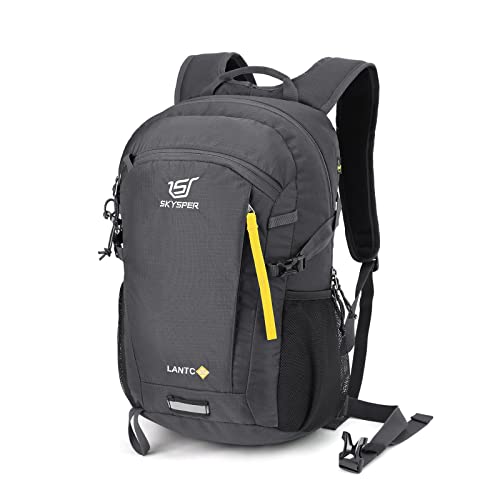 TOP CHOICEBest overallSKYSPER Small Hiking Backpack, 20L Lightweight Travel Backpacks Hiking DaypackView on Amazon
- 2
 Best for minimalist hikersUtiaMiaoGonGo 15L Small Hiking Backpack Travel DaypackView on Amazon
- 3
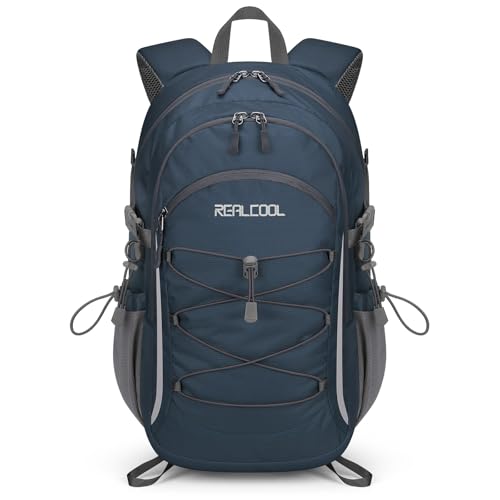 Best for hydration-based hikesRealCool 20L Lightweight Hiking Backpack Small Travel Daypack for CampingView on Amazon
Our Top Picks
The table below summarizes how the three packs compare on the features that matter most for a day hike. The detailed sections that follow explain the trade-offs for each one.
| Product | Best for | Key feature |
|---|---|---|
| SKYSPER Small Hiking Backpack, 20L | General day hikes and travel | 20-liter capacity with a lightweight build |
| UtiaMiaoGonGo 15L Small Hiking Backpack | Short hikes and minimalist packing | Packable, foldable design at 15 liters |
| RealCool 20L Lightweight Hiking Backpack | Hikes that need a water bladder | Hydration system compatibility and tear-resistant nylon |
SKYSPER Small Hiking Backpack, 20L Lightweight Travel Backpacks Hiking Daypack
SKYSPER Small Hiking Backpack, 20L Lightweight Travel Backpacks Hiking Daypack Rucksack Women Men for Trekking Backpacking Outdoor Sports
Best for: General day hiking with enough room for a rain shell, lunch, water and a few extras.
This pack suits hikers who want one bag for most day trips, including trail walks, sightseeing and light travel. At 20 liters it gives room for the essentials on a half-day or full-day outing without the bulk of a larger daypack.
Key specs:
- Capacity: 20 liters (as stated in the listing name)
- Designed for hiking, trekking, camping and outdoor sports
- Lightweight travel-style construction
Pros:
- Capacity suits most single-day outings
- Versatile enough for travel as well as trails
- Compact footprint when not fully loaded
Cons:
- Lightweight designs can feel less supportive when packed heavily
- Limited padding compared with dedicated frame packs
Bottom line: A sensible first pick for hikers who want one flexible small pack for everyday trail use and travel.
View on AmazonUtiaMiaoGonGo 15L Small Hiking Backpack Travel Daypack
UtiaMiaoGonGo 15L Small Hiking Backpack Travel Daypack Colorful Lightweight Packable Foldable Casual Backpack for Women Men
Best for: Short hikes and minimalist packing where every ounce counts. For another angle, check out 3 Best Day Pack Hiking Backpacks (2026): Our Picks.
This is the smallest pack in the group, aimed at hikers who carry only water, a snack, a phone and a layer. Its 15-liter volume keeps the pack light and discourages overpacking on shorter routes.
Key specs:
- Capacity: 15 liters (as stated in the listing name)
- Packable and foldable design for storage when not in use
- Casual styling suited to both men and women
Pros:
- Light and easy to stash in a larger bag
- Good fit for short, low-effort hikes
- Simple layout with fewer parts to fail
Cons:
- Not enough room for a full layering system or extended-day supplies
- Fewer organizational pockets than dedicated hiking packs
Bottom line: Best for hikers who prioritize low weight and plan short outings with minimal gear. For a deeper look, 3 Best Hiking Backpacks with Cooler Options for Day Trips (2026) covers this in detail.
View on AmazonRealCool 20L Lightweight Hiking Backpack Small Travel Daypack for Camping
RealCool 20L Lightweight Hiking Backpack, Small Travel Daypack for Camping | 210D tear-resistant nylon, water-resistant,breathable shoulder and back panel, Multi-Compartment,hydration system,bungee ne
Best for: Hikes where you want a hydration bladder and a water-resistant, tear-resistant shell.
The listing highlights a hydration system, multiple compartments and a breathable back panel, which makes this pack a reasonable choice for warmer hikes where drinking regularly matters.
Key specs:
- Capacity: 20 liters (as stated in the listing name)
- 210D tear-resistant nylon body, described as water-resistant
- Breathable shoulder and back panel, multi-compartment layout, hydration system
Pros:
- Hydration compatibility reduces trips to refill bottles
- Tear-resistant nylon suits brushy trails
- Multiple compartments help separate gear
Cons:
- Water-resistant is not waterproof; a rain cover or dry bags are still needed in wet weather
- Padding and suspension are modest for heavier loads
Bottom line: The right choice for hikers who want hydration built in and a durable shell for regular trail use.
View on AmazonBuying Guide
Before you buy a day pack backpack for hiking, check the factors below. Each one changes how the pack performs on a real trail.
Capacity
Most day hikes fit comfortably in 15 to 25 liters. A 15-liter pack works for short hikes with minimal gear, while 20 liters gives room for a rain layer, extra food and a first-aid kit. Going much larger tends to encourage overpacking.
Good picks for this: UtiaMiaoGonGo 15L Small Hiking Backpack, SKYSPER Small Hiking Backpack, 20L
Hydration Compatibility
If you drink from a bladder, confirm the pack has a sleeve and a hose port. Check the sleeve size against the bladder you own, since many packs advertise compatibility but fit only smaller reservoirs.
Good picks for this: RealCool 20L Lightweight Hiking Backpack
Weight
Pack weight adds up over distance. Lighter packs reduce fatigue, but very light packs usually have thinner fabric and less padding. Weigh the empty pack and decide whether the savings are worth the trade-off for your typical loads.
Good picks for this: UtiaMiaoGonGo 15L Small Hiking Backpack, SKYSPER Small Hiking Backpack, 20L
Fabric and Durability
Denier ratings describe fabric thickness. Higher numbers generally mean a more abrasion-resistant shell, though weight rises with it. Look for reinforced stress points at the shoulder strap anchors and the bottom panel, where wear is most common.
Good picks for this: RealCool 20L Lightweight Hiking Backpack
Water Resistance
Water-resistant coatings shed light rain, but seams and zippers can still leak in sustained wet weather. If you hike in rainy regions, plan to use a rain cover or internal dry bags for electronics and clothing.
Good picks for this: RealCool 20L Lightweight Hiking Backpack
Fit and Torso Length
Measure your torso length from the bony bump at the base of your neck down to the top of your hip bones. Small daypacks often have fixed-length suspension, so a pack that rides too high or too low will feel unstable regardless of how it is loaded.
Good picks for this: SKYSPER Small Hiking Backpack, 20L, UtiaMiaoGonGo 15L Small Hiking Backpack For a deeper look, 3 Best Clever Plus Hiking Backpack Carriers for Trail Days (2026) covers this in detail.
Packability and Storage
If you plan to carry the pack as a secondary bag on a flight or stash it in a larger pack, check how compact it folds. Foldable designs are convenient for travel, but confirm that the zippers and straps still work well after folding.
Good picks for this: UtiaMiaoGonGo 15L Small Hiking Backpack, SKYSPER Small Hiking Backpack, 20L
FAQ
What size day pack backpack is best for hiking?
For most day hikes, 15 to 20 liters covers water, food, a light layer and a few small items. Longer or colder hikes may need 25 liters or more, so match the size to your typical trip length.
Is a water-resistant pack enough for rain?
Water-resistant packs handle light drizzle, but prolonged rain can soak through seams and zippers. Use a rain cover or dry bags for anything you cannot afford to get wet.
Can I use a small daypack for overnight trips?
A 20-liter pack is generally too small for overnight gear such as a sleeping bag and tent. It can work for a lightweight overnight with a very compact kit, but a dedicated backpacking pack is a better fit.
How do I check whether a pack fits my torso?
Measure your torso length and compare it with the pack’s size range or suspension adjustment. Load the pack to about 10 pounds and walk around; if the hip belt sits on your hip bones and the shoulder straps do not pull, the fit is likely acceptable.
Do I need a hydration sleeve?
A hydration sleeve is useful if you drink frequently on the trail, since it makes sipping easier than stopping to unpack a bottle. If you prefer bottles, a pack with side pockets may be enough. If you want more background, see 4 Best Hiking Backpacks with Rain Cover for Wet Trail Days.
How should I care for a hiking daypack?
Rinse off dirt and sweat with mild soap and water, let the pack air dry away from direct heat, and avoid storing it damp. Check zippers and stitching periodically, especially after rough trips.
Conclusion
The three packs above cover different needs within the day pack backpack hiking category. The SKYSPER 20-liter pack suits general day hikes and travel. The UtiaMiaoGonGo 15-liter pack fits minimalists and short routes. The RealCool 20-liter pack is the most practical choice if you want a built-in hydration system and a tougher shell. Match the capacity and features to your typical hike length, weather and water needs, and confirm the fit before committing.
Sources
- Trail planning, safety and leave-no-trace guidance for day hikers (nps.gov)
- Hydration and heat-illness information relevant to planning water needs on hikes (cdc.gov)
Related reading
- Pack Backpack for Hiking: 5 Best Picks for Day and Overnight Trips
- How to Pack Hiking Backpack: A Step-by-Step Guide for Trail Days
- Essentials for Hiking Backpack: 12 Items to Pack for Day and Overnight Trips
- Best Backpack for Multi Day Hiking: How to Choose the Right Pack for 3–7 Days
- 7 Best Way to Pack Hiking Backpacks: Best Packs for Trail Days (2026)
- 5 Best Hiking Backpacks with Hydration Pack for Day Trails (2026)
About Colin Foster
Colin Foster is part of our editorial team and reviews and edits our backpacks & packing systems guides, checking product details against manufacturer specifications and owner feedback.




