 By Colin Foster
If you want top rated running hydration packs that stay put at pace, carry enough water for long efforts, and leave room for a phone and a few gels, this list is for you. Most runners who buy a hydration pack are choosing between a vest that fits like a second layer and a small pack that carries more gear. The key buying factor is fit: a pack that bounces, rubs, or sloshes will cost you more comfort than an extra liter of capacity ever will.
Quick picks
| Pick | Best for | Key feature |
|---|---|---|
| Salomon ADV Skin 5 Set | Trail runners who want a snug, low-profile fit | Stretch-knit front with soft flasks included |
| Salomon ADV Skin 12 Set | Long-distance and ultra training with mandatory gear | Larger capacity with a wide, stable harness |
| Ultimate Direction Ultra Vest | Runners who prioritize quick bottle access | Front bottle pockets that are easy to grab on the move |
| CamelBak Ultra Pro Vest | Road and trail runners who want a lightweight option | Low-weight build with a streamlined fit |
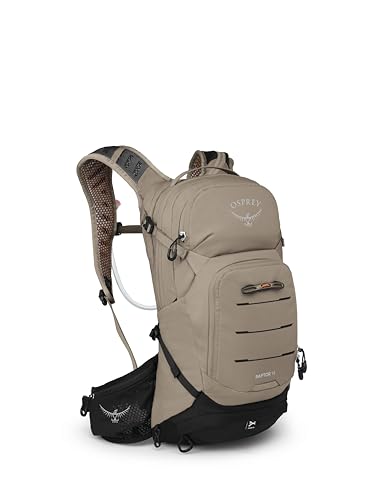
| Osprey Duro 6 | Runners who want a pack with more storage for layers | Back-panel storage paired with a hydration reservoir |
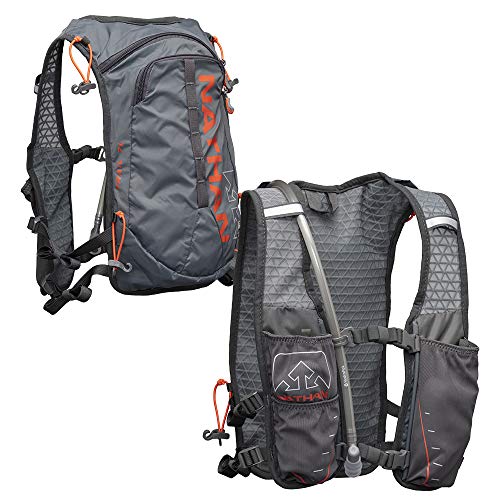
| Nathan Pinnacle 4L | Runners who carry a phone, keys, and food | Multiple organized pockets with a stable chest strap |
| CamelBak Circuit Vest | Shorter runs and beginners on a budget-conscious shopping list | Simple, minimal design with easy adjustment |
How we chose
This list is built from research, not hands-on testing. We did not run in these packs, and nothing here should be read as a lab result. Instead, we compared what manufacturers publish and what owners tend to say across reviews and forums.
We used four lenses:
- Published specifications. We compared stated fluid capacity, included flasks or reservoirs, pocket count, approximate weight, and whether the pack is a vest or a waist-and-back design. Where a manufacturer lists a capacity range or a weight, we noted it and treated it as a claim to verify, not a guarantee.
- Brand reputation. We favored established running and outdoor brands with a track record of product updates, replacement parts, and clear sizing charts.
- Owner feedback patterns. We looked for recurring themes rather than single reviews. Owners often report that fit and bounce matter more than any single feature. Owners also frequently mention bottle access on the move, how well flasks seal, and whether the pack stays put on uphill sections.
- Fit for purpose. Each pick is matched to a type of run, from short road loops to multi-hour trail sessions.
If a feature is not listed in a manufacturer’s material, we did not assume it. Check the product page for current specs before you buy, since models and colors change.
Salomon ADV Skin 5 Set
Who it’s for: Trail runners who want a close, quiet fit for runs of two to three hours, and who prefer soft flasks over a bladder.
Manufacturers describe the ADV Skin 5 as a vest with roughly five liters of total capacity and soft flasks included in the set. The front is built from a stretch knit that is designed to hug the torso, which is a major reason owners tend to mention low bounce.
Pros:
- Snug, low-profile fit that owners often describe as stable on technical terrain
- Soft flasks are easy to refill and sit securely in the front pockets
- Clear pocket layout for keys, gels, and a phone
Cons:
- Sizing is precise, so you need to measure carefully before ordering
- Less room for bulky layers than larger packs
Salomon ADV Skin 12 Set
Who it’s for: Ultra and long-distance runners who need to carry mandatory gear, extra food, and a light shell for changing weather.
The ADV Skin 12 is the larger sibling in the ADV Skin line. Manufacturers list around twelve liters of capacity, which covers mandatory gear for many race formats. The harness is wide to spread load across the shoulders and chest, and owners often report that it stays comfortable even when packed.
Pros:
- Enough room for a jacket, extra calories, and emergency items
- Wide harness spreads weight and reduces shoulder fatigue for many users
- Flasks and pockets stay accessible without unpacking the whole vest
Cons:
- Heavier than minimal vests, which matters on short efforts
- Can feel like too much pack if you only run short distances
Ultimate Direction Ultra Vest
Who it’s for: Runners who reach for water often and want front bottles they can grab without stopping.
The Ultra Vest is known in running circles for its front bottle pockets, which are positioned for one-handed access. Owners often mention that the fit is adjustable enough to suit a range of torso lengths, though sizing charts should be checked against your measurements.
Pros:
- Front bottle pockets allow quick, one-handed access on the move
- Adjustable fit suits many body types
- Ventilated back panel helps with airflow on warm runs
Cons:
- Bottles require a bit of practice to get in and out smoothly
- Storage at the back is more limited than in larger packs
CamelBak Ultra Pro Vest
Who it’s for: Road and trail runners who want a lightweight vest for shorter to mid-length runs and prefer a streamlined build.
CamelBak is one of the best-known names in hydration, and the Ultra Pro is designed as a lighter-weight running vest. Manufacturers emphasize low weight and a close fit, which suits runners who notice every gram over a long session.
Pros:
- Low overall weight compared with larger packs
- Streamlined fit that reduces bounce for many runners
- Established brand with wide availability of replacement parts
Cons:
- Limited space for extra layers or food on longer efforts
- Fit is close, so runners with broader builds may need to size up carefully
Osprey Duro 6
Who it’s for: Runners who want a hydration pack that also handles a rain shell, a warm layer, and small items for longer outings.
The Duro line from Osprey is built around a more structured pack body than a typical vest. Manufacturers describe it as a hydration-ready pack with a reservoir sleeve and additional storage. Owners often report that the back panel and harness make it feel more like a daypack than a race vest.
Pros:
- Room for layers and a rain jacket, which helps in unpredictable weather
- Reservoir sleeve keeps the bladder separate from other gear
- Structured back panel suits runners who carry more than water
Cons:
- Heavier and bulkier than vest-style packs, which can feel like extra weight on fast runs
- Less of a snug fit, so it is better suited to hikers who run than to pure racers
Nathan Pinnacle 4L
Who it’s for: Runners who carry a phone, keys, a card, and food, and want those items organized rather than loose.
Nathan is a long-established running hydration brand, and the Pinnacle 4L is positioned for runners who want several defined pockets. Manufacturers list about four liters of capacity, and the chest strap is designed to keep the pack stable on uneven ground.
Pros:
- Organized pockets keep essentials separated and easy to find
- Chest strap helps stabilize the load
- Good balance of storage and weight for mid-length runs
Cons:
- Pocket layout is a matter of preference, and some runners find it busy
- Capacity is modest for runs that require extra layers
CamelBak Circuit Vest
Who it’s for: Beginners and runners on shorter routes who want a simple, easy-to-adjust vest without extra features.
The Circuit Vest is one of the more minimal options in this list. It offers basic storage and an adjustable fit, which makes it a reasonable starting point for runners who are not yet sure how much water or gear they need.
Pros:
- Simple design that is quick to put on and adjust
- Good entry point for runners new to hydration vests
- Established brand with straightforward sizing
Cons:
- Less storage and fewer pocket options than premium vests
- May not suit very long efforts or cold-weather layering
Buying guide: the factors that matter
Choosing among top rated running hydration packs comes down to a handful of decisions. Work through these in order, and you will narrow the field quickly.
1. Fit and bounce
Fit is the most common reason runners return a pack. A vest should sit high on the chest without riding up on the neck, and the back should not shift when you change pace. Measure your chest and torso before you order, and compare those numbers to the manufacturer’s sizing chart. If you are between sizes, read owner comments about how each size feels when the pack is partly full.
2. Fluid capacity and how you carry it
Most runners think about total liters first, but the carrying method matters just as much. Soft flasks are easy to refill and sit well on the front of a vest. Bladders hold more water and keep weight closer to your back, but they require careful routing and cleaning. As a rough planning guide, many runners aim for around 500 to 750 milliliters per hour in warm conditions, though needs vary widely by body size, pace, and heat. Check your own numbers on a training run before setting your race plan.
3. Pocket layout and access
Ask yourself which items you need while moving. If you reach for water every few minutes, front bottle pockets matter more than back storage. If you carry a phone and keys, look for a secure zippered pocket that will not bounce open. Test the access in-store or with a dry run at home so you know how the pack feels with your own gear.
4. Weight and load distribution
Lighter packs feel faster, but very light packs can carry poorly once they are full. A wider harness and a chest strap help spread the load. For runs over two hours, weight distribution often matters more than the scale reading. Keep heavy items close to your back and centered.
5. Comfort materials and ventilation
Mesh panels and breathable fabrics affect how much your back sweats under load. Owners in warm climates often mention ventilation as a key comfort factor. Look for a back panel that does not trap heat, and check whether the straps have soft edges that will not chafe during long efforts.
6. Durability and replacement parts
Hydration packs get wet, sweaty, and stretched. Established brands tend to sell replacement flasks, bladders, and straps separately, which can extend the life of a pack you already like. Before buying, check whether the brand offers spare parts for the model you are considering.
If you are also organizing gear for trips beyond the trail, you may find related guides useful. For example, Best Packing Accessories covers small add-ons that work well with any daypack, and Best Leak-Proof Travel Bottles is worth reading if you want a backup for water storage.
FAQ
Is a hydration vest better than a hydration pack for running?
It depends on how much you carry. Vests are usually lighter and fit closer to the body, which suits fast runs and races. Packs with a back panel and larger storage can handle extra layers, food, and emergency gear, which suits long trail outings. Many runners own both and choose based on the route.
How much water should I carry on a run?
Fluid needs vary by temperature, intensity, body size, and sweat rate. Many runners plan for roughly 500 to 750 milliliters per hour in warm weather, but this is a starting point, not a prescription. If you have medical conditions or take medications that affect fluid balance, consult a doctor or a registered dietitian before setting a hydration plan.
Should I choose soft flasks or a bladder?
Soft flasks are easy to fill, clean, and access on the move, and they make it simple to see how much you have left. A bladder holds more water and keeps weight closer to your back, but it needs careful cleaning and routing to avoid leaks or taste buildup. If you run short to medium distances, flasks are often the simpler choice. For long efforts where you need a lot of volume, a bladder may suit you better.
How should a hydration pack fit when I run?
The pack should sit high on the chest and stay still when you change pace. Tighten the chest strap and side straps so the load rests against your back, not your shoulders. If the pack bounces, check the sizing and load it with the weight you plan to carry, since an empty pack can feel different from a full one.
Related reading
About Colin Foster
Colin Foster is part of our editorial team and reviews and edits our backpacks & packing systems guides, checking product details against manufacturer specifications and owner feedback.