By Colin Foster
Updated November 2026
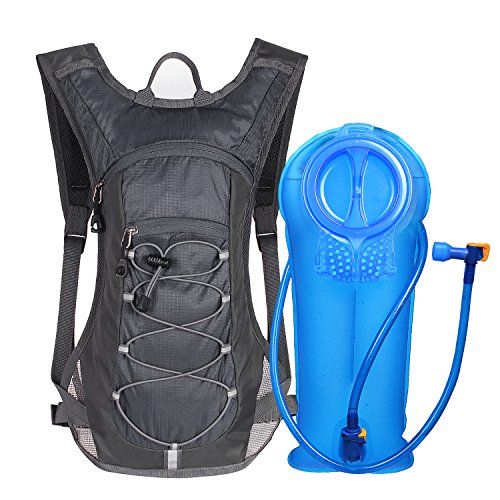
An outside lands hydration pack is a small backpack with a water bladder and drinking tube, and it lets you carry enough water for a long festival day with both hands free. This guide walks through how to pick the right capacity, get a proper fit, pack it sensibly and avoid the mistakes that leave people dehydrated or sore by the afternoon.
Step 1: Pick a capacity that matches your day
Most festival days involve walking several miles between stages, standing in heat and sometimes waiting in lines. A pack in the 1.5 to 2-liter bladder range covers a full day for most people, especially if you can refill at water stations. If you plan to carry extra layers, snacks and a phone battery, a pack with 8 to 12 liters of total storage gives you room without becoming bulky. Smaller packs feel better in a crowd and are less likely to bump into people.
Shopping for one? See our guide: 7 Best Top Rated Running Hydration Packs (2026): Expert Picks.
Step 2: Get the fit right before you fill it
A hydration pack that rides too low or too loose will bounce and tire your shoulders. Tighten the sternum strap so it sits across your upper chest, and set the hip belt so it rests on your hip bones rather than your waist. The load should sit close to your back and not swing side to side. Many manufacturers specify a torso length range for their packs, so measure from the base of your neck to your hip bones and compare that to the size chart before you buy.
Step 3: Choose bladder and tube features that suit the heat
Look for a bladder with a wide opening so you can fill it from a water station without spilling, and a bite valve that shuts off when you are not drinking. A tube insulator helps keep water cooler in direct sun. If you tend to drink slowly, a bladder with a clear window lets you see how much is left without unclipping the pack.
Step 4: Pack for quick access and balance
Put the bladder in the sleeve against your back, with the tube routed out over your shoulder. Keep heavier items such as spare battery packs and layers close to your back and centered, and place lightweight items like snacks or sunscreen in the outer pockets. Store anything you may need during a set, including a phone, ID and ticket, in a front or hip pocket so you do not have to take the pack off.
Step 5: Run a short test and check your water intake
Before the event, wear the pack around your home or on a short walk with it filled to the amount you plan to carry. Check for rubbing, shoulder fatigue and tube leaks. A common rule of thumb is to drink steadily through the day instead of waiting until you feel thirsty, but individual needs vary with heat, activity and health. If you have a medical condition or take medication that affects fluid balance, consult a doctor before setting a daily target.
Checklist for the day
- Bladder filled and tested for leaks
- Tube and bite valve checked
- Sunscreen, hat and a light layer packed
- Phone, ID and ticket in a front pocket
- Battery pack and charging cable stowed in the main compartment
- Pack fit adjusted after loading
Common mistakes
- Buying a pack that is too large, which adds weight and bulk you do not need.
- Leaving the sternum strap loose, so the pack swings with every step.
- Filling the bladder all the way and then bumping it, causing leaks into electronics.
- Relying on one large drink instead of sipping regularly through the day.
- Skipping a test run and discovering rubbing blisters on the first hot afternoon.
Recommended gear
A wide-mouth bladder with a clear window makes refilling at water stations quicker and lets you see how much you have left. View on Amazon
A tube insulator sleeve helps keep water cooler on exposed walks. View on Amazon
FAQ
How much water should I carry in an outside lands hydration pack?
A 1.5 to 2-liter bladder covers most of a festival day, especially if you can refill along the way. Heat, pace and personal needs all change the amount, so adjust as needed.
Can I use a hydration pack in the crowd?
Yes, but choose a slimmer pack and keep the tube secured so it does not snag on people or gear. Keep the bite valve closed when you are not drinking.
Should I pack my phone in the hydration pack?
You can, but a front or hip pocket is easier to reach and keeps electronics away from a bladder that might leak. Check the official event site for bag policies before you go.
Conclusion
A well-fitted outside lands hydration pack keeps your water within reach and your hands free for the whole day. Choose a capacity that matches your plans, set the fit before you fill it, and test the setup at home. Check the official event site for current bag rules and water refill details before you go.
Related reading
- Zulo 2L Hydration Waist Pack: Fit, Fill and Use It in 5 Steps
- Women's Running Hydration Pack: 3 Best Options for Every Run (2026)
- Where to Find Osprey Hydration Pack Replacement Parts: 5 Steps
- Where Can I Find Hydration Pack Replacement Parts? 5 Steps to Get Them
- West Slope Hydration Pack: 4 Best Options Compared (2026)
Ready to choose one?
About Colin Foster
Colin Foster is part of our editorial team and reviews and edits our backpacks & packing systems guides, checking product details against manufacturer specifications and owner feedback.