By Colin Foster
Updated November 2026
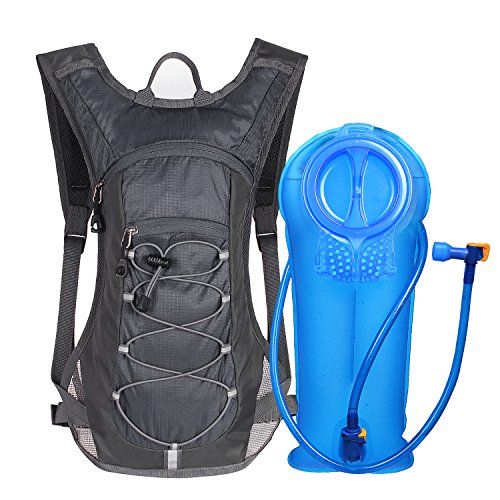
Filling a uswe hydration pack takes about two minutes once you know the order of operations. You will prepare the bladder, fill it without spilling, seal it correctly, and route the hose so it stays put while you move. Get these steps right and you avoid the two most common problems: leaks and a hose that pulls water in the wrong direction.
What You Need Before You Fill
Gather a few basics before you open the bladder. Most uswe packs come with a bladder designed for their closure system, so check that the cap and seal are intact and the drink tube fits snugly.
Shopping for one? See our guide: 6 Best USWE Race 2.0 2L Hydration Pack Options for Trail Riding (2026).
- A clean, empty bladder (or one freshly rinsed)
- Cold, clean water or an electrolyte drink you trust
- A funnel or the wide-mouth fill opening on the bladder
- A clean towel to catch drips
- Mild dish soap and a bladder brush for cleaning, if needed
Step-by-Step: Filling the Bladder
- Inspect the bladder. Hold it up to a light and look for pinholes, cracks, or cloudy patches near the seams. Replace the bladder if you find damage.
- Open the closure. Unscrew or unclip the cap, then open the zipper or roll-top that gives you access to the interior.
- Fill through the wide opening. Pour water slowly, using a funnel if the opening is narrow. Stop when the bladder reaches roughly 3 to 4 inches from the top. This gap gives the water room to slosh without forcing air into the hose.
- Remove trapped air. Roll the bladder from the top down, pressing out air through the opening. Air pockets cause gurgling and make the hose spit.
- Seal the bladder. Press the closure shut, then run your fingers along the seal to confirm there are no gaps or folds.
- Test before loading. Hold the bladder over a sink and squeeze gently. Watch the hose and seal for any drips before you put the pack on.
Routing the Hose and Placing the Bladder
Good routing keeps the hose within easy reach and prevents it from pulling on the bladder. Place the bladder in its sleeve with the drink port facing the same side as your shoulder strap where the hose exits. Run the tube along the shoulder strap, secure it with the clips, and let a little slack hang so your head can turn without tugging.
Check the bite valve by sucking gently. Water should flow only when you pull. If it drips at rest, tighten the connection at the bladder port or confirm the valve is seated correctly.
Checking Water Level Against Pack Weight
A full 3-liter bladder weighs about 6.6 pounds (3 kilograms), which is significant on a short run. Fill only what you need for the planned outing, and keep the bladder upright in the pack so the weight sits close to your back.
Common Mistakes to Avoid
- Overfilling to the brim, which leads to leaks at the closure.
- Leaving air in the bladder, causing hose gurgle and poor flow.
- Skipping the leak test, then discovering the problem halfway up a climb.
- Storing a wet bladder in the pack, which encourages mildew and odor.
- Routing the hose too tight, so the valve pulls out during movement.
Recommended Gear
A wide-mouth funnel makes filling faster and reduces spills, especially with cold or sticky drinks. View on Amazon
A bladder cleaning brush reaches the corners where residue builds up, which keeps the interior fresh between uses. View on Amazon
FAQ
Can I use hot water in a uswe hydration bladder?
Avoid hot water, since heat can soften the bladder material and stress the seams. Cool or room-temperature water is the safer choice for regular use.
How often should I clean the bladder?
Rinse it after every use and do a full cleaning with mild soap and a brush about once a week during frequent use. Let it air-dry fully with the cap open before storing.
What if my hose gurgles after filling?
Trapped air is the usual cause. Lift the bladder, roll it to push air toward the fill opening, and refill the hose by sucking until water flows. Worth reading next: How to Make a Hydration Pack: A Step-by-Step Guide for Beginners.
Conclusion
Filling a uswe hydration pack correctly comes down to inspecting the bladder, leaving headspace, removing air, and testing the seal before you leave. Route the hose with slack so it stays comfortable while you move. Build these habits into your routine and your water will flow reliably on every outing.
Related reading
- Uswe Hydration Pack Sale: How to Spot Real Deals and Pick the Right Pack (2026)
- Osprey Hydration Pack How to Use: 6 Steps From Fill to First Sip
- Hydration Pack for Runners: How to Choose, Fit and Fill One (2026)
- Hydration Pack for Osprey: How to Choose, Fit and Fill One in 6 Steps
Ready to choose one?
About Colin Foster
Colin Foster is part of our editorial team and reviews and edits our backpacks & packing systems guides, checking product details against manufacturer specifications and owner feedback.