By Colin Foster
Updated November 2026
Hiking hydration pack reviews are most useful when you know what to look for in them. This guide walks you through how to read a review critically, which specs actually matter on the trail, and how to match a pack to the kind of hiking you do. By the end, you will be able to shortlist two or three packs with confidence.
Start With Your Hiking Profile
Before you read a single review, decide how you hike. A day hiker carrying a light layer, snacks and a phone has different needs than someone on a multi-hour ridge run. Most hydration packs fall into a few capacity bands, and reviewers tend to test them under similar conditions, so matching the band to your trips is the fastest filter.
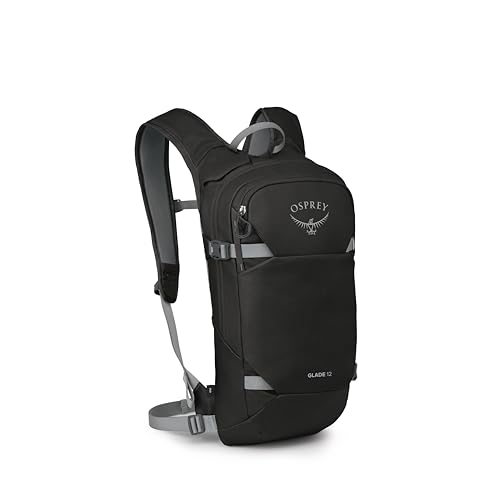
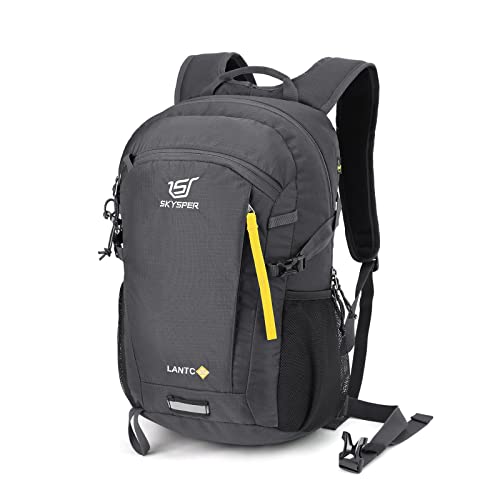
Shopping for one? See our guide: 3 Best Hiking Packs with Hydration for Trail Days (2026).
- Short day hikes (under 3 hours): a 1.5 to 2 liter water capacity with a small storage area is usually enough.
- Full day hikes (4 to 8 hours): look for 2 to 3 liters of water and room for a shell, first aid kit and food.
- Hot or exposed routes: plan for more water than you think you need, and check whether the reviewer tested in heat.
Read Reviews for Fit and Load Carry
A hydration pack that holds water well but sits badly on your back will be ignored after the first hour. When you read hiking hydration pack reviews, look for comments on torso length, hip belt design and how the load shifts on climbs. Reviewers who mention their own torso measurement or height give you a much clearer comparison than general praise.
Pay attention to how the reviewer describes the pack when it is full, not just empty. Owners often report that a pack feels stable at 5 pounds and sways at 15, so a review that mentions load weight is more useful than one that does not.
Check the Bladder and Drink System
The reservoir is where many packs succeed or fail. Look for reviews that talk about how easily the bladder fills, whether the opening is wide enough to clean, and whether the hose clips or magnetic bite valve stay out of the way. Leaks at the hose connection and slow flow through a narrow tube are common complaints, so note whether reviewers report either.
Manufacturers usually specify bladder capacity and material, but reviews reveal how the system behaves in practice, especially after weeks of use and cleaning.
Checklist for Reading a Review
- Did the reviewer state their height, torso length or typical hiking duration?
- Did they test with a realistic load, not an empty pack?
- Do they describe the bladder fill, cleaning and hose behavior?
- Are pockets and attachment points described for actual use, such as reaching a phone or trekking pole?
- Is there mention of durability after repeated use or dirt exposure?
Compare Packs Side by Side
Once you have three or four candidates, put their key traits in a simple table. This keeps you from being swayed by one enthusiastic review.
| Factor | What to look for |
|---|---|
| Water capacity | Matches your longest typical hike |
| Torso fit | Adjustable range covers your measurement |
| Bladder access | Wide opening, easy to clean |
| Storage | Room for your layers, food and first aid kit |
| Hose management | Clips or magnetic hold that keeps the tube off your shoulder |
Common Mistakes
- Choosing by capacity alone and ignoring fit.
- Trusting a single five-star review with no details about the reviewer.
- Skipping a test fill with water at home before your first trip.
- Forgetting to plan for cleaning and drying the bladder after each hike.
Recommended Gear
A few accessories make a hydration pack easier to live with on the trail. A bladder cleaning kit with a long-handled brush helps keep the reservoir fresh, and a set of hose clips keeps the tube in place on uneven ground. For a quick reference on pack basics, the Which Hydration Backpack for Hiking Fits Your Trips? A Quick Guide article covers how to match capacity to route length.
- Bladder cleaning brush kit, which makes drying and scrubbing the reservoir simpler. View on Amazon
- Hydration hose clip set, which keeps the tube from drifting off your chest mid-hike. View on Amazon
FAQ
How many reviews should I read before choosing a hydration pack?
Reading three to five detailed reviews from people with similar body measurements and hiking habits is usually enough to spot patterns. Ignore reviews that only describe appearance.
Is a larger water capacity always better?
No. A bigger bladder adds weight and can make the pack bulkier, so choose the size that covers your longest typical hike with a small margin.
Should I trust reviews that mention leaks?
Yes, but look for whether the leak was from the bladder, the hose connection or the bite valve, and whether the reviewer says it was fixed by a simple adjustment. Consult the manufacturer’s care instructions for guidance on maintaining seals.
Conclusion
Good hiking hydration pack reviews focus on fit, bladder behavior and storage under real load. Decide on your typical hike length first, then compare packs using the checklist above. A pack that matches your torso, your water needs and your trail habits will serve you far better than the one with the most praise.
Related reading
- Osprey Hydration Pack Raptor 14 Review: Is It Worth It?
- Instant Hydration Variety Pack: Is It Worth Buying for Hiking?
Ready to choose one?
About Colin Foster
Colin Foster is part of our editorial team and reviews and edits our backpacks & packing systems guides, checking product details against manufacturer specifications and owner feedback.