By Colin Foster
Updated November 2026
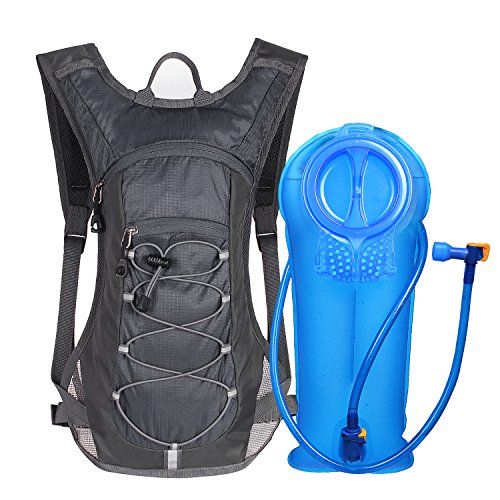
A black diamond hydration pack carries water close to your back so you can drink on the move without stopping to dig through a bag. This guide walks through the six things that matter most: picking the right capacity, sizing the harness, filling and routing the bladder, packing the load, and keeping the system clean. Follow these steps and you should end up with a pack that sits still on the trail and gives you water when you need it.
Choose the Right Capacity and Style
Match the pack to the length of your outings. Short runs and day hikes usually call for a smaller vest-style pack with a reservoir of about 1 to 2 liters, while longer days in heat may need a larger pack that also holds food, layers and a first-aid kit. Check the manufacturer’s listed reservoir capacity and whether the pack includes a dedicated sleeve for the bladder, since that affects how the load sits against your back.
Shopping for one? See our guide: 7 Best Top Rated Running Hydration Packs (2026): Expert Picks.
Size the Harness to Your Torso
Fit matters more than capacity. Measure your torso length from the bony bump at the base of your neck down to the top of your hip bones, then compare that figure with the sizing chart in the product listing. Most packs adjust through a sternum strap and hip belt, so tighten those until the weight sits on your hips rather than your shoulders. A pack that bounces when you jog is almost always too loose or the wrong size.
Fill the Bladder and Route the Hose
- Open the reservoir and fill it with cool water, leaving a little air at the top so the bladder doesn’t leak when it’s tilted.
- Seal the closure tightly. Fold the top over and clip or twist it, depending on the design.
- Slide the bladder into its sleeve with the hose exit facing the correct side for your shoulder.
- Route the drink tube over your shoulder and clip it to a strap so it stays within reach but doesn’t dangle.
- Take a few test sips while standing still to confirm the valve opens and closes cleanly.
Pack the Load for Balance
Put heavier items, such as a spare layer or food, close to your back and centered between your shoulder blades. Keep the bladder itself as close to your spine as the sleeve allows. Lighter gear like a rain shell or snacks can go in the outer pockets, where you can reach them without unloading everything. A balanced load reduces sway and keeps the pack from pulling backward on descents.
Keep the Bladder Clean and Dry
Empty and rinse the reservoir after every use, then hang it open to dry. Trapped moisture is the main cause of odor and mildew. Periodically clean the bladder and tube with a bottle brush or a dedicated cleaning tablet, following the manufacturer’s directions. Store the reservoir unfolded and open so the walls don’t stick together.
Common Mistakes
- Filling the bladder to the brim, which leads to leaks and sloshing.
- Leaving the pack loose, so it bounces and rubs during runs.
- Storing the bladder wet inside the sleeve for days.
- Ignoring the hose after a trip, which can grow residue and affect the taste of your water.
- Packing the heaviest items at the top of the pack, which raises your center of gravity.
Recommended Gear
A bottle brush sized for reservoir openings makes cleaning the bladder and tube much faster. View on Amazon
A cleaning tablet designed for hydration systems helps break down residue inside the hose and bladder. View on Amazon
A replacement bite valve is worth keeping on hand, since it is the part that wears out first on most systems. View on Amazon
FAQ
How much water should I carry in a black diamond hydration pack?
For short outings of an hour or two, one to two liters is often enough. Longer or hotter days call for more, so plan your water based on the route, temperature and how much you typically drink per hour. For another angle, check out Hydration Pack Under Armour: How to Choose and Use One (2026).
How often should I clean the bladder?
Rinse it after every use and do a deeper clean with a brush or tablet every few weeks if you use it regularly. Follow the manufacturer’s guidance for your specific model.
Can I use a hydration pack for running?
Yes, provided the pack fits snugly and the load is balanced. A properly sized vest-style pack keeps weight steady, but test it on short runs before committing to a long route.
Conclusion
A well-fitted black diamond hydration pack puts water within easy reach and keeps your load stable on the move. Choose the right capacity, size the harness carefully, and keep the bladder clean and dry. Check the manufacturer’s sizing and care instructions for your exact model before you head out.
Related reading
- Women's Running Hydration Pack: 3 Best Options for Every Run (2026)
- West Slope Hydration Pack: 4 Best Options Compared (2026)
- Water Buffalo Hydration Pack: 3 Best Options for Trail and Rave Days (2026)
- Uswe Moto Hydro 12l Hydration Pack: 3 Best Options Compared (2026)
Ready to choose one?
About Colin Foster
Colin Foster is part of our editorial team and reviews and edits our backpacks & packing systems guides, checking product details against manufacturer specifications and owner feedback.