By Colin Foster
Updated November 2026
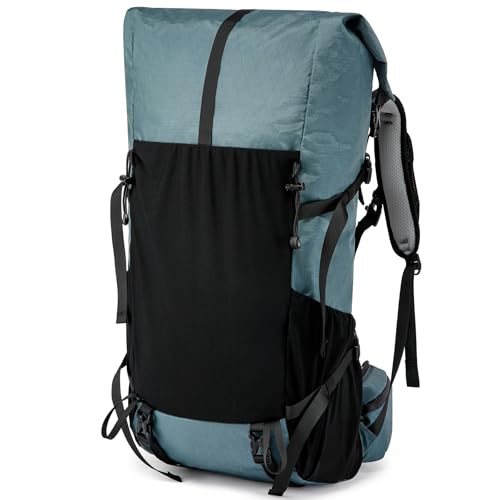
The best hiking backpack 50l for you is the one that fits your torso, carries your real base weight comfortably, and organizes gear the way you pack. A 50-liter capacity suits most multi-night trips in three-season conditions, but the number on the label tells you very little on its own. This guide walks through the factors that decide whether a pack will work on the trail.
Start With Your Base Weight and Trip Length
Before comparing packs, add up the weight of your gear without food, water or fuel. This is your base weight. A typical three- to four-night summer trip for a lightweight hiker often lands somewhere between 10 and 20 pounds of base weight, while a winter or heavier-gear trip can easily push past that. Once you know your number, you can judge whether a 50-liter pack has the volume and frame strength you need. For a deeper look at how frame design affects carrying capacity, see What Makes a Good Hiking Backpack: Fit, Capacity, and Load Support.
Shopping for one? See our guide: 4 Best Osprey 50L Hiking Backpacks Compared for Trail Use (2026).
Check the Torso Fit First
Torso length matters more than the pack’s volume or brand name. Measure from the bony bump at the base of your neck (C7 vertebra) down to the top of your hip bones, then choose a pack sized to that range. Most manufacturers list sizes by torso length, so a pack that is too long will sit on your hips awkwardly and a pack that is too short will push the load onto your shoulders.
- Stand with a loaded pack (about 20 pounds) and check that the hip belt rests on your iliac crest.
- Shoulder straps should wrap your upper chest without gaps or pressure points.
- Adjust the load lifters so the top of the pack sits close to your shoulders, not hanging behind you.
Evaluate Load Support and Frame Design
A 50-liter pack loaded to 30 or 35 pounds needs a hip belt that carries most of that weight. Look for padded hip belts with a stiff frame, whether internal aluminum stays or a sheet of HDPE plastic. Lighter packs often use thinner padding and fewer frame elements, which saves weight but reduces comfort when the pack is heavy. Owners of ultralight designs often report that they work well under light loads but feel unstable above about 25 pounds.
Plan Your Packing System
Organization decides how quickly you can reach rain gear, water or a headlamp at camp. Use a three-zone approach: heavy items close to your back and centered over your hips, bulky sleeping gear at the bottom, and frequently used items in the top lid or side pockets. Compression straps help keep a partly filled pack from shifting. For packing cube strategies that work well with a top-loading pack, the guide to Best Backpack for Hiking Camping: 6 Factors and Picks That Work (2026) covers layout in more detail.
Packing Checklist
- Weigh your base gear and confirm it fits within your target load.
- Place sleeping bag or quilt in the bottom compartment.
- Add soft, lightweight items (clothing, shelter) along the back panel.
- Put food and heavier cooking gear close to the center of your back.
- Keep water, snacks, rain shell and map in the lid or side pockets.
- Test the pack with a short walk and adjust straps before the trip.
Common Mistakes
- Buying by liter count alone without checking torso length.
- Packing heavy items at the bottom, which pulls the center of gravity down and back.
- Skipping a load test with real weight in the pack.
- Overpacking a 50-liter pack for a short trip, which leads to shoulder fatigue.
- Ignoring the hip belt; a pack that rests on your shoulders will tire you faster.
Recommended Gear
A reliable pack liner or rain cover helps keep gear dry if the weather turns, and many 50-liter packs do not include one. View on Amazon
Packing cubes make it easier to separate clothing, food and sleeping gear inside a large pack. View on Amazon
A compact trekking towel or quick-dry towel is useful for drying the pack’s back panel and gear after rain. View on Amazon
FAQ
Is 50 liters enough for a week-long hike?
For most three-season hikers, a 50-liter pack can handle a week if you use lightweight gear and buy food along the way. Heavier winter setups or carrying a full resupply usually call for a larger pack.
How much should a 50-liter pack weigh when loaded?
Many hikers aim to keep a loaded 50-liter pack under about 30 pounds for comfort, though this depends on body size and fitness. Frame design and hip belt quality affect how heavy a load feels.
Should I get a pack with an internal or external frame?
Internal frames are the standard choice for most trail use because they keep the load close to your body and handle uneven terrain well. External frames are less common today and mainly suit heavy loads on established trails.
Conclusion
The best hiking backpack 50l is the one matched to your torso length, your base weight and your packing style. Measure before you buy, test the pack with real weight, and organize gear so the heaviest items stay close to your back. If you have a health condition affecting your back or shoulders, consult a physical therapist or medical professional before choosing a heavy load.
Related reading
- Ultra Lightweight Hiking Backpack Picks: 5 Best Options Compared (2026)
- Top 7 Ladies Small Hiking Backpack Picks for Every Trip
- Top 4 Day Hiking Backpacks with Hydration Picks for Trail Days
Ready to choose one?
About Colin Foster
Colin Foster is part of our editorial team and reviews and edits our backpacks & packing systems guides, checking product details against manufacturer specifications and owner feedback.