By Colin Foster
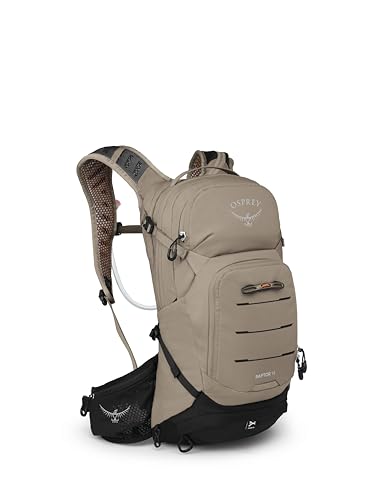
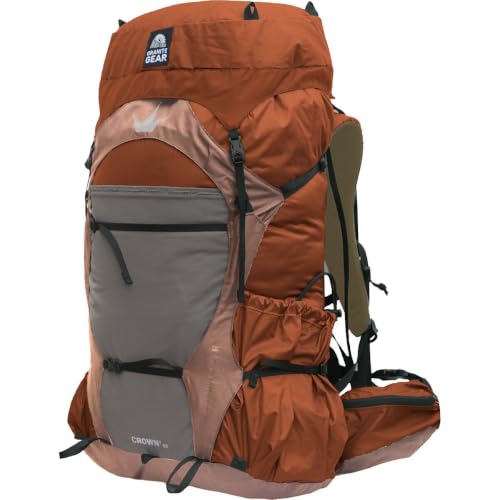
A 30 liter hiking backpack sits in the sweet spot between a minimalist daypack and a full overnight pack. In this guide, you will learn what a 30 liter hiking backpack can realistically carry, how to match its volume to your trip length, how to pack it so the weight rides comfortably, and which mistakes cost hikers the most comfort. By the end, you should be able to decide whether this size fits your hiking style and how to load it properly.
What 30 Liters Actually Holds
Pack volume is measured in liters, which tells you how much space the main compartment and any integrated pockets provide. A 30 liter pack is roughly 1,830 cubic inches. In practical terms, that is enough room for a warm layer, rain shell, water, a first-aid kit, snacks, a headlamp, and a phone for a full-day hike. It can also stretch to a fast overnight trip if you are disciplined about your sleep system.
Shopping for one? See our guide: 4 Best Hiking Backpack Women's (2026): Expert Picks.
Manufacturers often list volume for the main compartment separately from total volume, which can include external pockets or a removable lid. Read the specification carefully. A pack listed at 30 liters with a stretch-mesh pocket may behave more like 27 liters when fully loaded, while a pack with a roll-top closure can grow when you need extra space.
Where the Volume Goes
Most of a 30 liter pack’s usable space gets consumed by three things: insulation, food, and water. A synthetic puffy jacket can take up a surprising amount of room, and a three-liter hydration reservoir can add a bulky lump in the main compartment. Keep that in mind when you compare packs, because two bags with identical volume can feel very different depending on their shape and internal frame.
Matching a 30 Liter Pack to Your Trip Length
The right volume depends on how long you plan to be out and how much gear you are willing to carry. Use the table below as a starting point, then adjust based on your personal habits and the climate you hike in.
| Trip type | Typical duration | How well a 30 liter pack fits |
|---|---|---|
| Half-day or full-day hike | 4 to 10 hours | Excellent. Plenty of room for layers, water, and food. |
| Summer day hike with camp gear for a picnic | 6 to 12 hours | Very good. Keep extras lean. |
| Single overnight, mild weather | 1 night | Workable with a compact sleep system and ultralight kit. |
| Two nights or more | 2+ nights | Usually too tight unless you are very minimal or have a food-drop plan. |
| Winter or cold-weather trips | Any | Often too small for bulky insulation and extra layers. |
Day Hikes
For day hikes, a 30 liter pack is often more than you need. Many hikers carry only 15 to 20 liters for a standard day, but the extra room is useful when you add a rain shell, a second layer, or extra water for a hot route with few sources. Choose a pack in this size if your hikes are long, remote, or unpredictable in weather.
Overnight Trips
A 30 liter pack can handle one night if your sleep system is compact. A three-season tent, a sleeping bag rated for mild temperatures, a sleeping pad, a stove, fuel, and a food bag all need to fit alongside clothing and water. If your sleeping bag compresses to a small size and your tent weighs under two kilograms, the setup becomes realistic. Anything bulkier will push you toward a larger pack.
Step-by-Step: Packing a 30 Liter Hiking Backpack
Good packing is about balance and access, not just fitting everything in. Follow these steps to load your pack so the weight sits close to your back and stays stable on uneven ground.
Step 1: Set Up Your Pack Fit First
Before you load anything, adjust the torso length and hip belt. The hip belt should rest on the top of your iliac crest, and the shoulder straps should sit flat without gaps. A pack that does not fit will feel heavy regardless of how well you load it.
Step 2: Line the Main Compartment
Place a lightweight item such as a sleeping bag or a soft layer against the back panel. This keeps heavier items from pressing directly into your spine. Use a waterproof liner or a trash compactor bag inside if the pack is not fully waterproof, especially for overnight trips.
Step 3: Place Heavy Items Near Your Back and Center
Put dense items such as food, stove, and water near the middle of the pack, close to your back and between your shoulder blades. Lighter, bulky items such as a sleeping bag go toward the bottom or sides. Avoid placing heavy gear at the very top, since it pulls your center of gravity backward and makes the pack swing.
Step 4: Use Compression and Packing Cubes
Compression straps keep a half-empty pack from shifting. Packing cubes help you organize clothing and separate items you need quickly, such as a rain shell or snacks. Keep cubes slim so they do not add unnecessary bulk.
Step 5: Keep Frequently Used Items Accessible
Store water, a snack, a headlamp, a map, and a first-aid kit in external pockets or the top lid. You should never need to unpack the main compartment to reach the rain shell or your phone during a sudden shower.
Step 6: Check the Balance
Lift the pack and walk for a few minutes around the house or on a short trail loop. If it pulls to one side, shift items side to side. If it bounces, tighten the compression straps. Small adjustments here make a large difference over a full day of hiking.
Checklist: Gear Commonly Carried in a 30 Liter Pack
- Lightweight rain shell and warm midlayer
- Water reservoir or two bottles totaling at least one liter for a day hike
- Water filter or treatment tablets when refilling from natural sources
- Headlamp with spare batteries
- First-aid kit and blister care supplies
- Map, compass or offline navigation app
- Food for the planned trip plus one extra day of emergency rations
- Sun protection: hat, sunglasses, sunscreen
- Emergency shelter and fire starter
For overnight trips, add a compact sleep system, a stove and fuel, and a food storage method appropriate to the area you are hiking. Check local regulations, since some regions require specific food storage or bear canisters. Consult land management agency guidance before you go.
Common Mistakes When Using a 30 Liter Pack
- Buying for the best-case trip. Choose a pack for the trips you actually take most often, not the rare multi-day trek you hope to do someday.
- Ignoring torso length. A correct fit matters more than volume. A 30 liter pack that fits well will carry better than a larger one that does not.
- Overpacking the lid. Heavy items on top shift the load and strain your shoulders.
- Skipping a test load. Walk with your fully loaded pack before the trip to catch balance and fit issues early.
- Assuming “30 liters” means the same everywhere. Compare packs by main compartment volume and by how the lid and pockets change total capacity.
Tips for Getting More From a 30 Liter Hiking Backpack
Keep a dedicated pack liner in the main compartment so wet gear does not soak your clothing. Use a small stuff sack for your sleeping bag to save room. Store trash in a sealed bag in an outer pocket to keep the interior clean and to limit odor on longer hikes. If you frequently hike in wet regions, a waterproof or water-resistant pack with taped seams can save you from soggy layers, and a closer look at options like the 9 Best North Face Waterproof Daypack Options for Wet Weather Hiking can help you compare features.
Recommended Gear
- Osprey Talon 33: A popular pack in a similar size range, known for its adjustable back system and ventilated suspension. View on Amazon
- Gregory Zulu 30: A well-regarded option for day and overnight use with a comfortable hip belt. View on Amazon
- Sea to Summit Ultra-Sil Dry Day Pack: A lightweight waterproof sack useful as a pack liner or a rain-protected inner bag. View on Amazon
- Sea to Summit Ultra-Sil Compression Dry Bag: Helps reduce bulk for sleeping bags and insulation layers in a 30 liter pack. View on Amazon
FAQ
Is a 30 liter hiking backpack big enough for overnight trips?
It can be, if your sleep system is compact and your food and clothing are lean. Most people find it workable for a single night in mild weather. Two nights or cold-weather trips usually call for a larger pack.
How much weight can a 30 liter pack carry comfortably?
Many hikers keep loads in the range of 10 to 15 kilograms in packs of this size, but comfort depends on the frame, the hip belt, and your fitness. Check the manufacturer’s stated load rating and stay within it.
Should I choose a 30 liter pack or a 40 liter pack?
Choose 30 liters if your trips are mostly day hikes or single nights and you value a lighter, more compact setup. Choose 40 liters or more if you regularly carry bulkier gear, cold-weather layers, or plan multi-day routes.
Does a 30 liter backpack need a frame?
Many 30 liter packs have a lightweight internal frame or a framesheet that improves load transfer to the hips. Frameless designs work for light loads but feel less stable as weight increases.
Can I use a 30 liter pack for travel?
Yes, though many travelers prefer packs with a front-access zipper and more organized pockets. A hiking pack works well for trips where you are on trails and need to carry your own gear comfortably.
How do I know if the pack fits me?
Measure your torso length from the bony bump at the base of your neck to the top of your hip bones. Many brands offer multiple torso sizes. Try the pack loaded, ideally in a store or with a load of similar weight at home, and check that the hip belt carries most of the weight.
Is a waterproof 30 liter pack necessary?
Not always. A water-resistant pack with a rain cover handles most conditions, but for wet climates or water crossings, a waterproof pack or an internal dry bag protects your gear better.
Conclusion
A 30 liter hiking backpack is a versatile choice for day hikes and single overnight trips when your gear is lean and well organized. Match the volume to your typical trip, fit the pack to your torso before loading it, and pack heavy items close to your back and center. With a good fit and a sensible load, the pack will feel stable on long days and manageable on the trail.
Related reading
- Waterproof Backpack for Hiking: How to Choose One That Keeps Gear Dry
- Water Resistant Hiking Backpack: How to Choose One That Keeps Gear Dry
- North Face Backpack Hiking: How to Pick the Right Pack in 6 Steps
- Camera and Hiking Backpack: How to Choose One That Protects Your Gear
- Best Photography Backpack for Hiking: 7 Factors and Packing Tips
Ready to choose one?
About Colin Foster
Colin Foster is part of our editorial team and reviews and edits our backpacks & packing systems guides, checking product details against manufacturer specifications and owner feedback.