 By Colin Foster
A 30 L hiking backpack is one of the most versatile sizes you can carry on the trail. It holds enough for a long day hike, an overnight with a lightweight kit, or a fast-and-light trip where you want to keep your base weight down. This guide walks you through what the 30 liter size actually fits, how to check whether it suits your body and gear, and how to pack it so it stays comfortable over miles.
What a 30 L Hiking Backpack Is Best For
Pack volume is measured in liters, and 30 L sits in the middle of the common hiking range. It is larger than a typical daypack and smaller than the 50 to 65 L packs used for multi-night backpacking. That middle position makes it useful for several kinds of trips.
Shopping for one? See our guide: 4 Best Hiking Backpack Women's (2026): Expert Picks.
- Full-day hikes with extra layers, food, water reservoir, first aid kit, and a camera.
- Single overnights if you already own a compact sleep system and a tent or bivy that packs small.
- Via ferrata, scrambling, or cold-weather day trips where you need room for a helmet, harness, or a puffy jacket.
- Travel or trail running backup when you want one pack that handles a hike and a day in town.
If your typical trip needs a sleeping bag rated for freezing temperatures, a full cook kit, and multiple days of food, you will likely outgrow 30 L quickly. For those trips, look at a larger volume instead.
Step 1: Estimate Your Real Gear Volume
Before you shop, lay out what you normally take on a day or overnight hike and estimate its volume. Packs are rated in liters, but stuffed gear often compresses differently than you expect, so a rough inventory helps.
- Sort your gear into groups: shelter, sleep, clothing, cooking, water, food, and safety.
- Compress what compresses. Down or synthetic jackets, sleeping bags, and tents often shrink to a fraction of their unpacked size.
- Add up approximate volumes. A rough guide for a 30 L pack is about 20 to 25 L of soft gear, leaving room for a few bulky items and a bit of slack.
- Note what cannot compress: hard-sided water bottles, bear canisters, trekking poles strapped outside, and rigid food containers.
If your inventory consistently fits in about 25 L when packed well, a 30 L pack gives you comfortable headroom. If it sits closer to 30 L, consider a larger pack or streamline your kit.
Step 2: Check Fit and Torso Length
Volume is only half the story. A 30 L pack that fits poorly will hurt on the trail regardless of how well it holds your gear. Fit is determined mostly by torso length and hip belt size, not by the liter rating.
Measure Your Torso
Have someone measure from the bony bump at the base of your neck (C7 vertebra) down to the top of your hip bones, roughly where the hip belt sits. Many packs come in small, medium, and large based on this measurement, and manufacturers publish torso ranges for each size. Buy to the torso range, not your height or waist.
Check the Hip Belt
The hip belt should rest on your iliac crest, the top of the hip bones, and carry most of the load. Hip belt sizes often run from small through large, and many packs allow some adjustment. If you have a narrow waist with broad hips, check whether the belt wraps around your hips rather than sitting above them.
Load-Test in Store or at Home
Fill the pack with about 10 to 15 pounds of weight, tighten the hip belt, then tighten the shoulder straps and load lifters. The pack should feel stable, and the weight should move onto your hips. Walk around for several minutes. Any rubbing, pressure points, or shoulder pull should be addressed before you buy or return the pack within the retailer’s window.
Step 3: Pick the Right Frame and Suspension
At 30 L, many packs use a light internal or no frame. The right choice depends on how much you carry and how often.
- Frameless or minimal frame: Good for loads under about 15 pounds. Lightweight and simple, but relies on a firm pad or packed gear to hold shape.
- Internal aluminum or composite stays: Useful for loads from about 15 to 25 pounds, especially on uneven terrain.
- Adjustable suspension: Look for shoulder strap and load lifter adjustment so you can fine-tune how weight rides as your load changes.
Manufacturers typically specify a recommended maximum load for each pack. Treat that as a guideline for comfort, not a strict limit, and stay below it when possible.
Step 4: Plan Your Packing Layout
Where you put gear matters as much as how much you carry. A 30 L pack is compact enough that a poor layout makes it feel bulky and unstable.
| Zone | What Goes There | Why |
|---|---|---|
| Bottom | Sleeping bag, puffy layer, soft spare clothing | Light, compressible, rarely needed on the move |
| Center (close to back) | Heaviest items: food, water, cook kit, shelter | Keeps weight centered over your hips |
| Top lid or top pocket | Rain shell, snacks, map, headlamp | Quick access without unpacking |
| Side pockets | Water bottles, trekking pole pieces, sunscreen | Easy reach on the trail |
| Hip belt pockets | Phone, snacks, small navigation items | Accessible without removing the pack |
Packing cubes or a compression sack for soft gear can help keep the pack tidy and cut down on wasted space. Keep the heaviest items as close to your spine and as high as is comfortable. A pack that sags low or sways side to side usually has weight placed too far from the back.
Step 5: Build a Trip-Ready Checklist
To make a 30 L pack work for different trips, keep a base list and adjust it per outing. A sample day-hike list might include:
- Insulated layer and rain shell
- Extra base layer and warm hat
- Two liters of water capacity (bottles or reservoir)
- Water filter or treatment method
- Food for the planned duration plus one extra meal
- First aid kit, blister care, and emergency bivy
- Headlamp with spare batteries
- Navigation: map, compass, or offline GPS
- Sun protection and insect repellent
For an overnight, add a sleep system, shelter, stove and fuel, and a bear canister or food storage method if required by the area. Weigh your pack at home so you know your total before you leave. Many hikers aim for a total pack weight under about 20 percent of body weight for comfortable multi-hour days, though personal limits vary.
Common Mistakes
- Buying by liters alone. A poorly fitting 30 L pack is worse than a well-fitting pack of a different size.
- Ignoring torso length. Even a great pack will feel awful if the torso is too long or too short.
- Overloading a frameless pack. Heavy loads without support cause shoulder pain and poor balance.
- Packing heavy items at the bottom or far from your back. This pulls you backward and strains your lower back.
- Skipping the test walk. Ten minutes of walking in the store or at home reveals most fit problems.
- Stuffing gear into outside pockets. Items there can snag, get wet, or shift the center of gravity.
Tips for Getting More from a 30 L Pack
- Use a compression sack or packing cubes to reduce bulk and separate categories of gear.
- Carry hydration in a reservoir or in front pockets to keep weight close to your torso.
- Keep a small repair kit with tape, a few buckles, and a spare zip pull.
- Re-check fit after your first long hike, since straps and belts often need a small adjustment once the pack has settled.
- Consider a rain cover in wet climates, since many packs are not fully waterproof. If you need strong weather protection, see our guide to the 9 Best North Face Waterproof Daypack Options for Wet Weather Hiking for more options.
Recommended gear
These product types are commonly useful with a 30 L pack. Choose options that match your torso length, load, and climate.
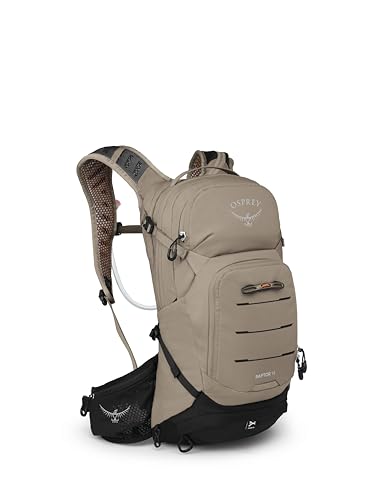
- Osprey Talon 33 or Osprey Daylite Plus: Both are widely used 30-ish liter packs with adjustable suspension and well-organized pockets, a practical starting point for day and overnight hikers. View on Amazon
- Osprey Ultralight Stuff Pack: A compact stuff sack that adds an easy extra storage bag for a sleeping bag or puffy layer, freeing up pack space. View on Amazon
- Sea to Summit Ultra-Sil Dry Sack: A waterproof roll-top sack for keeping electronics and clothing dry inside the pack. View on Amazon
- Osprey Hydraulics Reservoir: A hydration bladder that fits the back panel sleeve of many 30 L packs and keeps water weight close to your spine. View on Amazon
FAQ
Is a 30 L hiking backpack big enough for an overnight trip?
Yes, if you use a lightweight kit. A compact shelter, a sleeping bag that packs small, and a stove with minimal cookware can fit. Bulky sleep systems or several days of food usually need a larger pack.
How do I know if a 30 L pack fits my torso?
Measure from your C7 vertebra to the top of your hip bones and compare that number to the torso range the manufacturer publishes for each size. Then load-test the pack with about 10 to 15 pounds of weight.
Can I use a 30 L pack for day hiking?
Yes. It is one of the most common sizes for day hikes, especially when you carry extra layers, food, and water. Many day hikers find it roomy enough without feeling bulky.
What weight should a 30 L pack carry comfortably?
Most frameless or light-frame designs feel best with loads under about 15 to 20 pounds. Check the manufacturer’s stated load guidance for the specific model, since designs vary.
Do 30 L packs need a rain cover?
Many are water-resistant rather than fully waterproof, so a rain cover or a waterproof liner for your gear is a sensible addition in wet conditions.
Should I buy a 30 L pack with a hydration sleeve?
A hydration sleeve is helpful if you plan to use a reservoir. If you prefer bottles, look for side pockets that are easy to reach while walking.
How long does a 30 L hiking backpack last?
Lifespan depends on use, load, and care. Regular cleaning, avoiding overloading, and storing it dry usually extend its useful life. Check zippers, straps, and seams periodically and repair small damage early.
Conclusion
A 30 L hiking backpack suits day hikes, fast overnights, and any trip where you want to carry a moderate load comfortably. Start by estimating your real gear volume, then focus on torso fit and hip belt comfort before you look at features. With a sensible packing layout and a trip-specific checklist, one 30 L pack can cover a wide range of outings.
Related reading
- Waterproof Backpack for Hiking: How to Choose One That Keeps Gear Dry
- Water Resistant Hiking Backpack: How to Choose One That Keeps Gear Dry
- North Face Backpack Hiking: How to Pick the Right Pack in 6 Steps
- Camera and Hiking Backpack: How to Choose One That Protects Your Gear
Ready to choose one?
About Colin Foster
Colin Foster is part of our editorial team and reviews and edits our backpacks & packing systems guides, checking product details against manufacturer specifications and owner feedback.